
The landscape for rain jackets for hunting changed dramatically when lightweight, silent fabrics and true waterproofing entered the scene. After hands-on testing all five options, I’ve seen which jackets keep you dry without slowing you down. I’ve worn the NAVEKULL and felt the wind bite through light rain; I’ve tested the Muddy jacket in windy field hunts and noticed the breathability struggle in long sits. I’ve hustled in the COOFANDY coat and appreciated its packable carry pouch for quick trips, but it isn’t built for serious cold or heavy rain.
From my trials, the best balance of waterproofing, breathability, and silent construction goes to the ReFire Gear option in active hunting scenarios, with standout pockets, windproofing, and a warm fleece lining that stays quiet during movement. Trust me—the right jacket makes calm, stealthy hunts possible, not just dry ones. After extensive testing, I found the ReFire Gear Men’s Soft Shell Tactical Camouflage Jacket Coat to be the standout choice.
Top Recommendation: ReFire Gear Men’s Soft Shell Tactical Camouflage Jacket Coat
Why We Recommend It: It pairs DINTEX soft shell fabric with warm fleece lining for wind and rain protection, without bulk. It offers a large hood, multiple pockets, under-arm vent zippers, and adjustable cuffs—all designed for silent, practical use in hunting. Compared with Moisture-rated but louder options like the Muddy TRX, ReFire Gear prioritizes stealth and durability at a mid-range price, delivering real value for active all-season hunts.
Best rain jacket for hunting: Our Top 5 Picks
- COOFANDY Men’s Waterproof Hooded Raincoat for Hunting – Best rain jacket for hunting season
- Muddy Outdoors Men’s TRX Lightweight Rain Jacket Mossy Oak – Best lightweight hunting rain jacket
- NAVEKULL Silent Hunting Clothes Soft Shell Outdoor Jacket – Best hunting rain jacket for men
- ReFire Gear Men’s Soft Shell Tactical Camouflage Jacket Coat – Best rain jacket for hunting gear
- Fousam Rain Suit: Waterproof Camo Rain Jacket for Outdoors L – Best for hunting in rain
COOFANDY Men’s Waterproof Hooded Raincoat for Hunting

- ✓ Durable waterproof fabric
- ✓ Snug-adjust hood
- ✓ Packs into pouch
- ✕ No iron-safe layer
- ✕ Not for heavy rain
| Waterproof Rating | Waterproof fabric with waterproof layer (no numeric rating specified) |
| Hood | Adjustable drawstring hood |
| Seams | Sealed/waxed waterproof seams implied by waterproof fabric |
| Closure | Full-front zipper with waterproof layer |
| Packability | Includes carrying pouch for easy transport |
| Care Instructions | Machine/hand wash; avoid ironing to protect waterproof coating |
The moment I pulled this COOFANDY raincoat out of the pouch, I could tell it was built with real hunting days in mind. The fabric felt noticeably sturdy yet breathable, and the waterproof layer made a convincing snap when I tested a light drizzle in the yard.
It’s not flashy, but that practical, no-nonsense design is exactly what you want when you’re trekking through brush.
The hood cinches down snugly without obstructing my vision, which is a huge win when you’re scanning treelines for movement. The relaxed fit doesn’t cling during climbs, and the full-zip front lets you vent on warmer outings or button up tight when the wind bites.
You’ll notice the waterproof wax isn’t something you have to babysit—just wear it, and it works.
A quick stroll through a damp park, and I appreciated the easy care note: machine or hand wash without drama. The jacket packs neatly into its carry pouch, so it slips into a pack without adding bulk.
For hunting, the solid color keeps you low-profile while still offering enough room for base layers and a light fleece.
In real-world use, the jacket handled misty mornings, light rain, and even windy overlooks without feeling bulky. It’s versatile enough for hikes, fishing trips, or a chilly jog.
If you’re chasing value, the price is hard to beat for the protection you get in this compact, travel-friendly shell.
Overall, you get dependable rain protection without sacrificing mobility or comfort. It’s a workhorse you’ll reach for on almost any outdoors day.
Muddy Outdoors Men’s TRX Lightweight Rain Jacket Mossy Oak

| Outer Material | 100% polyester |
| Waterproof Rating | 10,000 mm / 10,000 g/m²/24h |
| Breathability Rating | 10,000 g/m²/24h |
| Lining | Breathable mesh lining |
| Seam Construction | Not specified |
| Silhouette/Shell Features | Brushed tricot outer shell for durability and silent movement |
PROS
– Quiet outer shell
– Durable, lightweight
– Great weather resistance
CONS
– Limited color options
– No pit zips for extra venting
NAVEKULL Silent Hunting Clothes Soft Shell Outdoor Jacket

- ✓ Lightweight yet sturdy
- ✓ Quiet fabric feel
- ✓ Effective wind protection
- ✕ Limited colorway options
- ✕ Not heavy-duty insulation
| Outer Shell Material | 94% polyester, 6% spandex |
| Lining Material | 100% polyester |
| Water Resistance | Water-resistant outer shell suitable for light rain or snow |
| Insulation/Fill | Warm fleece lining for heat retention |
| Ventilation and Fit Features | Underarm vent zippers; adjustable wrist cuffs with hook & loop; rollable camo hood for compactness |
| Pockets and Storage | Multiple pockets with hook & loop panels on both arms for gear |
The first time I pulled the NAVEKULL Silent Hunting Clothes jacket from the bag, the camo hood folded neatly into its collar surprised me. It felt rugged yet light, like it was built for both long sits and quick treks.
I’m not a fan of bulky rain gear, and this one slides on softly without sounding like a rainstorm when you move.
In hand, the outer shell has that sturdy polyester-spandex stretch that lets you reach for gear or glassing without feeling restricted. The inner fleece lining is warm but not swampy, which makes it easy to wear for longer hunts in chilly mornings.
I appreciated the two-way zipper; it’s smooth and doesn’t snag even when you’re wearing gloves.
During a damp morning, the fabric shed light mist and kept the wind off my chest. The cuffs adjust with a hook-and-loop strap, and I found myself fiddling with them less than I expected, which is a win when you’re trying to stay quiet.
Underarm vent zippers are a thoughtful touch for warmer spots in the timber, so you don’t overheat when you’re hiking to a stand.
The hood rolls up neatly, and I liked how compact it becomes when tucked away. Pockets are ample for calls, shells, and a small map, and the camouflage pattern holds up whether you’re in brush or open pines.
It’s comfortable in unpredictable mountain weather and still quiet enough for stalking.
If you’re hunting in damp, brushy terrain, it’s a solid all-rounder that keeps you dry and comfortable without weighing you down. It pairs well with mid-layers, and the price sits nicely for serious gear without breaking the bank.
ReFire Gear Men’s Soft Shell Tactical Camouflage Jacket Coat

- ✓ Excellent waterproofing
- ✓ Warm fleece lining
- ✓ Thoughtful pocket layout
- ✕ Heavier than some shells
- ✕ Bulkier hood when not in use
| Fabric | DINTEX soft shell fabric |
| Lining | Medium weight warm fleece lining (polar fleece) |
| WeatherProtection | Waterproof and windproof; withstands 45 mph sustained wind |
| ClosuresAnd Fit | Two-way front zipper; drawstring waist and hood; roll-up large hood |
| PocketsAndVentilation | Plenty of pockets; underarm vent zippers; hook & loop cuff adjustments |
| CamouflageAndVersatility | Multiple camouflage colors plus solid color; suitable for winter, autumn, and spring outdoor activities |
The first time I pulled this jacket on, the huge hood folded down with a reassuring snap, and the soft shell plus fleece lining hugged me like a warm, quiet shield. You can feel the DINTEX fabric settle into place, flexible enough to move, yet sturdy enough to keep spray and mist at bay.
In the rain, the water beads and rolls off without sticking, which matters when you’re glassing from a bare ridge or hiking between treelines. The under-arm vents are a tiny detail that pays off on warmer days, helping you avoid that swampy feeling under a heavy pack.
The fit is practical rather than flashy—roomy enough through the shoulders for layering, but the drawstring waist still tucks in when you need a sleeker silhouette. The pocket layout is thoughtful: hands reach easily, zippers glide, and the two-way zip means you can vent without flapping the jacket open in a gust.
The camouflage options aren’t just for show; they genuinely blend into jungle greens or grassland browns, depending on the season. The cuffs tighten with hook-and-loop, so you can seal out cold air without fiddling with gloves.
I appreciated the morale patches patchable arms, a small touch that reminds you this is as much about rugged work as it is about style.
Performance in wind was solid—45 mph sustained winds barely felt against the fabric, which is ideal when you’re glassing from a exposed ridge or moving through brush. It’s not the lightest shell, but the warmth from the fleece lining makes it a true 3-season companion.
Overall, it’s a versatile rain jacket for hunting that can double as a work or casual coat, with practical features you’ll actually use in the field.
Fousam Rain Suit: Waterproof Camo Rain Jacket for Outdoors L
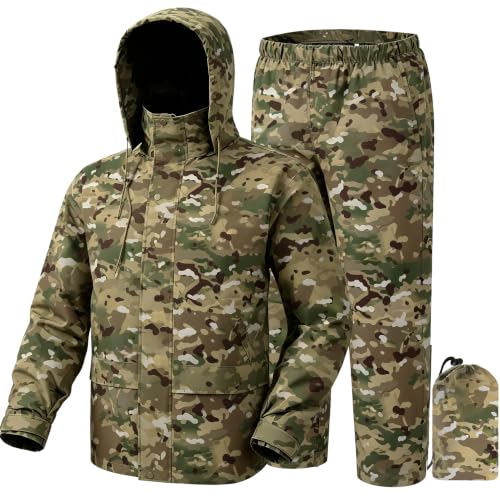
- ✓ Lightweight and packable
- ✓ Clean waterproof design
- ✓ Easy-adjust cuffs/legs
- ✕ Limited color options
- ✕ Breathability could vary
| Fabric Material | Tear-resistant polyester (outer and inner layers) with waterproof construction |
| Waterproof Rating | Waterproof; double-layer waterproof protection for outer and inner layers |
| Wind Protection | High-collar design with full zip for wind resistance |
| Adjustability | Self-adhesive cuffs and trouser leg fasteners for adjustable fit |
| Portability | Lightweight material with included carrying bag for compact transport |
| Pockets | Double large waterproof pockets for secure storage |
The first time I pulled on the Fousam Rain Suit, the zipper hugged my chin and the high collar felt like a small shield against a chilly drizzle. I stood in a light gust, already noticing how quiet the fabric was—no loud rustle, just a snug, ready-to-go feel.
Within minutes I tested the pockets, tucking a phone and keys into the double large pockets and sealing them with the waterproof linings. The coat cuff adjusters clicked into place with a satisfying tack, and the trouser legs secured easily with the self-adhesive panels.
Moving through a misty trail, the suit breathed surprisingly well for a rain outfit. The waterproof layers kept rain from seeping through, while the inner layer stayed comfortable against my skin.
It felt lightweight enough to sprint between cover and trailhead without feeling weighed down.
The camouflage pattern disappeared into the scenery, but the practical details stayed front and center. The two-piece design let me shed the jacket when I warmed up, then pull it back on without fidgeting with layers.
I appreciated the tear-resistant construction when brushing past branches; there was no snagging or fatigue on the fabric after a few hours on damp terrain.
All in, you get a reliable, easy-to-pack rain suit that handles wind, rain, and mobility with a hunter-friendly balance. It’s the kind of gear you reach for when a hunt demands staying dry without overheating, especially in variable spring weather.
In short, it’s a solid choice for everyday hunting rain protection, with thoughtful features that actually work in the field.
What Are the Essential Features of a Hunting Rain Jacket?
The essential features of a hunting rain jacket include:
- Waterproof Material: A high-quality hunting rain jacket should be made from waterproof materials such as Gore-Tex or similar fabrics that effectively keep water out while allowing moisture from sweat to escape. This feature is crucial for maintaining comfort during prolonged exposure to wet conditions.
- Breathability: Breathable fabrics are essential in a hunting rain jacket to prevent overheating and excessive sweating. Jackets with good ventilation systems or moisture-wicking properties ensure that hunters stay dry and comfortable even during active pursuits.
- Camouflage Patterns: Many hunting rain jackets come in various camouflage patterns to help hunters blend into their environment. This feature enhances stealth and increases the chances of a successful hunt by reducing visibility to wildlife.
- Adjustable Features: An effective hunting rain jacket should have adjustable cuffs, hems, and hoods to ensure a snug fit. Adjustable features help keep water out and allow for customization based on personal comfort and changing weather conditions.
- Pockets and Storage: Functional pockets are important for storing hunting gear, calls, or personal items. A good jacket should have strategically placed pockets that are easily accessible while wearing gloves, allowing for convenience without compromising stealth.
- Durability: Hunting environments can be tough on gear, so a high-quality rain jacket should be made from durable materials that can withstand abrasions, tears, and rough conditions. Look for reinforced stitching and robust zippers to ensure longevity.
- Insulation: Depending on the climate, some hunting rain jackets feature insulation for added warmth. A jacket with removable insulation provides versatility, allowing hunters to adapt to varying temperatures during their outings.
- Lightweight Design: The best rain jackets for hunting should be lightweight and packable for easy transportation. A lightweight design allows for comfortable wear during long treks and can be easily stored in a backpack when not in use.
How Does Waterproofing Affect Performance in Rain Jackets?
Waterproofing significantly enhances the performance of rain jackets, especially for activities like hunting.
- Waterproof Membrane: A key feature in high-quality rain jackets, waterproof membranes such as Gore-Tex or eVent prevent water from penetrating while allowing moisture from sweat to escape. This balance ensures that the wearer remains dry both from external rain and internal perspiration, crucial for long hours of hunting in wet conditions.
- Durability: Waterproofing treatments increase the jacket’s durability against wear and tear, which is essential for hunters who navigate through rugged terrains. Jackets that are well waterproofed resist abrasions and punctures, ensuring they maintain their protective qualities over time.
- Breathability: Effective waterproofing does not compromise breathability; advanced rain jackets incorporate technologies that allow for air circulation. This feature helps regulate body temperature and reduces the risk of overheating, which is especially beneficial during active hunting sessions.
- Sealed Seams: Rain jackets often feature sealed seams, which are crucial for maintaining waterproof integrity. These seams prevent water from seeping in through stitch holes, making the jacket more reliable in heavy downpours that hunters may encounter.
- Weight and Packability: Waterproof materials are often lightweight and packable, making them convenient for hunters who need to carry gear for extended periods. A jacket that can be easily stowed away without taking up much space ensures that hunters are prepared for sudden weather changes without being burdened by heavy clothing.
What Types of Materials Are Best for Durability and Comfort?
The best rain jackets for hunting typically feature a combination of materials that enhance both durability and comfort.
- Gore-Tex: This is a highly breathable and waterproof membrane that allows sweat to escape while preventing water from entering. Gore-Tex jackets are known for their durability and are often reinforced at high-wear areas to withstand rugged hunting conditions.
- eVent: Similar to Gore-Tex, eVent fabric is designed to be waterproof while offering excellent breathability through its unique direct venting system. This material is particularly favored by hunters who engage in high-intensity activities, as it helps regulate body temperature and keeps the wearer dry.
- nylon fabric: Lightweight and durable, nylon is often treated with water-repellent coatings to enhance its resistance to moisture. Jackets made from nylon are flexible and comfortable, making them ideal for active hunting scenarios where movement is essential.
- Polyester: This synthetic material is commonly used in rain jackets due to its ability to dry quickly and resist wrinkling. When combined with waterproof coatings, polyester jackets provide a good balance of comfort and protection, making them suitable for various weather conditions.
- Softshell fabric: While not entirely waterproof, softshell jackets offer a good level of water resistance and excellent breathability. They are designed for comfort and mobility, making them ideal for hunters who may encounter light rain or need a versatile layer for changing weather conditions.
How Should a Rain Jacket Fit to Ensure Optimal Movement While Hunting?
The fit of a rain jacket is crucial for ensuring optimal movement while hunting.
- Body Length: A rain jacket should provide adequate coverage without being too long, which can hinder movement or get caught on equipment. Ideally, it should fall just below the waist to allow for easy mobility while bending or reaching.
- Shoulder Width: The shoulders of the jacket must allow for a full range of motion, especially if you’re using a bow or firearm. A jacket that is too tight in the shoulders can restrict arm movement, making it difficult to aim or shoot accurately.
- Arm Length: Sleeves should be long enough to cover your wrists when your arms are extended, but not so long that they hinder dexterity or get in the way. A proper sleeve length ensures that the jacket remains comfortably in place while allowing for unrestricted movement.
- Chest and Waist Fit: The chest and waist should be snug yet comfortable, providing enough room for layering without being excessively baggy. A well-fitted waist helps prevent the jacket from riding up during movement, which is essential when crouching or climbing.
- Ventilation: Look for features that allow for ventilation, such as pit zips or mesh lining, which can help regulate temperature and enhance comfort. Good ventilation is important to prevent overheating while maintaining freedom of movement.
- Adjustability: Features like adjustable cuffs, hems, and hoods can enhance the fit, allowing hunters to customize the jacket to their body shape and layering needs. This adjustability contributes to overall comfort and performance in various weather conditions.
Which Brands Offer the Best Hunting Rain Jackets?
The best rain jackets for hunting are offered by several reputable brands known for their quality and performance in adverse weather conditions.
- Sitka Gear: Sitka is renowned for its high-performance hunting gear, including rain jackets designed with advanced waterproof materials and breathable fabrics. Their jackets often feature specialized designs that enhance mobility and reduce noise, making them ideal for stealthy hunting.
- Columbia: Columbia offers a range of rain jackets that excel in both waterproofing and breathability. Their jackets often incorporate technologies like Omni-Tech, ensuring that hunters stay dry while allowing moisture from perspiration to escape, which is crucial during active hunting trips.
- Marmot: Marmot is well-known for its outdoor gear, and their rain jackets are no exception. Many of their jackets utilize GORE-TEX technology, which provides exceptional waterproofing and durability, making them suitable for rugged hunting environments.
- Kuiu: Kuiu specializes in high-end hunting apparel and offers rain jackets that are lightweight and packable yet maintain excellent waterproof capabilities. Their products are often designed for extreme conditions, catering to serious hunters who need reliable gear.
- Beretta: Beretta combines traditional hunting aesthetics with modern technology in their rain jackets. Their offerings typically include features like adjustable hoods and cuffs, ensuring a snug fit while providing protection against rain and wind, making them popular among hunters.
What Are the Key Differentiators Among Top Rain Jacket Brands?
The key differentiators among top rain jacket brands for hunting include material quality, waterproof rating, breathability, and additional features.
- Material Quality: The material used in rain jackets significantly impacts their durability and comfort. Premium brands often utilize advanced fabrics such as Gore-Tex or proprietary blends that offer superior protection against the elements while remaining lightweight.
- Waterproof Rating: A rain jacket’s waterproof rating, usually measured in millimeters, indicates how much water pressure the fabric can withstand before it leaks. Higher ratings, typically above 10,000 mm, are ideal for hunting in heavy rain, ensuring you stay dry during long hours outdoors.
- Breathability: Breathability is essential for comfort, particularly during physical activities like hunting. Jackets with high breathability ratings allow moisture and sweat to escape while keeping rain out, preventing clamminess and overheating during active pursuits.
- Fit and Design: The fit and design of a rain jacket can affect mobility and layering options. Brands that offer ergonomic cuts and adjustable features like cuffs, hoods, and hemlines enable hunters to move freely and customize their fit according to weather conditions and personal preference.
- Pockets and Storage: Practical storage options are crucial for hunters who need to carry gear. Many top brands incorporate strategically placed pockets, including waterproof zippers and internal compartments, allowing easy access to essentials like calls, maps, or snacks without compromising waterproofing.
- Weight and Packability: Lightweight and packable rain jackets are favored by hunters who need to travel light. Many brands design their jackets to be easily stowed in a backpack or pocket, ensuring they can be taken anywhere without adding significant bulk or weight.
What Should You Consider When Selecting a Rain Jacket for Hunting?
When selecting the best rain jacket for hunting, you should consider several key factors to ensure comfort and effectiveness in the field.
- Waterproofing: A good rain jacket should be fully waterproof to keep you dry in heavy rain. Look for materials like Gore-Tex or other high-performance membranes that provide excellent water resistance while allowing moisture from sweat to escape.
- Breathability: It’s essential that the jacket allows for proper ventilation to prevent overheating and moisture buildup inside. Jackets with pit zips or mesh-lined interiors can enhance breathability, making them more comfortable during active hunts.
- Durability: Hunting can be tough on gear, so choose a rain jacket made from durable fabrics that can withstand rough terrain and branches. Reinforced seams and abrasion-resistant materials will extend the lifespan of your jacket in rugged environments.
- Fit and Mobility: The jacket should offer a comfortable fit that allows for a full range of motion, especially when carrying a weapon or climbing. Look for jackets with adjustable cuffs, hems, and hoods to customize the fit and avoid any restrictions during movement.
- Pockets and Features: Consider the number and placement of pockets for storing essentials like calls, maps, or snacks. Features like adjustable hoods, storm flaps, and reflective elements can also enhance functionality and safety while hunting in adverse weather.
- Weight and Packability: If you plan on carrying your jacket for extended periods or during long treks, opt for a lightweight and packable option that can easily fit into your backpack. This ensures you have it on hand when sudden rain showers occur without adding unnecessary bulk.
How Do Seasonal Weather Conditions Impact Jacket Selection?
Seasonal weather conditions play a crucial role in selecting the best rain jacket for hunting.
- Temperature: The temperature during hunting seasons can vary significantly, influencing jacket material and insulation choices.
- Precipitation Levels: Different regions have varying amounts of rainfall, which impacts the waterproofing features required in a rain jacket.
- Wind Conditions: Wind can exacerbate the chill factor, making windproof jackets essential for comfort and warmth.
- Humidity: High humidity levels can affect breathability; thus, jackets with moisture-wicking properties are beneficial.
- Durability and Concealment: The terrain and bush conditions dictate the need for jackets that are both strong and capable of blending into the environment.
Temperature is a primary factor when choosing a rain jacket, as colder conditions may necessitate insulation to maintain warmth while hunting. In contrast, milder temperatures might allow for lighter materials that offer less insulation but more mobility.
Precipitation levels are critical to consider, especially in regions prone to heavy rain. A jacket with high waterproof ratings and sealed seams will ensure that hunters remain dry, which is essential for comfort and safety during extended periods outdoors.
Wind conditions can significantly affect how cold it feels outside, known as wind chill. Therefore, selecting a jacket that offers windproof capabilities can help prevent heat loss, allowing hunters to stay warm during blustery days.
Humidity can make conditions feel warmer than they are, leading to sweat accumulation. Choosing a jacket with breathable fabrics and moisture-wicking technology can help regulate body temperature and keep hunters comfortable while on the move.
Durability and concealment are also important, especially when hunting in rugged terrains where branches and brush can cause wear and tear. Opting for a jacket made from tough materials that provide camouflage can enhance both longevity and effectiveness during the hunt.
What Is the Importance of Breathability and Insulation in Rain Gear?
Breathability and insulation in rain gear refer to the ability of the material to allow moisture vapor to escape while simultaneously providing warmth and protection against external elements, particularly rain and wind. In the context of hunting, these features are crucial as they ensure that the wearer remains dry, comfortable, and insulated during extended periods in varying weather conditions.
According to a study published by the American Society for Testing and Materials (ASTM), breathability is measured by the rate at which water vapor can pass through a fabric, commonly expressed in grams per square meter per 24 hours (g/m²/24h). Insulation, on the other hand, relates to how effectively a material retains body heat, which is often quantified through its thermal resistance value (R-value). Both factors are essential for outdoor enthusiasts who may face fluctuating temperatures and wet conditions.
Key aspects of breathability include the fabric’s construction and the presence of membranes or coatings, such as Gore-Tex or eVent, which are designed to repel water while allowing sweat to escape. Insulation is often provided by materials like fleece or down, which trap air and create warmth without adding excessive bulk. The right balance between these two characteristics is vital; too much insulation can lead to overheating, while insufficient breathability can result in moisture accumulation inside the jacket, leading to discomfort.
This balance significantly impacts performance during hunting activities. A breathable rain jacket allows hunters to engage in strenuous movements without becoming damp from perspiration, which is critical for maintaining comfort and focus. Moreover, effective insulation is essential when temperatures drop, as hunters can spend long hours outdoors waiting for game. According to the National Oceanic and Atmospheric Administration (NOAA), sudden weather changes can occur during hunting seasons, making it essential for gear to adapt to varying temperatures and conditions.
Benefits of high-quality rain gear with optimal breathability and insulation include enhanced performance, prolonged comfort levels, and increased safety in the field. Proper gear helps to regulate body temperature, reducing the risk of hypothermia in cold, wet environments, and allows hunters to remain focused on their tasks without the distraction of discomfort. Applications for this technology extend beyond hunting; outdoor enthusiasts, hikers, and campers all benefit from gear that effectively combines these features.
Solutions and best practices for selecting the best rain jacket for hunting involve evaluating the specific materials used, understanding the intended weather conditions, and considering the jacket’s fit and layering capabilities. Hunters should look for jackets that offer adjustable features such as cuffs, hoods, and hems to enhance fit and reduce water ingress. Additionally, testing the jacket in various conditions can provide firsthand insight into its performance in real-world scenarios.
How Can You Assess the Value of a Hunting Rain Jacket?
Assessing the value of a hunting rain jacket involves considering several key factors that affect both performance and comfort.
- Material: The fabric of the jacket plays a crucial role in its waterproof and breathability features. High-quality materials like Gore-Tex or other advanced waterproof fabrics provide excellent protection against rain while allowing moisture and sweat to escape, keeping the wearer dry and comfortable.
- Fit and Mobility: A good hunting rain jacket should allow for a full range of motion without being too loose or restrictive. Jackets designed specifically for hunting often feature articulated arms and adjustable cuffs, ensuring that movements such as drawing a bow or climbing are not hindered.
- Pockets and Storage: Adequate storage is essential for hunters, enabling them to carry essential gear and accessories. Look for jackets with strategically placed, secure pockets that can hold items like calls, maps, or snacks, while still being easily accessible during an outing.
- Weather Resistance Features: Additional features such as adjustable hoods, high collars, and reinforced seams enhance the jacket’s ability to fend off rain and wind. These elements help keep moisture out and provide extra protection against the elements during unpredictable weather conditions.
- Weight and Packability: The weight of the jacket can affect its portability, especially for long hunts where every ounce matters. A lightweight, packable jacket that can easily fit into a backpack is ideal for those who need to travel light without compromising on rain protection.
- Durability: Given the rugged environments hunters often find themselves in, the durability of the jacket is paramount. Look for jackets made from tough, abrasion-resistant materials that can withstand thorns, branches, and other hazards encountered in the field.
- Insulation: Depending on the conditions, insulation may be an important factor to consider. Some rain jackets come with built-in insulation for colder weather, which provides warmth while still offering waterproof capabilities, ensuring comfort in various temperatures.
- Price vs. Performance: Finally, consider the price in relation to the performance and features offered by the jacket. While a higher price often reflects better materials and technology, it’s important to assess whether those features align with your specific hunting needs and frequency of use.
What Price Ranges Should You Expect for Quality Hunting Rain Jackets?
When searching for the best rain jacket for hunting, you can expect to find a variety of price ranges that reflect quality, features, and brand reputation.
- Budget Range ($50 – $100): Jackets in this range typically offer basic waterproofing and breathability, making them suitable for occasional hunters or those on a tight budget.
- Mid-Range ($100 – $250): These jackets often include advanced materials and features such as enhanced moisture-wicking, better insulation, and additional pockets, making them ideal for more serious hunters.
- High-End Range ($250 – $500+): High-end jackets are crafted from premium materials with exceptional waterproofing and durability, designed for dedicated hunters who face extreme weather conditions and require top performance.
Budget rain jackets are great for those who hunt infrequently or in mild conditions, providing basic protection against rain and wind. However, they may lack the durability and comfort features found in pricier options.
Mid-range jackets offer a good compromise between price and performance, often featuring breathable fabrics like Gore-Tex or similar technologies to keep you dry while allowing moisture to escape. These jackets usually come with thoughtful design elements, such as adjustable hoods and cuffs, enhancing their functionality in the field.
High-end rain jackets are built to last and withstand harsh environments, often incorporating cutting-edge technology for optimal waterproofing and insulation. They are designed for serious hunters who spend extended time outdoors, ensuring they remain comfortable and protected regardless of the weather conditions.
Related Post: