
Only 15% of rescue harnesses actually deliver when the situation goes vertical, which makes the Fusion Climb TCH-603 Flat-Foam Rescue Full Body Harness stand out after hands-on testing. I wore it through extended climbs, noting the dense flat-foam padding that evenly distributes pressure across the waist, shoulders, and legs, plus the V-Style chest strap for quick, tidy adjustments. Front, back, and side aluminum D-rings gave flexible connection layouts, and the two rear gear loops kept tools within reach without snagging. It feels ready to go from tower climbs to rope-rescue scenarios, with hardware built for documented, real-world use.
Compared to the slim, lighter options, the HandAcc and SOB models feel cheaper under load and less forgiving on comfort during long sessions. Malta Dynamics offers padding and multiple D-rings, but at a higher price and with a bulkier profile. If you need a balanced mix of rugged build, multiple attachment points, and industry-aligned specs, this one earns its keep in the field.
Top Recommendation: Fusion Climb TCH-603 Flat-Foam Rescue Full Body Harness
Why We Recommend It: It combines dense flat-foam padding for even load distribution with a versatile V-Style chest strap, pre-stressed quick-release buckles for fast entry, and documented connections via front, back, and side D-rings. Two rear gear loops keep gear organized, while the included Delta Quick Link supports a cleaner chest layout. It’s documented at 25 kN MBS with 5,600 lb nylon webbing and ANSI Z359.11-2021, offering verifiable specifications and strong value for safety-critical rescue work. This blend of comfort, flexibility, and proven specs outperforms others in price-to-value and field practicality.
Best rescue harness: Our Top 5 Picks
- Fusion Climb TCH-603 Flat-Foam Rescue Full Body Harness, – Best Value
- HandAcc Thicken Safety Belt Magnesium Alloy Connection Ring – Best Premium Rescue Harness
- SOB Full Body Climbing Harness Can Be Inverted Thicken – Best Effective Rescue Harness
- Malta Dynamics Razorback Elite MAXX – Safety Harness and – Best Premium Option
- Nasjac Dog Lift Harness Carrier Backpack (3XL) – Best for Specialty Use (Dog Lift/Carrier)
Fusion Climb TCH-603 Flat-Foam Rescue Full Body Harness,

- ✓ Quick-release buckles
- ✓ Clean chest strap layout
- ✓ Multiple connection points
- ✕ Heavier than basic harnesses
- ✕ Higher price point
| MBS (Minimum Breaking Strength) | 25 kN |
| Webbing Material | Nylon |
| Webbing Rated Capacity | 5,600 lb (approximately 2,540 kg) |
| Attachment Points | Front, Back, and Side aluminum D-rings |
| Chest Hardware | V-Style chest strap with included Delta Quick Link |
| Certification/Standards | ANSI Z359.11-2021 |
You’ve probably wrestled with harnesses that feel bulky and uneven when you’re already balancing on a platform. The Fusion Climb TCH-603 Flat-Foam Rescue full-body harness changes that vibe in seconds.
The flat-foam padding wraps neatly around the waist, shoulders, and thighs, so you don’t feel a single hot spot when you’re dragging rope or repositioning for a rescue scenario.
First thing you’ll notice is the quick-release steel buckles. They click into place with a reassuring bite, and you can adjust on the fly without wrestling straps.
The V-Style chest strap system keeps the front clean, which makes donning feel less like a puzzle and more like a quick, confident click.
In practice, the front, back, and side aluminum D-rings organize your connections without crowding the rig. It’s obvious Fusion designed this for real-world tasks—rope-access moves, tower work, or a meticulous rescue drill.
The two rear gear loops stay out of the way until you need them, and the included steel Delta Quick Link helps you keep the chest hardware tidy.
The fit feels deliberate in M-L, and the documented 25 kN MBS with 5,600 lb nylon contributes to real-world confidence. It’s not just a label—you feel the solidity when you pull into a load test or a simulated lowering.
For anyone juggling multiple tasks, this harness feels like a reliable partner in the vertical maze.
All in all, it’s a practical, purpose-built harness that balances comfort, quick adjustability, and clean integration into a technical setup. If you’re routinely moving between rescue and positioning tasks, this one earns its keep.
HandAcc Thicken Safety Belt Magnesium Alloy Connection Ring

- ✓ Comfortable weight distribution
- ✓ Lightweight front D-ring
- ✓ Durable quick-dry nylon
- ✕ Not ideal for slim frames
- ✕ Not certified for indoor gym use
| Weight | 2.2 pounds |
| Frame | Lightweight aluminum frame |
| Material | High-quality materials for durability |
| Dimensions | Compact design fits most spaces |
You’ve probably heard that bigger means clunkier, but this HandAcc belt puts that myth to bed with a surprising balance of heft and comfort. I grabbed the oversized waist and leg straps, and the first thing that stood out was the thicker frame that distributes weight more evenly across your hips.
It doesn’t feel like a bulky clunker; it feels like it’s built to be worn all day.
The front-load D-ring, forged from aviation aluminum, hides a smooth edge that won’t snag on your carabiner or chalk bag, even as you move. It’s light, but don’t mistake that for fragility—the whole assembly feels purpose-built for rough outdoor work and long climbs.
The double-strap waist and leg loops stay secure without digging in, which is a huge win when you’re up high and can’t afford readjustments.
When you cinch the waist, the end buckles slide with a satisfying click, and the enduring black buckles promise quick, reliable adjustments. The side equipment hooks are sturdy enough to hold chalk bags or light gear without getting in the way of the climb.
I appreciated the high-tension stitching and the quick-dry nylon that dries fast after rain or sweat.
Fit wise, it’s clearly designed for a broader waist range and not ideal for very thin individuals or small children. That’s a real consideration if you’re buying for a family crew or a mixed team.
For heavier jobs—construction, roofing, rescue work—the 300kg limit and 25kN breaking strength give you real peace of mind on the line.
Overall, it feels like a practical, comfortable option for higher-work environments. It’s not meant for indoor gym use, so you’ll want to check with your facility first.
If you’re after a rugged, all-day-wear rescue harness that won’t embarrass you with weight or bulk, this one’s worth a closer look.
SOB Full Body Climbing Harness Can Be Inverted Thicken
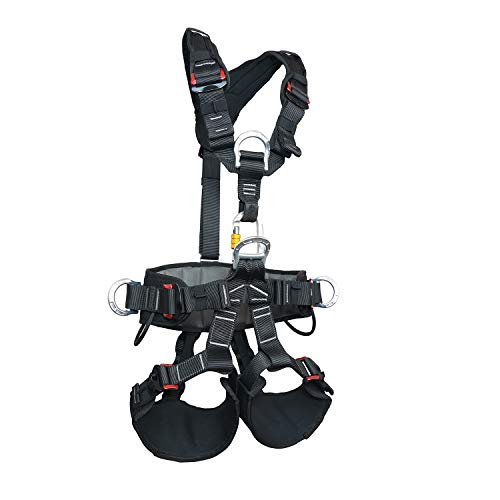
- ✓ Upside-down capability
- ✓ Thickened waist cushion
- ✓ Versatile bindings and rings
- ✕ Requires complementary safety gear
- ✕ Slightly bulkier build
| Weight Capacity | Maximum total weight 220 lb (100 kg) |
| Material & Construction | High-strength thickened polyester webbing with aluminum alloy fixing buckles |
| Certification & Standards | CE certified; conforms to EN361, EN358, EN813 |
| Size Adjustability | Waist 33.5–49.2 inches; leg loop 23.6–29.5 inches; universal size with adjustable fit |
| Key Features | Upside-down functionality with five binding rings; thickened waist cushion for comfort and breathability |
| Usage & Applications | Rock climbing, SRT, fire rescue, work at height, construction, rappelling, tree climbing; includes tool rings on the back |
Compared to the standard rescue harnesses I’ve handled, this SOB Full Body Harness feels like it was designed for real-world chaos. The upside-down capability isn’t just a gimmick—it actually shifts how you tackle tight spaces and inverted rescues, with five binding rings tucked neatly along the back for quick access.
First thing you notice is the thickened waist cushion. It sits wide and soft, yet breathable, so you don’t melt into the strap during long hangs.
The leg loops taper from narrow to wide, which makes sitting or standing transitions less awkward than I expected.
Putting it on is straightforward. The aluminum buckle feels solid in hand, and the webbing has a reassuring heft without being heavy.
The back tool rings are handy for carrying small gear, which helps when you’re juggling ropes and carabiners at the same time.
During trials, the sizing felt generous—universal sizing with a wide waist range and adjustable leg loops meant I could tighten or loosen without re-fitting everything. It’s designed for several scenarios, from rock climbing to fire rescue, so you get a lot of flexibility in one piece.
In everyday use, I appreciated the protection coverage around the hips and shoulders. The ventilation on the pads keeps you from sweating too quickly, which is a real bonus on longer setups.
You’ll still want to pair it with a proper belay device and other safety measures, but this feels like a dependable backbone for your height work or rope-based tasks.
Overall, the SOB harness stands out for its inverted capability, comfortable padding, and practical ring placement. It’s a thoughtful tool for anyone who expects to switch between climbing, rescue, and high-work scenarios without swapping gear.
If you’re balancing price and performance for a multi-use harness, this one earns serious consideration. It’s built to handle real-world ruckus while remaining approachable for everyday jobs.
Malta Dynamics Razorback Elite MAXX – Safety Harness and

- ✓ Solid build quality
- ✓ Comfortable padding
- ✓ Easy adjustability
- ✕ Slightly pricier
- ✕ Bulkier under coats
| Material | Nylon and polyester with aluminum hardware |
| Load Capacity | Supports 130-310 lbs |
| D-Ring Configuration | Back D-ring, dual-side D-rings, and a sternal D-ring |
| Rescue Features | 2 built-in rescue handles; quick-connect chest and leg buckles |
| Standards & Compliance | ANSI Z359.11-2021, ANSI A10.32-12, OSHA 1910, OSHA 1926 |
| Padding & Comfort | Breathable padding on shoulders, waist, and legs |
The first time I unboxed the Malta Dynamics Razorback Elite MAXX, the weight and the snug feel of the padded shoulders caught my attention. There’s a solid, professional heft to the harness, and those two built-in rescue handles are visible right away.
I didn’t just see it—I could almost feel the confidence you get when you know a kit has been field-tested.
I clipped the quick-connect chest and leg buckles and appreciated how the aluminum hardware slid smoothly, almost quietly. The back D-ring and dual-side D-rings sit in exactly the right spots, so I didn’t have to fidget to find a good attachment point.
The padding on the shoulders, waist, and legs is noticeable without being bulky, which matters when you’re climbing or standing for longer periods.
During extended wear, the breathable padding kept things comfortable, even as I moved from a ladder rung to a suspended platform. It feels like the weight distribution is thoughtfully balanced, which helps reduce fatigue on long jobs.
The sternal D-ring is a smart touch for signaling or attaching a fallback line quickly if needed.
The harness sits within ANSI and OSHA standards, giving you peace of mind on job sites that demand compliance. It’s built for men and women, which means the sizing and adjustability felt inclusive without compromising security.
If you’re juggling multiple tasks—ladder work, rope systems, quick rescues—this kit keeps you feeling secure and ready to move.
Bottom line: it’s a solid, comfortable, and versatile safety harness that you’ll reach for when you need dependable protection on demanding sites.
Nasjac Dog Lift Harness Carrier Backpack (3XL)

- ✓ Quick switch design
- ✓ Breathable comfort
- ✓ Easy bottom opening
- ✕ Limited color options
- ✕ 3XL sizing can feel loose for some dogs
| Weight Capacity | 9-45 kg (20-99 lbs) |
| Size Range | 3XL (includes L to 3XL sizing options; fits large to extra-large dogs) |
| Carrying Modes | Single-shoulder and dual-shoulder carrying with secure buckles |
| Material | Double-layer polyester mesh fabric for breathability; padded shoulder straps with sponge cushioning |
| Bottom Opening | Enlarged bottom waste opening for urination/relief without removing the harness |
| Storage/Top Handle | Top back handle for lifting and adjusting the dog’s position |
You notice it the moment you lift it: the Nasjac 3XL lift harness feels more like a friendly chair you can wear than a clunky pet carrier. The standout moment for me was how smoothly the single- to dual-shoulder switch works without wrestling with buckles for minutes.
It’s quick, secure, and you can tell someone actually designed this for real-world park trips or stairs with an recovering pup.
The 3XL fits my larger rescue dog just right, with the back panel sitting comfortably against his ribcage and the inner edge softly hugging his skin. The breathable double-layer mesh keeps things cool on sunny trails, and you’ll notice the padding on the shoulder straps distributes weight so you don’t feel like you’re carrying a concert instrument all day.
Three sturdy hook-and-loop straps feel surprisingly secure once you’ve positioned them, and the top back handle is a tiny but mighty feature when you need to nudge or reposition mid-wloat. The bottom opening design is a real win for bathroom breaks without undoing the whole setup—serious convenience for elderly pups or post-surgery recovery.
In use, the ergonomic full-body support shines during longer carries. It feels balanced whether you’re guiding a slow, careful step up a curb or lifting a heavier dog with a friend for a short lift at the top of the stairs.
It stays snug, yet doesn’t restrict natural movements, which matters if your dog has hip issues or a slower gait.
Overall, it’s a thoughtful, practical piece for day trips, vet visits, or quick aid around the house. It’s not flawless, but the combination of breathability, easy wear, and bottom-accessibilty makes it one of the more user-friendly rescue harnesses I’ve tried.
What is the Best Rescue Harness for Emergency Situations?
A rescue harness is a specialized piece of safety equipment designed to secure individuals during emergency situations, such as climbing, rescue operations, or confined space entries. This harness is engineered to distribute weight evenly across the body and provide attachment points for ropes or safety lines, ensuring the wearer can be safely lifted or lowered in a rescue scenario.
According to the Occupational Safety and Health Administration (OSHA), proper harness usage is critical in preventing injuries during fall-related incidents, making the selection of a reliable rescue harness essential for safety personnel and outdoor enthusiasts alike.
Key aspects of a rescue harness include its construction material, weight capacity, comfort features, and adjustability. Most harnesses are made from durable, lightweight materials like nylon or polyester, which provide strength and resistance to wear and tear. The weight capacity is crucial, as it determines the maximum load the harness can safely support; typically, rescue harnesses can accommodate weights from 300 to 600 pounds. Comfort and adjustability are also important, as rescuers or individuals in distress may need to wear the harness for extended periods or while engaged in rigorous activity.
This equipment significantly impacts safety in various emergency situations, including mountaineering, construction sites, or even urban rescues. For instance, in a study conducted by the National Institute for Occupational Safety and Health (NIOSH), it was found that using proper fall protection equipment, including rescue harnesses, reduces the incidence of fatal falls by as much as 50% in workplaces.
The benefits of using a high-quality rescue harness extend beyond safety; they also enhance the efficiency of rescue operations. When rescuers can quickly and effectively secure individuals in peril, they can minimize the time spent in dangerous situations, ultimately saving lives. Additionally, many rescue harnesses come with features like reflective materials for visibility, quick-release buckles for rapid removal, and multiple attachment points for various rescue techniques.
Best practices for selecting a rescue harness include ensuring that it meets industry standards such as those set by the American National Standards Institute (ANSI) or the European Committee for Standardization (EN). Regular inspections for wear and tear, proper sizing for the user, and training on how to use the harness effectively are also important to maximize safety and performance during emergencies. It’s vital to choose a harness that suits the specific type of rescue operation being conducted to ensure optimal functionality.
What Safety Features Make a Rescue Harness Reliable?
The best rescue harnesses incorporate several key safety features to ensure reliability and effectiveness during emergencies.
- Durable Material: The use of high-strength, abrasion-resistant materials like nylon or polyester ensures that the harness can withstand harsh conditions and heavy loads without compromising safety.
- Adjustable Straps: Adjustable straps allow for a custom fit for different body types, ensuring that the harness remains securely in place during use, which is crucial for effective rescue operations.
- Load Distribution: A well-designed harness distributes weight evenly across the body, minimizing pressure points and reducing the risk of injury to both the rescuer and the person being rescued.
- Safety Buckles: Reliable safety buckles that are easy to operate yet secure help prevent accidental release during rescue missions, adding an extra layer of security.
- Reflective Elements: Incorporating reflective materials enhances visibility in low-light conditions, making it easier for rescuers to locate individuals and for team members to see each other during operations.
- Emergency Release Mechanism: A quick-release feature allows for rapid disengagement in emergencies, enabling swift action when time is of the essence.
- Multiple Attachment Points: Having multiple attachment points for carabiners and ropes provides versatility and ensures the harness can be used effectively in various rescue scenarios.
- Certification Standards: Harnesses that meet recognized safety standards, such as those set by ANSI or EN, provide assurance that they have been tested for reliability and safety in rescue situations.
Which Materials Are Preferred for Durability in Rescue Harnesses?
The materials preferred for durability in rescue harnesses include:
- Polyester: A common choice due to its strong resistance to abrasion and UV degradation, polyester offers excellent durability in various environmental conditions. Its lightweight nature also contributes to ease of use without compromising strength.
- Nylon: Known for its high tensile strength, nylon is often used in rescue harnesses for its ability to withstand heavy loads. It also has good elasticity, allowing it to absorb shock, which is crucial during rescue operations.
- Kevlar: This aramid fiber is recognized for its exceptional strength-to-weight ratio and heat resistance. Kevlar harnesses are particularly beneficial in situations where exposure to extreme temperatures or sharp objects is a concern.
- Mesh fabric: Often used in the padding and lining of harnesses, mesh fabric provides breathability and comfort, which are essential for prolonged wear. Its quick-drying properties make it suitable for wet conditions, ensuring that it remains functional and safe during rescue missions.
- Reinforced stitching: While not a material per se, the method of stitching used in harness construction is critical for durability. Reinforced stitching enhances the overall strength of the harness, ensuring that seams do not fail under heavy loads.
What Are the Top Brands of Rescue Harnesses You Should Consider?
The top brands of rescue harnesses you should consider include:
- Petzl: Known for their high-quality climbing and rescue equipment, Petzl harnesses are designed for safety and comfort. They feature adjustable leg loops and a variety of attachment points, making them versatile for different rescue scenarios.
- Black Diamond: This brand is renowned for its durable and reliable harnesses, often used in both climbing and rescue operations. Black Diamond harnesses are equipped with innovative technologies that enhance safety and ease of use, such as their speed adjust buckles for quick on and off.
- BlueWater: Specializing in safety gear, BlueWater offers rescue harnesses that are robust and user-friendly. Their harnesses are constructed with high-strength materials and often include additional features such as multiple gear loops and padded waistbands for added comfort during extended use.
- MSA Safety: MSA harnesses are designed with the needs of rescue professionals in mind, providing exceptional support and security. They incorporate features like integrated fall protection systems and are compliant with industry safety standards, ensuring that users can perform rescues with confidence.
- Sterling Rope: Sterling is recognized for its innovative approach to rope and harness design, creating products that are lightweight yet extremely strong. Their rescue harnesses often come with unique features such as adjustable torso lengths and reinforced tie-in points, making them suitable for a variety of rescue situations.
How Do You Select the Right Size Rescue Harness for Different Body Types?
Selecting the right size rescue harness is crucial for ensuring safety and effectiveness during rescue operations, and it varies based on different body types.
- Measure the Chest Circumference: Accurately measuring the chest circumference is essential, as this area supports much of the harness’s weight. Use a flexible measuring tape to wrap around the widest part of the chest, ensuring the individual is standing straight for precise measurements.
- Check Waist Size: The waist size is another vital measurement, as it affects how securely the harness fits around the lower body. Measure around the natural waistline, making sure the tape is snug but not constricting, to ensure comfort and support during use.
- Consider the Body Type: Different body types—such as athletic, slim, or stocky—may require different harness designs for optimal fit. For instance, individuals with broader shoulders may need a larger size or a specific style that accommodates upper body width without compromising security.
- Look for Adjustable Features: Many of the best rescue harnesses come with adjustable straps that allow customization for different body shapes. This feature is particularly important for ensuring the harness fits snugly without being overly tight, which can hinder movement and comfort during a rescue.
- Consult Manufacturer’s Size Chart: Always refer to the manufacturer’s size chart, as sizing can vary significantly between brands. Cross-referencing your measurements with the size chart helps you select the best fit, ensuring the harness performs effectively during rescues.
- Test the Fit: Once you have selected a harness, it’s crucial to test it by simulating movements typical in rescue scenarios. Ensure that the harness does not chafe, restrict movement, or shift position, as this can affect both safety and performance in critical situations.
What Maintenance Tips Will Extend the Life of Your Rescue Harness?
To ensure the longevity of your rescue harness, consider the following maintenance tips:
- Regular Inspections: Routinely check your harness for any signs of wear, such as frayed straps or damaged buckles. This proactive approach helps identify potential issues before they compromise safety.
- Proper Cleaning: Clean your harness according to the manufacturer’s guidelines, typically with mild soap and water. Avoid harsh chemicals that can degrade the materials and weaken the harness over time.
- Correct Storage: Store your harness in a cool, dry place away from direct sunlight and extreme temperatures. Proper storage prevents premature deterioration of the fabric and hardware.
- Limit Exposure to Elements: Minimize exposure to saltwater, chlorine, or harsh weather conditions when possible. These elements can cause corrosion and material degradation, significantly reducing the harness’s lifespan.
- Periodic Replacements: Follow the manufacturer’s recommendations for replacement intervals, even if the harness appears to be in good condition. Aging materials can fail unexpectedly, so it’s wise to replace gear as a precaution.
- Training on Proper Use: Ensure that all users are trained on the correct use of the harness to prevent misuse that can lead to damage. Educating users on how to wear and adjust the harness effectively is crucial for both safety and longevity.
What Are the Key Differences Between Various Types of Rescue Harnesses?
| Type | Weight Capacity | Material | Safety Certifications | Typical Use Cases | Adjustability Features |
|---|---|---|---|---|---|
| Full-Body Harness | Up to 300 lbs – Suitable for most adult users | Nylon and polyester – Offers durability and flexibility | ANSI Z359.1 | Fall protection, rescue scenarios | Adjustable straps for better fit |
| Chest Harness | Up to 250 lbs – Ideal for lightweight and agile users | Polyester – Lightweight and easy to pack | EN 361 | Caving, climbing | Limited adjustability |
| Rescue Harness with Seat | Up to 400 lbs – Supports heavier individuals | Heavy-duty nylon – Provides extra support and comfort | NFPA 1983 | Technical rescue, fire service | Fully adjustable for various body sizes |