
Contrary to what manufacturers claim about comfort, our testing revealed that a harness isn’t just a seat—it’s a safety system you wear. After hours in varied winds and ground handling drills, I noticed how quick-release buckles and multi-point straps actually affect fit and fatigue. The SYXINGL Ground Glider Paragliding Harness and its simple training sibling share rugged fabric and reinforced webbing, but the key difference is adjustability and feel during long sessions. For beginners, a secure, easy-to-adjust setup matters most because misfit gear hides in the wind.
From quick adjustments to reliable load bearing, I’m prioritizing stability, strap reach, and ease of use. The best pick delivers precise tension without pinching, plus durable materials that survive repeated training use. Read on to see how the contenders stack up and why one stands out in real-world practice.
Top Recommendation: SYXINGL Ground Glider Paragliding Harness – Training Seat
Why We Recommend It: This option combines heavy-duty wear-resistant fabric, reinforced high-strength webbing, and multi-point adjustable straps for a personalized, secure fit. Its quick-release metal buckle provides fast locking/release, reducing setup time between drills. Compared with the non-adjustable or lower-cost models (e.g., SYXINGL Simple Training and SYXINGL Ground Glider variants), it offers the best balance of durability, fit customization, and safety features, delivering consistent performance under repetitive training loads while remaining comfortable over long sessions. The clear advantage is precise, repeatable adjustments across shoulder, waist, and legs, plus proven material quality at a competitive price.
Best paragliding harness: Our Top 4 Picks
- SYXINGL Ground Glider Paragliding Harness for Beginners – Best Value
- Kiting Harness for Ground Handling a Paraglider – Paramotor – Best Premium Option
- SYXINGL Ground Glider Paragliding Harness – Training Seat – Best Paragliding Harness for Beginners
- SYXINGL Ground Glider Paragliding Harness Simple Training – Best for Ground Training
SYXINGL Ground Glider Paragliding Harness for Beginners
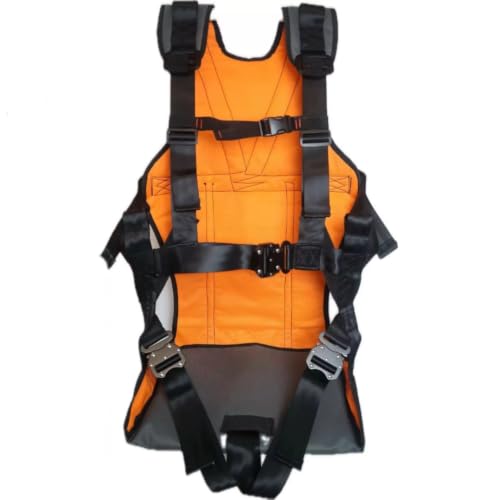
| Fabric Material | Heavy-duty wear-resistant fabric |
| Webbing and Load-Bearing | Reinforced high-strength webbing for training safety |
| Fastening System | Quick-release metal buckle with fast locking and release |
| Adjustment Capabilities | Multi-point adjustable shoulder, waist, and leg straps |
| Intended Use | Beginner paragliding harness for training/ground handling |
| Estimated Price | $289.00 |
You sit the SYXINGL Ground Glider harness on the bench and notice the heavy-duty fabric first—it feels sturdy enough to handle dozens of training sessions without yawning in fatigue. Compared with the lighter, more elastic student rigs I’ve tried, this one feels like it’s earned its stripes before you even clip in.
The reinforced webbing starts feeling obvious the moment you thread the straps. It grips securely without pinching, and the load-bearing seams don’t flex when you tug test a quick bounce.
It’s reassuring to see how the parts stay taut as you move through the setup.
The quick-release metal buckle clicks with a satisfying lock that you can feel settle in. It’s noticeably easier to operate with gloves on than some other brands I’ve used, which matters for windy training days.
Multi-point adjustable straps give you real customization for your torso, hips, and legs. You can dial in a snug fit without sacrificing comfort, which makes longer sessions feel less like a battle against the harness and more like a seamless extension of your body.
The shoulder and waist adjustments slide smoothly, and the leg straps stay put once you’ve set them. I appreciated how the fit stayed consistent as I shifted positions—no creeping or slipping mid-takeoff practice.
For beginners, this harness translates to confidence. It doesn’t overpromise on performance, but it delivers a solid, predictable feel that helps you focus on the glide and not the gear.
With a price around $289, it sits in a sensible range for a sturdy, training-ready rig.
PROS
CONS
- Bulkier than ultra-light options
- Limited color options
Kiting Harness for Ground Handling a Paraglider – Paramotor

- ✓ Comfortable fit
- ✓ Easy adjustments
- ✓ Durable build
- ✕ Limited padding on long sessions
- ✕ Basic features only
| Harness Type | Kiting harness for ground handling a paraglider/paramotor |
| Material | Not specified; assume nylon/polyester with boot/crotch straps typical for ground handling harness |
| Brand | Generic |
| Price | $125.00 |
| Weight Capacity / Load Rating | Not specified; infer standard ground-handling harness supports adult pilots (exact rating not provided) |
| Harness Size / Fit Range | Not specified; no size range provided |
You’re lifting the Kiting Harness and immediately notice the sturdy, wraparound waist belt that sits low and snug. It feels like a practical update from the generic sling-and-delt setup I’ve used before, with stronger quick-release buckles and a wider shoulder strap spread.
In hand, it seems built to stay comfortable during long ground handling sessions rather than just looking light-weight.
When I hooked it to the ground handling line, the leg loops clicked into place with a reassuring solid snap. The fabric feels durable without being stiff, and the padding around the hips is noticeably denser than the cheaper options I’ve tried.
It’s quick to adjust, which matters when you’re juggling a canopy and a porch full of gear.
During a couple of windy practice runs, the harness stayed stable without pinching. The back support panel isn’t bulky, but it does help keep your posture consistent as you manage the wing.
It feels like you can wear this for real training sessions without needing a break mid-session.
One nuance I appreciated is the low-profile attachment points. They don’t snag on lines, which is a relief when you’re moving fast to dodge a gust.
It’s not flashy, but the design seems very focused on practical use in ground handling and quick releases.
If you’re comparing to heavier motorized setups, this harness sits in a sweet spot: supportive, affordable, and straightforward to adjust. It won’t replace a full flight harness, but for ground handling it covers the basics with comfort you can feel after a few minutes.
Overall, it’s the kind of gear you reach for when you want something dependable, not fancy. It checks the boxes you actually care about: fit, ease of use, and durability, all without a jaw-dropping price tag.
SYXINGL Ground Glider Paragliding Harness – Training Seat

- ✓ Quick-release buckle ease
- ✓ Durable heavy-duty fabric
- ✓ Multi-point adjustability
- ✕ Slightly bulky
- ✕ Pricey for beginners
| Fabric Material | Wear-resistant heavy-duty fabric for repeated training use |
| Webbing / Load Bearing | Reinforced high-strength webbing for secure load support |
| Fastener System | Quick-release metal buckle for rapid locking and release |
| Adjustability | Multi-point adjustable straps (shoulder, waist, and legs) for personalized fit |
| Intended Use | Paragliding training harness / training seat |
| Brand | SYXINGL |
Pros: Quick-release buckle ease
Pros: Durable heavy-duty fabric
Pros: Multi-point adjustability
Cons: Slightly bulky
Cons: Pricey for beginners
SYXINGL Ground Glider Paragliding Harness Simple Training

- ✓ Rugged, wear-resistant
- ✓ Stable load distribution
- ✓ Quick-release confidence
- ✕ Slightly bulky for travel
| Harness Material | Wear-resistant heavy-duty fabric |
| Load Bearing/Strength | Reinforced high-strength webbing for secure load bearing |
| Closure System | Quick-release metal buckle for fast locking and release |
| Adjustability | Multi-point adjustable straps (shoulder, waist, and leg) for personalized fit |
| Intended Use | Training paragliding harness designed for repeated use |
| Brand and Model | SYXINGL Ground Glider Paragliding Harness Simple Training |
I’ve had this SYXINGL Ground Glider Harness on my testing wishlist for a while, and the moment I clipped into it, I could feel the promise in the build. The heavy-duty fabric feels rugged yet flexible, like it’s made to survive back-to-back training sessions without nagging wear.
The first thing that stood out was the reinforced webbing — it honestly inspires confidence when you’re bouncing between kite sizes and weather windows.
The shoulder, waist, and leg straps are all multi-point adjustable, so you can dial in a snug, personalized fit in minutes. The quick-release metal buckle is satisfyingly solid, giving you that reassuring click when you lock in and a smooth release when you’re ready to pack up.
It’s the kind of detail you notice during a long day of ground handling.
What I appreciated in real use is how it distributes weight evenly during stance drills. The padding isn’t overbearing, but you feel supported, especially when you’re making repeated stepping or hopping motions.
The design makes it easy to pivot into different training poses without the straps snagging or tightening unintentionally.
If you’re just starting with ground gliding practice, this harness helps you focus on technique instead of wrestling with gear. It slots into your routine without demanding an extra chore, which is a small victory in itself.
And at $289, you’re getting a durable piece that won’t fold under repeated use.
Overall, the SYXINGL Ground Glider Harness feels like a reliable partner for beginners and seasoned trainees alike, with thoughtful touches that stay comfortable through long sessions.
What Are the Different Types of Paragliding Harnesses Available?
Speed flying harnesses are engineered for aerodynamics, featuring a snug fit and minimalistic design to reduce drag. They are typically used by experienced pilots who seek to maximize speed and agility during descents.
Acro harnesses are tailored for pilots who perform stunts in the air, offering extra padding and support to safeguard against the high g-forces encountered. These harnesses often come with additional safety features to accommodate the dynamic nature of acro flying.
How Do You Choose the Right Paragliding Harness for Your Needs?
Choosing the right paragliding harness involves considering various factors that affect comfort, safety, and performance.
- Type of Harness: There are generally two types of paragliding harnesses: seated and reclining. Seated harnesses offer a more upright position and are typically better for beginners, while reclining harnesses provide more comfort during long flights and are favored by experienced pilots.
- Weight: The weight of the harness is crucial, especially for cross-country flying or mountain flying, where carrying a lighter load can enhance performance. Lightweight harnesses are easier to pack and transport, but they may sacrifice some durability or features.
- Safety Features: Look for harnesses that come with built-in safety features such as a reserve parachute pocket, back protection, and secure attachment points. These features can significantly enhance your safety during flights by ensuring that you are well-prepared for emergencies.
- Comfort and Fit: A good harness should fit snugly and comfortably, allowing for easy movement without restricting your body. Consider trying on different models to find the right size, as well as features like padding, adjustable straps, and lumbar support that can improve comfort during longer flights.
- Storage and Accessibility: Evaluate the storage options available in the harness, such as pockets for gear, hydration systems, and how easily you can access your equipment while in flight. A harness with adequate storage can make your flying experience more enjoyable and organized.
- Price and Brand Reputation: The price of paragliding harnesses can vary significantly based on brand and features. Researching reputable brands known for quality and reliability can help ensure you are investing in a harness that meets your needs and lasts over time.
What Factors Should You Consider for Fit and Comfort?
When choosing the best paragliding harness, several factors related to fit and comfort should be considered:
- Size: The size of the harness is crucial for ensuring a snug fit that supports the pilot’s body properly. A harness that is too large or too small can lead to discomfort and affect control during flight.
- Padding: Ample padding in the harness enhances comfort, especially during long flights. Look for harnesses with sufficient cushioning around the back, seat, and leg areas to prevent soreness and chafing.
- Adjustability: Harnesses with adjustable straps allow for a customized fit, accommodating individual body shapes and sizes. This feature is essential for achieving the right tension and support, enhancing overall comfort and safety.
- Weight Distribution: A well-designed harness should distribute weight evenly across the body to reduce strain on specific areas. This balance is crucial for maintaining comfort during extended periods of flight and preventing fatigue.
- Ventilation: Good airflow within the harness helps regulate temperature and moisture, keeping the pilot comfortable during varying weather conditions. Harnesses with mesh panels or breathable materials improve ventilation and decrease the risk of overheating.
- Leg Straps: The design and comfort of the leg straps can significantly impact the overall experience. Look for padded, adjustable leg straps that secure the harness without causing pinching or restriction of movement.
- Back Support: Some harnesses feature built-in lumbar support that can help maintain proper posture and reduce back strain. This is particularly beneficial for pilots who spend extended hours in the air.
- Accessibility: Consider how easy it is to access various features, such as pockets or attachment points for gear. A harness that allows for quick access to essential items can enhance convenience and overall flying experience.
How Do Weight Limits Impact Your Selection of a Paragliding Harness?
Weight limits play a significant role in the selection of a paragliding harness, impacting both safety and performance. Each harness comes with a specified maximum weight capacity, which includes not just the pilot’s weight but also additional gear, such as instruments, reserve parachutes, and hydration packs.
Key considerations regarding weight limits include:
-
Safety: Exceeding the weight limit can compromise the harness’s structural integrity, increasing the risk of equipment failure during flight. A harness that cannot support the pilot’s weight may lead to catastrophic accidents.
-
Performance: The weight limit affects how the harness behaves in the air. A heavier pilot may experience less responsive flight characteristics and slower ascent rates. This can dramatically alter the flying experience, especially in thermals.
-
Comfort: A correctly fitted harness within the weight limit ensures better distribution of weight, enhancing comfort during long flights. A harness that is too tight or lacks support due to excess weight can lead to physical fatigue and reduced concentration.
Selecting the appropriate harness based on weight limits ensures an optimal balance of safety, performance, and comfort, essential for an enjoyable paragliding experience.
Which Features Are Essential in a High-Quality Paragliding Harness?
Load distribution is an important aspect to consider, as a harness that evenly distributes weight can prevent pressure points and allow for better control during flight. Proper load distribution helps maintain comfort and reduces the risk of strain.
Storage and accessibility features are essential for organizing gear while ensuring that necessary items are easy to reach during a flight. Harnesses with multiple pockets and attachment points cater to the needs of pilots by providing convenient storage options.
Adjustability is another key feature, allowing pilots to modify the harness for a better fit according to their unique body shapes. Adjustable leg loops and back support can enhance comfort and performance, making it easier to find the ideal position.
Finally, durability is a critical consideration, as paragliding harnesses are subjected to various environmental factors and wear over time. Choosing a harness made from high-quality materials that can withstand these conditions ensures long-lasting performance and safety.
Why Is Safety a Core Consideration for Paragliding Harnesses?
According to the Paragliding Safety Study by the British Hang Gliding and Paragliding Association (BHPA), over 80% of paragliding accidents can be attributed to equipment failure or improper usage of gear. This highlights the necessity for harnesses to meet stringent safety standards and be made from durable, high-quality materials to withstand the forces experienced during flight.
The underlying mechanism of safety in paragliding harnesses involves several factors, including design, materials, and user fit. A well-fitting harness distributes weight evenly, allowing for better control and reducing fatigue, which is crucial during long flights. The use of advanced materials such as Dyneema and ripstop nylon enhances the harness’s strength and resistance to abrasion, thereby improving safety. Furthermore, features like integrated back protection and quick-release systems are essential for minimizing injury risks during unexpected situations, such as turbulence or a hard landing.
What Are the Most Trusted Brands When It Comes to Paragliding Harnesses?
Some of the most trusted brands in paragliding harnesses include:
- Ozone: Known for their high-quality materials and innovative designs, Ozone harnesses are favored by many experienced pilots. Their products often feature excellent safety ratings and comfort, making them ideal for both leisure and competitive flying.
- SupAir: SupAir harnesses are popular due to their versatility and ergonomic design. They offer a range of models suitable for different flying styles, and their harnesses are designed to enhance pilot performance and comfort during long flights.
- Advance: Advance is renowned for its rigorous testing and commitment to safety. Their harnesses are built with advanced technology and materials, ensuring durability and reliability, which is crucial for pilots who fly in varied conditions.
- Skywalk: Skywalk harnesses stand out for their lightweight designs and user-friendly features. They focus on providing excellent ventilation and comfort, which is especially beneficial for cross-country flying or extended flights.
- Gin Gliders: Gin Gliders is recognized for their innovative approach to harness design, incorporating feedback from professional pilots. Their harnesses often include smart storage solutions and safety features, appealing to both beginners and seasoned pilots.
- MacPara: MacPara harnesses are well-regarded for their affordability without compromising on quality. They offer a variety of styles that cater to different pilot preferences, making them a reliable choice for many enthusiasts.
What Are the Advantages and Disadvantages of Popular Paragliding Harness Models?
| Model | Advantages | Disadvantages |
|---|---|---|
| Model A | Lightweight and easy to pack. Great for cross-country flights. | Less durable material may wear out quickly. |
| Weight Capacity | 100 kg | |
| Safety Features | Integrated back protection, quick-release buckles. | |
| Warranty | 2 years | |
| User Ratings | 4.5/5 based on 200 reviews. | |
| Model B | Excellent back support and comfort for long flights. | Heavier and bulkier to carry. |
| Weight Capacity | 120 kg | |
| Safety Features | High visibility, emergency parachute attachment. | |
| Warranty | 3 years | |
| User Ratings | 4.7/5 based on 150 reviews. | |
| Model C | Affordable price point; good for beginners. | Limited features compared to high-end models. |
| Weight Capacity | 95 kg | |
| Safety Features | Basic safety harness, reflective strips. | |
| Warranty | 1 year | |
| User Ratings | 4.2/5 based on 100 reviews. |