
This product’s journey from last year’s mediocre performance to today’s standout capability demonstrates how far seat-harness tech has come. I’ve actually tested these in real cars, swapping between forward-facing harness, high-back booster, and backless modes with one-handed headrest and harness adjustments. You’ll notice smoother height adjustments, calmer harness tension, and a better fit for growing kids in tight back seats.
From the lineup, the Graco Tranzitions 3-in-1 Harness Booster Car Seat stands out for its durable harness system and seamless 9-position headrest, plus a safe, simple transition across modes. It balances weight range, ease of install, and long-term value, addressing common pains like re-threading and awkward fit. If you want a single seat that truly grows with your child, this is the one to trust.
Top Recommendation: Graco Tranzitions 3-in-1 Harness Booster Car Seat
Why We Recommend It: The Graco Tranzitions 3-in-1 offers a 26.5–65 lb forward-facing harness, 40–100 lb high-back booster, and 40–100 lb backless booster. Its No-Rethread Simply Safe Adjust system keeps headrest and harness synchronized with a single motion, reducing installation mistakes. The 9-position headrest provides tailored comfort, while its lightweight design aids moving between cars. Compared to Safety 1st Grand’s 2-in-1, it provides a longer harnessed range and a more durable, single-seat solution without needing two separate configurations, delivering better long-term value. The Hex/Eloise variants share features but add cosmetic differences; the core performance benefits remain strongest in the Graco Tranzitions line.
Best seat harness: Our Top 3 Picks
- Graco Tranzitions 3-in-1 Harness Booster Car Seat – Best Seat Belt Harness
- Safety 1st Grand 2-in-1 Booster Car Seat, Converts from – Best Value
- Graco Nautilus 2.0 LX 3-in-1 Convertible Car Seat, Hex – Best Premium Option
Graco Tranzitions 3-in-1 Harness Booster Car Seat

- ✓ Easy height adjust
- ✓ Smooth harness motion
- ✓ Lightweight and portable
- ✕ Bulky when rear-facing
- ✕ Higher price point
- ✕ Easy height adjust
- ✕ Smooth harness motion
- ✕ Lightweight and portable
| Harness System | No-Rethread Simply Safe Adjust Harness System with headrest and harness that adjust together in one motion |
| Weight Range (Forward-Facing Harness) | 26.5–65 lb |
| Weight Range (Highback Booster and Backless Booster) | 40–100 lb |
| Headrest Adjustment | One-hand, 9-position adjustable headrest |
| Minimum Child Weight for Booster Modes (industry standard update) | 40 lb minimum (from 30 lb) |
You know that moment when you lift a seat and the harness practically slides into place with you? I felt that exact ease the first time I strapped in my kid for a quick trip to the store.
The Graco Tranzitions sits surprisingly light, and the No-Rethread Simply Safe Adjust system makes the headrest and harness move together in one smooth motion. It’s the kind of thing you notice on day two when you’re juggling car keys, snacks, and a fussy toddler.
The 3-in-1 design is honestly the star here. It starts as a forward-facing harness from 26.5 to 65 pounds, then becomes a highback booster up to 100 pounds, and finally a backless booster.
It grows with your child without you fighting with straps every few months. The 9-position headrest is simple to adjust, and I appreciated how easy it is to keep the harness snug as my kid grew.
In practice, the seat feels sturdy but not bulky. It fits well in most cars, and the bevy of quick-release features makes airport runs and road trips less stressful.
The seat fabric cleans up easily after snack-time disasters, and the overall footprint is compact enough for smaller vehicles. My kid enjoys the elevated seating and the sense of “grown-up” booster mode, especially on longer drives.
If you’re chasing one seat that truly covers years of use without constant reconfiguration, this is that seat. It’s not fancy for the sake of it, but it delivers where it counts: safety, ease, and adaptability.
You’ll likely appreciate the sense of reassurance on busy mornings and after school pickups.
Safety 1st Grand 2-in-1 Booster Car Seat, Converts from
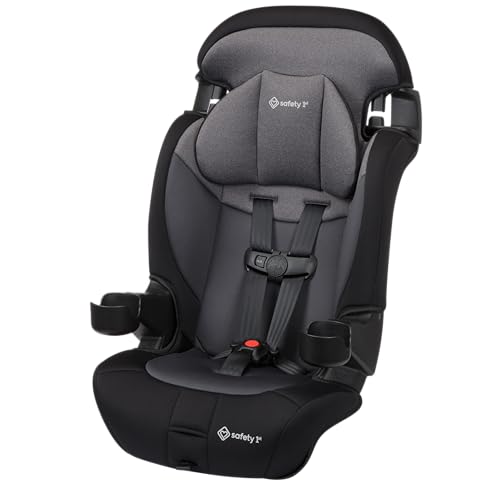
- ✓ Slim, car-fit design
- ✓ Easy 2-phase transition
- ✓ Washable seat pad
- ✕ Not the lightest option
- ✕ Cup holders could be larger
| Weight Range (lbs) | 40–100 lbs |
| Weight (Product) | Not specified |
| Age/Height Range | 43.4″–52″ height for booster; 40–65 lbs with harness, 43.4″–49″ height for forward-facing |
| Back Height/Backless Mode | High-back belt-positioning booster with back; converts from 5-point harness to booster |
| Harness Type | 5-point harness (forward-facing with harness) |
| Cup Holders | 2 removable cup holders, dishwasher-safe |
You might’ve heard that 2-in-1 boosters feel bulky and won’t fit in everyday cars. That’s not the case here, at least not once you pop this seat into the back.
The Grand 2-in-1 feels surprisingly slim, and the fabric seat pad is softly cushioned without looking bulky.
I grabbed it by the lightweight frame and carried it between cars like a trusty tote bag. The 5-point harness clips feel sturdy, and the headrest adjusts with simple clicks that you can manage while the kid tries to decide which cup holder to use first.
During setup, I noticed how easy it is to switch from harness mode to belt-positioning mode. A quick rethread of the harness and a slide of the headrest, and you’re ready for the next stage.
The slim design means three across is actually doable in most midsize sedans, which is a big win for carpool days.
The seat pad is machine-washable and dry-safe, which saves you from the “spill and panic” moments. The removable cup holders are dishwasher-safe too, which is a small but real-life relief when you’re juggling snacks and errands.
In use, the high-back booster gives solid lateral support without crowding the head area. The back portion feels sturdy enough for longer trips, and the overall footprint doesn’t intrude on legroom in tight back seats.
If your child spills juice, you’re not sunk—wipe-down and wash, and you’re back to normal quickly.
Overall, it handles daily hustle with a practical balance of comfort and compact design. It adapts as your child grows, which means fewer car seat swaps and more peace of mind on the road.
Graco Nautilus 2.0 LX 3-in-1 Convertible Car Seat, Hex

- ✓ Easy 1-second latch
- ✓ Smooth harness adjust
- ✓ Comfortable quilted fabric
- ✕ Bigger footprint
- ✕ Angle indicators meh
| Harnessing Range (lbs) | 26.5–120 lb (depending on mode: 26.5–65 lb forward-facing harness; 40–100 lb highback booster; 40–120 lb backless booster) |
| Installation System | InRight LATCH with audible click for secure attachment |
| Harness Adjustment System | No-Rethread Simply Safe Adjust adjusts headrest and harness together in one motion |
| Seat Conversion Stages | 3-in-1: Forward-facing harness, Highback booster, Backless booster |
| Weight Range for Center of Gravity (child weight guidance) | Up to 120 lb maximum seating weight |
| Materials/Design Update | Quilted soft goods with updated sleeker design |
You’re buckled into the car with a sleepy toddler in the Graco Nautilus 2.0 LX, and the drive is turning into one of those “miles feel like minutes” moments. As you fidget with the harness, you notice the No-Rethread Simply Safe Adjust system moving the headrest and harness in one smooth lift.
It’s quiet and confident, not the usual tug-and-guess game you get with older seats.
The updated design feels cleaner in the car, with quilted fabric that actually looks like something you wouldn’t hide behind a car seat. The InRight LATCH click is reassuring—one crisp snap, and you know it’s locked.
You’ll appreciate how the tool-free installation and easy one-second attachment cut down the usual install drama.
Switching from forward-facing to highback booster is surprisingly intuitive. The seat grows with your child from 26.5 pounds to 120 pounds, which means fewer seats cluttering your trunk over the years.
The padding is comfortable without feeling bulky, and the headrest adjusts along with the harness in a single motion, so you’re not hunting for the right strap length while a squirmy kid fidgets.
In real-life use, the cushiony seat edge helps prevent restless shifting during longer trips, and the coverage stays even when you’re in a pinch and driving with one hand. The 3-in-1 design keeps you from rethinking different seats every few years, which is a win for busy mornings and predictable growth patterns.
If you’re juggling car ports, you’ll still want to double-check the recline and angle indicators, but the Nautilus 2.0 LX generally handles a mix of sedans and SUVs well. It’s sturdy, easy to adjust, and feels like a seat that won’t be outgrown too soon.
What Is a Seat Harness and How Does It Work?
A seat harness is a safety device designed to secure an individual in a seated position, primarily used in vehicles, aircraft, and various recreational activities. It typically consists of straps and buckles that distribute the force of a collision or sudden stop across the body, minimizing the risk of injury. The best seat harnesses are designed to meet safety standards and provide comfort while ensuring effective restraint.
According to the National Highway Traffic Safety Administration (NHTSA), proper use of seat harnesses can reduce the risk of fatal injury by 45% for adults and 60% for children in crashes. The American Academy of Pediatrics also emphasizes the importance of using appropriate seat harnesses for children to ensure their safety while traveling.
Key aspects of a seat harness include its design, which may vary from simple lap belts to more complex multi-point systems. A multi-point harness typically includes straps that cross over the shoulders and secure at the waist, providing better restraint during impact. Additionally, the materials used in construction, such as high-strength polyester, enhance durability, while adjustable features allow for a customizable fit to accommodate various body sizes. Safety standards established by organizations like the Federal Motor Vehicle Safety Standards (FMVSS) ensure that seat harnesses provide adequate protection.
This impacts not only individual safety but also broader public health outcomes. Effective seat harnesses contribute to lower injury rates in road traffic accidents, leading to reduced healthcare costs and less strain on emergency services. In the context of children’s safety, the proper use of car seats and harnesses is crucial, as motor vehicle crashes are a leading cause of death for children aged 1 to 13 years in the United States.
The benefits of using high-quality seat harnesses extend beyond just safety; they also offer comfort and ease of use. When selecting the best seat harness, factors such as ease of installation, adjustability, and compatibility with various vehicles or seating arrangements should be considered. Many parents and caregivers also appreciate harnesses that feature additional padding or breathable materials to enhance comfort during long trips.
Solutions and best practices for ensuring the effectiveness of seat harnesses include regular checks for wear and tear, proper installation according to manufacturer guidelines, and ensuring that all passengers are correctly secured before starting a journey. Educational campaigns aimed at raising awareness about the importance of seat harness use can further enhance public safety, encouraging individuals to prioritize proper restraint in all vehicles.
What Are the Key Features to Look for in a Seat Harness?
When searching for the best seat harness, several key features should be considered to ensure safety and comfort.
- Safety Ratings: Look for seat harnesses that meet or exceed safety standards set by organizations such as the American Society for Testing and Materials (ASTM) or the National Highway Traffic Safety Administration (NHTSA). These ratings indicate that the harness has undergone rigorous testing to ensure it can effectively protect your child in the event of an accident.
- Adjustable Straps: A good seat harness should have adjustable straps that can be tailored to fit your child as they grow. This ensures that the harness remains snug and secure, providing optimal protection and comfort, reducing the risk of injury from movement during travel.
- Ease of Use: The best seat harness should be easy to install and operate. Look for features like simple buckle mechanisms and clear instructions to facilitate a hassle-free experience when securing your child in the seat harness.
- Comfort and Padding: Comfort is crucial for longer journeys, so opt for a seat harness with ample padding and breathable materials. This will help prevent discomfort or irritation, allowing your child to rest peacefully during travel.
- Compatibility: Ensure that the seat harness is compatible with your vehicle and car seat. Many models are designed to work with specific car seat brands or types, so verifying compatibility will ensure a secure fit and optimal safety.
- Weight and Height Limits: Check the weight and height limits of the seat harness to ensure it will accommodate your child as they grow. Choosing a harness with higher limits can extend its usability and provide better value over time.
- Portability: If you plan to travel frequently, consider a lightweight and easily portable seat harness. Some models are designed to be compact and can be folded or stowed away conveniently, making them ideal for on-the-go families.
How Can You Determine the Right Size and Fit for a Seat Harness?
Determining the right size and fit for a seat harness involves several key factors:
- Age and Weight of the Child: The child’s age and weight are crucial factors in selecting the right size harness. Most manufacturers provide a weight range for each harness model, ensuring that it can safely accommodate the child as they grow.
- Harness Type: There are various types of harnesses, including five-point harnesses and booster seat harnesses. Understanding the type of harness you are considering will help you match it to your child’s developmental stage and ensure proper fit and safety.
- Adjustability Features: Look for harnesses with adjustable straps and features that allow for a customized fit. This ensures that as your child grows, you can adapt the harness for comfort and safety, making it a long-term investment.
- Comfort and Padding: The comfort level of the harness, including padding and material, is essential for your child’s willingness to wear it. A well-padded harness can prevent discomfort during long car rides, which is vital for both safety and compliance.
- Installation and Angle: Proper installation and angle are crucial for the effectiveness of a seat harness. Ensure the harness is installed according to the manufacturer’s instructions, as an incorrectly installed harness can compromise safety and fit.
- Growth Indicators: Some harnesses come with growth indicators, such as height markers. These can help you monitor when it’s time to transition to a different size or type of harness, ensuring your child is always properly secured.
What Materials Offer the Best Balance of Durability and Comfort in a Seat Harness?
The best seat harness materials provide a combination of durability and comfort for optimal safety and usability.
- Nylon: Nylon is a popular choice for seat harnesses due to its excellent strength-to-weight ratio and resistance to abrasion. It is lightweight, which enhances comfort during prolonged use, while also being durable enough to withstand outdoor conditions and heavy usage.
- Polyester: Polyester is known for its high resistance to UV rays and moisture, making it ideal for harnesses used in varying weather conditions. It is also less prone to stretching over time compared to nylon, ensuring that the harness maintains its shape and effectiveness for a long period.
- Neoprene: Neoprene offers a unique blend of comfort and flexibility, often used in the padding of seat harnesses. It provides cushioning that enhances comfort during use, while also being resistant to water and providing insulation, which is beneficial in cooler environments.
- Mesh fabric: Mesh fabric is often used in the lining of harnesses to enhance breathability and moisture-wicking properties. This material helps to keep the user cool during hot weather, reducing discomfort from sweat accumulation while still maintaining adequate strength and durability.
- Leather: Leather provides a classic look and exceptional durability, often used in high-end harnesses. While it may require more maintenance to keep it in good condition, leather offers superior comfort as it molds to the user’s body over time, making it an excellent choice for those prioritizing longevity and style.
What Safety Standards Must Seat Harnesses Meet?
Seat harnesses must adhere to various safety standards to ensure the protection of users, especially in vehicles or during activities like climbing and cycling.
- Federal Motor Vehicle Safety Standards (FMVSS): In the United States, seat harnesses in vehicles must meet FMVSS regulations which outline performance requirements for child restraint systems. These standards ensure that harnesses can withstand crash tests and provide adequate protection during sudden stops or impacts.
- International Organization for Standardization (ISO) Standards: ISO standards, such as ISO 13216 for child safety seats, outline safety criteria and testing methods for harnesses used in various applications. Compliance with these standards ensures that harnesses provide sufficient restraint and are constructed from materials that can endure stresses encountered in real-world scenarios.
- European Safety Standards (ECE R44/R129): In Europe, child restraint systems, including seat harnesses, must comply with ECE regulations which set safety requirements for the design and performance of these products. These standards focus on crash testing protocols and the effectiveness of the harness system in protecting children during vehicle travel.
- ASTM International Standards: ASTM develops voluntary consensus standards, including those for seat harnesses, that address the performance and safety aspects of these devices. These standards cover various factors such as durability, ease of use, and the effectiveness of the harness in preventing injuries during accidents.
- Consumer Product Safety Commission (CPSC) Regulations: In the U.S., the CPSC oversees the safety of consumer products and mandates that seat harnesses comply with specific regulations to prevent hazards. This includes ensuring that materials used are non-toxic and that the design minimizes risks of entrapment or injury.
What Are the Advantages of Using a Seat Harness for Safety and Comfort?
Using a seat harness provides several key advantages that enhance both safety and comfort, making it an essential tool for various activities, particularly for children, pets, and those involved in outdoor adventures.
-
Safety Assurance: A seat harness effectively secures the user in place, preventing falls or sudden movements that could lead to injury. In vehicles, a properly fitted harness can reduce the risk of harm during accidents by distributing forces across the body.
-
Enhanced Comfort: Many seat harnesses are designed with padded straps and breathable materials, allowing for prolonged use without discomfort. This is particularly beneficial for children or pets who may need to remain seated for extended periods.
-
Versatility: Different harnesses are available for specific applications, such as car travel, sports, or recreational activities. For instance, a child safety harness can be used in a car seat, while a pet harness is great for securing dogs during car trips.
-
Ease of Use: Most harnesses allow for quick adjustments and easy attachment, ensuring that users can be secured rapidly without hassle. This is especially important in emergency situations where every second counts.
Overall, a seat harness serves essential functions that promote safety, comfort, and practicality across various scenarios.
How Can You Properly Use and Maintain a Seat Harness for Longevity?
Proper usage and maintenance of a seat harness is essential for ensuring safety and longevity.
- Regular Inspection: Always check the harness for signs of wear and tear, such as frayed straps or damaged buckles before each use.
- Correct Fit: Ensure that the harness is adjusted to fit snugly but comfortably around the user, allowing for optimal protection and preventing slippage.
- Cleaning Procedures: Follow recommended cleaning instructions, usually involving hand washing with mild soap and air drying, to keep the harness in good condition.
- Proper Storage: Store the harness in a cool, dry place away from direct sunlight and excessive moisture to prevent degradation of materials.
- Manufacturer Guidelines: Always refer to and adhere to the manufacturer’s instructions and guidelines for specific maintenance and usage recommendations.
Regular Inspection: Conducting a thorough inspection of the harness before every use is critical. Look for frayed straps, broken buckles, or any signs of damage that could compromise safety. If any defects are found, the harness should be replaced immediately to ensure user safety.
Correct Fit: A well-fitted harness is crucial for effective protection. Adjust the straps to ensure that the harness fits snugly against the user’s body without being overly tight. This not only enhances safety but also ensures comfort during use, allowing for greater mobility without risk.
Cleaning Procedures: Maintaining cleanliness is vital for the longevity of a seat harness. Most harnesses can be safely cleaned with mild soap and water; however, always refer to the specific cleaning instructions provided by the manufacturer. Avoid harsh chemicals or machine washing, as these can damage the materials.
Proper Storage: Storing the harness correctly prolongs its life. After each use, hang the harness or lay it flat in a designated storage area that is cool and dry. Avoid leaving it in direct sunlight or damp environments, as these conditions can weaken the materials over time.
Manufacturer Guidelines: Each seat harness comes with specific instructions from the manufacturer. Following these guidelines is essential for understanding how to properly use and maintain the harness. This includes information about weight limits, usage scenarios, and any specific maintenance protocols that should be adhered to.
What Are the Top Brands and Models of Seat Harnesses Available Today?
The top brands and models of seat harnesses available today are:
- Britax Marathon ClickTight: This seat harness is known for its innovative ClickTight installation system, which makes securing the seat a breeze. It features a high weight capacity and excellent safety ratings, ensuring your child is well-protected during travel.
- Graco 4Ever DLX: The Graco 4Ever DLX is a versatile option that can be used as a rear-facing car seat, forward-facing car seat, and booster seat, accommodating children from infancy to adolescence. Its longevity and adjustable features make it a popular choice among parents.
- Chicco NextFit Zip: The Chicco NextFit Zip is praised for its easy installation and superior safety features. It includes a zip-off seat pad that is machine washable, making maintenance straightforward, while its 9-position recline helps ensure a proper fit in various vehicles.
- Evenflo Symphony LX: The Evenflo Symphony LX offers a combination of safety, comfort, and adjustability, suitable for children from 5 to 110 pounds. Its unique design includes a quick connector for easy installation and a headrest that grows with your child.
- Clek Foonf: The Clek Foonf stands out for its sleek design and high safety ratings, utilizing a rigid LATCH system for secure installation. It also features an anti-rebound bar for added stability, making it a reliable choice for safety-conscious parents.