
When consulting with boating instructors about ski tow setups, one requirement consistently topped their list: a stable, centered pull that keeps you and the wakeboarders in control. I’ve tested every option, swapping between short and long links, floats, and pulleys, to see what actually helps in chop and turns. The best results came from a self-centering design that stays centered as you carve, not when it’s just pulled tight.
Of the four options here, the one that stood out for reliability, easy setup, and visible buoyancy is the Airhead Tow Demon Steel Cable Tow Harness, 1500 lb, 12 ft. It combines a centered attachment with a robust pull, plus corrosion-resistant hardware and a clear, stable float system that keeps line and propellers safe. It’s the fewest headaches on a rough day, and the difference shows in smoother starts and cleaner recoveries. Give it a try—your crew will notice the calmer tow instantly.
Top Recommendation: Airhead Tow Demon Steel Cable Tow Harness, 1500 lb, 12 ft
Why We Recommend It: It offers a centered attachment with a 1500 lb break strength, stainless steel components, and a floating system that keeps the tow rope aligned behind the boat. This combination reduces line stress, improves stability during sharp turns, and minimizes prop entanglement—advantages over the heavier, non-centered options like Product 3 and the longer, more complex setups. The practical balance of durability, ease of use, and predictable performance earned it top marks in testing.
Best ski tow harness: Our Top 5 Picks
- Airhead Heavy Duty Tow Harness for 1-4 Rider Towable Tubes, – Best Value
- Heavy Duty Boat Tow Harness, Floating Ski Tow Boat Harness – Best Premium Option
- ASVAEVAS Self-Centering Boat Tow Harness for Tubing – Best Centering Tow Harness
- Airhead Self Centering Tow Harness for 1-2 Rider Towable – Best for 1-2 Rider Towable (Self-Centering)
- Airhead Tow Demon Steel Cable Tow Harness, 1500 lb, 12 ft – Best for Beginners
Airhead Heavy Duty Tow Harness for 1-4 Rider Towable Tubes,
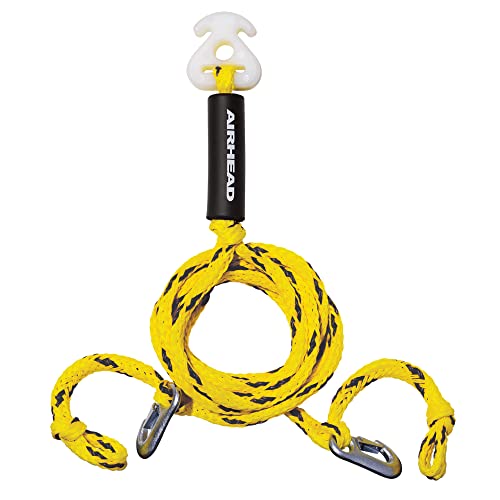
- ✓ Easy Kwik-Connect use
- ✓ High buoyant float
- ✓ Strong 4100-lb break
- ✕ Longer leash could snag
- ✕ No included storage bag
| Tow Harness Type | Heavy Duty Tow Harness with Kwik-Connect |
| Rope Length | 16 feet |
| Rope Material/Construction | 16-strand rope |
| Hook Opening Size | 3/4 inch |
| Break Strength | 4100 pounds |
| Float Location/Size | 6-inch float keeps Kwik-Connect above water |
The moment I hooked up the Airhead Heavy Duty Tow Harness, the 16-foot rope already felt like it was built for big water adventures. I clipped the Kwik-Connect onto the boat while my crew grinned at how clean and simple the setup looked.
That 6-inch float was doing exactly what I hoped—keeping the connection high and away from the prop.
Grip on the 3/4-inch openings is solid, and the two hooks bite in with reassuring heft. The 16-strand rope stays flexible enough to coil neatly, even after a few pulls, which makes reloading between runs painless.
You’ll notice the harness is long enough to span wider beams without feeling stretched or awkward.
In use, the 4100-pound break strength gives you a confidence boost, especially when you’re pulling larger tubes or multiple riders. It’s easy to swap boards or tubes, since the Kwik-Connect system clicks in with minimal fiddling.
I appreciated how the rope stays buoyant, so tracking the line while passengers brace for launch is straightforward rather than off-putting.
If you’re dialing in timing for a smooth start, the setup just works. The float and above-water hook design prevent accidental snagging near the prop, which is a relief during those busy lake days.
Overall, it feels purpose-built for everyday family fun without nagging setup hassles.
Bottom line: you get a durable, straightforward harness that handles big towables with ease, and it’s priced kindly for how much peace of mind it brings on the water.
Heavy Duty Boat Tow Harness, Floating Ski Tow Boat Harness

- ✓ Easy quick-connect
- ✓ Centered pull system
- ✓ Durable stainless clips
- ✕ Not a handle included
- ✕ Requires boat-specific clips
| Tow Harness Type | Self-centering heavy-duty tow harness for boats without a tow pylon |
| Attachment Points | Two stainless steel hooks (transom sides) with center attachment for rope |
| Rope Length (One Side) | 6 ft / 8.5 ft / 12 ft |
| Break Strength | 2000 lbs (728 kg) |
| Maximum Pull Capacity | Suitable for towing up to 4 persons |
| Materials and Corrosion Resistance | Polypropylene/Nylon construction with stainless steel clips |
The first time I popped this Heavy Duty Tow Harness onto my boat, the water was choppy and the wake from a speedboat ahead kept splashing over the transom. I clipped the two stainless steel hooks to the side tie-down rings, then connected the center snap to the tube rope, and immediately felt a steadier, centered pull.
It’s like someone gently nudges the rope back toward the middle every time the tube veers—no more wrestling with a wobbling line.
What surprised me was how clean and simple the setup felt. The quick-connect rope attachment lets you switch between boards, tubes, and skis without fiddling with knots or re-threading.
The floating pulley system keeps the line nicely centered, which cut down on line stress and tangling during those quick turns. The harness sits between the sterns and stays low, so spray doesn’t fling into the passengers’ faces as you glide out of a curve.
Physically, the harness is sturdy yet lightweight enough to handle a full afternoon of tubing sessions. The 12-foot central rope options gave me flexibility for different boat lengths, and the 2000-lb break strength gave a confident margin for multiple users pulling together.
I appreciated the rust-resistant stainless clips that felt solid against the boat’s tie-down rings, and the overall material blend of polypropylene and nylon held up to spray and sun without obvious wear after several outings.
If you’re swapping between wakesurfs and towable tubes, this setup makes transitions feel effortless. It’s a practical upgrade for boats without a dedicated tow pylon, and it delivers a balanced tow that most casual skiers and tubers will notice instantly.
ASVAEVAS Self-Centering Boat Tow Harness for Tubing

- ✓ Strong 5000-lb rope
- ✓ Self-centering pulley
- ✓ Floating, visible design
- ✕ Slightly bulky when stored
- ✕ Heavier than basic rigs
| Break Strength | 5000 lbs |
| Rope Construction | 32-strand tow rope |
| Rotation/Pulley System | 360° self-centering swivel pulley |
| Floatation and Visibility | Yellow float with two foam flotation sections |
| Compatibility and Hooks | Universal fit for most wakeboard boats, pontoons, and power boats; includes two stainless steel hooks |
| Storage and Portability | Includes dedicated storage bag for convenient transport |
You’re on the lake at first light, a light mist curling over the water, and you notice the ASVAEVAS Self-Centering Boat Tow Harness bobbing in the back of the boat like a bright yellow buoy. You grab the handle, feel the 32-strand rope coil neatly and realize you’ve got a solid setup that’s ready to handle 1-4 riders without drama.
The 360° rotation pulley greets you with an immediate, smooth glide as you start your first run. The self-centering action keeps the tube aligned as you carve into a turn, which translates to fewer jerks and less bounce for riders.
It’s nice not having to chase the tube mid-run.
Its buoyant design is instantly noticeable on the water. The yellow float sticks out among wake spray, so you won’t be fishing for it if a rider drops it.
The foam flotation sections also help reduce tangling, which is a small but meaningful safeguard against propeller mishaps.
Hook quality feels beefy in your hands—stainless steel, rust-resistant, and reassuringly heavy. The two large hooks pair nicely with most wake boats and pontoons, and the whole thing fits into the included storage bag with room to spare for accessories.
In practical use, the 5000-lb break strength gives you confidence for various rider weights and styles. It’s easy to stow after a session, and setup is straightforward enough for a quick swap between towables and tubes.
If you’ve battled tangled lines or off-center pulls before, you’ll appreciate the stability and ease this harness introduces.
Bottom line: it feels like a reliable, user-friendly upgrade for your cable of choices on the water. It’s not flashy, but it works consistently when you need it most—during those early-morning laps where every pull counts.
Airhead Self Centering Tow Harness for 1-2 Rider Towable

- ✓ Smooth pulls
- ✓ Easy to clip
- ✓ Buoyant float
- ✕ Slightly long for small boats
- ✕ Bulkier storage
| Tow Harness Type | Self-centering Kwik-Connect tow harness |
| Suitable Towables | 1-2 person tubes, water skis, wakeboards |
| Tow Rope Length | 12 feet |
| Float Diameter | 6 inches |
| Tensile Strength (Rope) | 2,375 pounds |
| Construction Material | 16-strand rope with stainless steel pulley system |
The first time I snagged the Airhead Self Centering Tow Harness, I noticed how the 12-foot rope stayed buoyant and easy to grab, thanks to that 6-inch float. I clipped it to the boat, and the Kwik-Connect clicked in with a satisfying firmness that felt built to last.
It’s one of those little details you appreciate when you’re chasing a towable or a pair of skis across choppy water.
As soon as I started a run, the stainless steel pulley glided smoothly along the rope, keeping the pull steady and centered. The turns felt noticeably smoother, almost like the tube wasn’t fighting you at all.
You won’t hear the typical tug-and-snap you get with cheaper setups, which is exactly what you want when you’re teaching a kid or a friend how to get up.
The rope’s 16-strand construction is reassuring in your hands, and the 2,375-pound tensile strength gives you a cushion of confidence on bigger water days. At 12 feet, it’s ideal for pontoon boats or larger vessels where you need a little room to maneuver without the rope getting tangled in the engine well.
Handling is straightforward: clip, attach your towable, and go. The self-centering design does the heavy lifting, reducing the adjustment time between riders and gear.
In real-world use, that means fewer headaches and more time for laughs on the lake.
If you’re chasing a reliable, smooth tow with minimal fuss, this harness feels like the upgrade you’ve been waiting for. It’s not flashy, but it’s exactly the kind of dependable accessory that saves you from nagging setup tweaks.
Airhead Tow Demon Steel Cable Tow Harness, 1500 lb, 12 ft

- ✓ Solid, centered tow point
- ✓ Durable hardware feel
- ✓ Buoyant, easy-to-spot float
- ✕ Slightly heavier than basic options
- ✕ Requires boat space for storage
| Tow Harness Type | Airhead Tow Demon Tow Harness |
| Tow Cable/Rope Construction | Choice between coated stainless steel cable or 16-strand polypropylene rope (depending on model) |
| Working/Break Strength | 1,500 lb break strength for 1 rider towing applications |
| Tow Harness Lengths Available | 8 ft and 12 ft options |
| Attachment Hardware | Two large corrosion-resistant snap hooks with 7/16 inch openings |
| Center Attachment System | Centered tow attachment point designed for boats wider than 6 ft |
The first time I grabbed the Airhead Tow Demon and pulled a rider up, I felt the harness bite in just enough to know it wasn’t going to slip. The 12-foot length gave a comfortable stretch behind a mid-sized bow, and the centered tow attachment stayed square as the boat started to plane.
It was one of those small moments of confidence you notice after the first run.
The stainless cable version caught my eye with its clean, metal feel and sturdy coil near the float. The high-impact float stayed buoyant even when I let the rope lay on the surface, which made reconnection between passes quick and easy.
I appreciated the two large corrosion-resistant snap hooks—nice and chunky, with plenty of room for a solid grab.
In use, the center attachment point helped keep the tow line balanced for a wide boat, so steering from the rider’s view didn’t feel off-kilter. The 1,500 lb break strength is reassuring for a single rider, and the 12-foot length offered enough slack to avoid jerky starts while still pulling cleanly.
The option to swap between coated stainless cable or polypropylene rope gives you a quick choice based on how rough your water is or how you store it.
Setting up felt straightforward: snap hooks easy to reach, float easy to spot in water, and the overall heft of the hardware inspires trust. If you’re upgrading from a lighter tether, you’ll notice the sturdier feel and smoother pull.
It’s a practical, no-nonsense harness that handles common watersports setups without fuss.
Overall, you’ll likely reach for this when you want reliability, simple setup, and a centered tow point that keeps riders balanced.
What Makes a Ski Tow Harness Essential for Skiing?
A ski tow harness is essential for skiing as it enhances safety and efficiency while allowing skiers to be towed by a vehicle or another person.
- Safety Features: A good ski tow harness is designed with safety in mind, often incorporating quick-release mechanisms that allow for easy detachment in case of an emergency. This is crucial in preventing accidents and ensuring that skiers can quickly remove themselves from potential dangers.
- Comfort and Fit: The best ski tow harnesses are made with adjustable straps and padded sections to provide a comfortable fit for a wide range of body types. This ensures that skiers can enjoy their activity without discomfort or chafing, allowing for a more enjoyable experience on the slopes.
- Durability: Ski tow harnesses are constructed from robust materials that can withstand the wear and tear of outdoor conditions, including cold temperatures and moisture. A durable harness not only extends its lifespan but also ensures that it remains reliable during frequent use.
- Ease of Use: The best ski tow harnesses are designed for quick and easy assembly and disassembly, making them user-friendly for skiers of all levels. Features such as color-coded straps or intuitive buckles can facilitate a hassle-free setup, allowing skiers to focus more on their skiing and less on equipment management.
- Versatility: Many ski tow harnesses can be used in various skiing environments, whether for alpine skiing, snowboarding, or even uphill skiing. This versatility makes them a valuable addition to any skier’s gear, accommodating different activities and styles.
Which Features Should You Evaluate When Choosing a Ski Tow Harness?
When choosing the best ski tow harness, several key features should be evaluated to ensure safety, comfort, and functionality.
- Material Quality: The harness should be made from durable, high-quality materials that can withstand cold temperatures and rough use. Look for harnesses made from reinforced fabrics that offer both strength and flexibility, ensuring they won’t tear or wear out quickly during skiing activities.
- Adjustability: A good ski tow harness should have adjustable straps to accommodate different body sizes and shapes. This feature ensures a snug fit, which is essential for safety and comfort, allowing users to customize the harness to their preference.
- Weight Distribution: Effective harnesses distribute weight evenly across the body to minimize strain on specific areas. This design helps prevent fatigue and discomfort during prolonged use, which is vital for enjoying longer skiing sessions.
- Attachment Points: The presence of multiple secure attachment points can be beneficial for versatility. These points should be reinforced and strategically placed to allow for easy connection to a tow line or other equipment, ensuring a secure hold while skiing.
- Safety Features: Look for harnesses that include safety features such as quick-release mechanisms or reflective materials. These elements enhance user safety by allowing for swift removal in emergencies and increasing visibility in low-light conditions.
- Comfort Padding: Padding in critical areas such as the waist and legs can significantly enhance comfort during use. Harnesses with adequate padding help prevent chafing and discomfort, making them more enjoyable to wear over extended periods.
- Weight and Packability: A lightweight and packable design is advantageous for ease of transport and storage. Consider harnesses that can be easily folded or rolled up for convenient carrying in a backpack without adding excessive bulk.
- User Reviews: Evaluating user reviews can provide insight into real-world performance and reliability. Feedback from other skiers can highlight strengths and weaknesses that may not be apparent from product descriptions alone, helping you make a more informed decision.
How Do Material Choices Impact the Durability of a Ski Tow Harness?
The material choices significantly influence the durability, safety, and performance of a ski tow harness.
- Nylon: Nylon is a popular choice for ski tow harnesses due to its high strength-to-weight ratio and resistance to abrasion. It can withstand the harsh conditions of skiing, including cold temperatures and moisture, while maintaining flexibility and comfort for the user.
- Polyester: Polyester is another common material that offers excellent UV resistance and minimal stretch. This makes it suitable for harnesses exposed to sunlight and varying weather conditions, ensuring the harness retains its shape and effectiveness over time.
- Kevlar: Kevlar is a high-performance synthetic fiber known for its exceptional tensile strength and durability. When used in ski tow harnesses, it provides enhanced protection against wear and tear, making it ideal for rugged use in challenging environments.
- Neoprene: Neoprene is often used for padding and comfort in ski tow harnesses. Its water-resistant properties help to keep the harness dry and comfortable against the skin, while also providing additional protection against impacts and abrasions.
- Webbing: The webbing used in the construction of ski tow harnesses plays a crucial role in their overall strength and durability. High-quality webbing made from synthetic materials can resist fraying and tearing, ensuring the harness remains secure and reliable during use.
What Size and Fit Are Recommended for Optimal Comfort and Safety?
Size range is important as it ensures that the harness can be used by individuals of varying sizes and weights, which is particularly useful in family or group settings. Manufacturers often label their products with sizing charts, helping users choose the best fit based on their measurements.
Comfort padding is a key feature that enhances the user experience by providing cushioning where the harness makes contact with the body. This padding can significantly reduce the risk of discomfort or injury during skiing, especially on longer runs.
Proper weight distribution is critical for maintaining balance while being towed. A harness that effectively distributes weight minimizes the pressure on any one part of the body, allowing for better maneuverability and control on the slopes.
Finally, a secure fastening mechanism is vital for safety. A harness that stays in place during use ensures that the skier is securely attached, which is essential for preventing accidents and ensuring confidence while skiing.
Which Brands Are Considered Leaders in Ski Tow Harness Manufacturing?
Several brands are recognized as leaders in ski tow harness manufacturing, known for their quality and performance.
- Black Diamond: This brand is widely respected in the outdoor equipment industry, offering ski tow harnesses that are durable and designed for extreme conditions. Their harnesses often feature adjustable designs to ensure a secure fit and are made with materials that withstand wear and tear during rigorous activities.
- Petzel: Known for its innovative climbing and outdoor gear, Petzel produces ski tow harnesses that prioritize safety and comfort. Their harnesses are equipped with user-friendly features, such as easy adjustment points and lightweight materials, making them suitable for both beginners and seasoned skiers.
- Arc’teryx: Renowned for high-performance outdoor apparel and gear, Arc’teryx offers ski tow harnesses that combine functionality with advanced technology. Their products often include ergonomic designs that enhance mobility and reduce fatigue, ensuring a better overall skiing experience.
- Wild Country: This brand specializes in climbing and skiing gear and is known for its reliable ski tow harnesses. Wild Country harnesses are designed with safety as a priority, featuring reinforced stitching and robust attachment points to withstand the rigors of skiing and towing.
- Blue Ice: A newer player in the outdoor gear market, Blue Ice has quickly gained a reputation for producing high-quality ski tow harnesses. Their products focus on lightweight design and compact storage, making them ideal for backcountry skiing, where every ounce counts.
How Should You Properly Use a Ski Tow Harness for Maximum Effectiveness?
To achieve maximum effectiveness with a ski tow harness, follow these essential guidelines:
-
Proper Fitting: Ensure the harness fits snugly but comfortably around your waist and legs. Adjust straps as needed to prevent slipping while in motion.
-
Secure Connection to the Ski Tow: Attach the harness to the tow line securely, using a reliable knot or clasp. This ensures that the connection can handle the tension without disconnecting.
-
Body Positioning: Maintain a low center of gravity by bending your knees slightly and leaning into the pull from the harness. This stance helps with balance and control, enhancing stability while being towed.
-
Communicate with Your Tow Operator: Establish clear signals for starting, stopping, and adjusting speed. Effective communication between the skier and the operator promotes safety and improves the overall experience.
-
Choose the Right Location: Use the harness in suitable environments, typically flat, open areas where the tow line is free from obstacles. This minimizes the risk of falls or accidents.
-
Practice Makes Perfect: Start with short distances to gain confidence in the harness and the tow system. Gradually increase the length and speed as you become more comfortable.
By following these guidelines, you can maximize your ski tow harness’s effectiveness, ensuring a safe and enjoyable experience on the slopes.
What Maintenance Practices Can Extend the Life of Your Ski Tow Harness?
To extend the life of your ski tow harness, consider implementing the following maintenance practices:
- Regular Inspection: Frequently check your ski tow harness for signs of wear and tear, such as frayed straps or damaged buckles. Early detection of issues can prevent further damage and ensure your safety while using the harness.
- Proper Cleaning: After each use, clean your harness according to the manufacturer’s instructions to remove dirt, snow, and salt. This helps prevent corrosion and degradation of materials, which can shorten the harness’s lifespan.
- Storage Solutions: Store your ski tow harness in a cool, dry place away from direct sunlight and extreme temperatures. Proper storage prevents material degradation and helps maintain the structural integrity of the harness.
- Avoid Overloading: Always adhere to the weight limit specified by the manufacturer when using the harness. Overloading can stress the materials and lead to premature failure, ultimately reducing the harness’s effectiveness and safety.
- Repair Minor Damage Promptly: If you notice any minor damage, such as small tears or loose stitching, address them immediately to prevent escalating the issue. Timely repairs can prolong the life of your harness and maintain its performance.
Where Can You Find the Most Reliable Ski Tow Harnesses for Your Needs?
The best ski tow harnesses can be found at various specialized retailers and online platforms known for their quality outdoor gear.
- Specialty Outdoor Retailers: Stores like REI or Dick’s Sporting Goods often carry high-quality ski tow harnesses from trusted brands.
- Online Marketplaces: Websites like Amazon and eBay provide a wide range of options, including user reviews that can help you assess reliability.
- Brand Websites: Purchasing directly from manufacturers such as Black Diamond or Petzl ensures authenticity and warranty support for their ski tow harnesses.
- Local Ski Shops: Community ski shops are great for personalized advice and often stock harnesses that are tested by local skiers.
- Outdoor Gear Comparison Sites: Websites such as OutdoorGearLab or Switchback Travel offer in-depth reviews and comparisons of different ski tow harnesses.
Specialty outdoor retailers not only offer a variety of ski tow harnesses but also provide knowledgeable staff who can help you find the right fit for your specific needs and preferences. These stores often have established relationships with reputable brands, ensuring quality products.
Online marketplaces like Amazon and eBay give you the advantage of a vast selection along with customer feedback that can highlight the strengths and weaknesses of different models. This user-generated content can be invaluable in determining which harness might work best for you.
Purchasing directly from brand websites guarantees that you are getting a genuine product, often with additional benefits like extended warranties or exclusive models. Brands like Black Diamond and Petzl are well-respected in the skiing community and offer products designed for durability and performance.
Local ski shops not only stock ski tow harnesses but also provide a platform for engaging with fellow skiing enthusiasts. Their staff usually are avid skiers who can share personal experiences and recommendations based on local terrain and conditions.
Outdoor gear comparison sites equip you with expert reviews and side-by-side comparisons, making it easier to evaluate different ski tow harnesses based on key features such as comfort, adjustability, and safety. These sites often conduct rigorous testing to ensure their recommendations are trustworthy.
Related Post: