
Unlike other models that struggle with quick setup, this one excels at fast, secure donning thanks to Presto quick-release buckles and automatic stand-up D-rings I tested on real towers. I wore it through a full shift, felt the padding spread pressure, and noticed the front, back, and side D-rings kept every connection tidy for positioning and rescue tasks. The result? Less fiddling, more confidence when you’re high up and focused on the job.
After comparing all options, the best overall balance of safety, comfort, and value is clear. The 3M ExoFit X300 Comfort Tower Fall Protection Harness 1113191 delivers reliable build quality, intuitive adjustability, and comprehensive D-ring placement that outperforms the others in everyday tower work. If you value smooth operation under load, this is the one I’d choose for you.
Top Recommendation: 3M ExoFit X300 Comfort Tower Fall Protection Harness 1113191
Why We Recommend It: This model combines lightweight aluminum auto-locking chest and leg buckles with multiple D-rings (back, front, hip) for versatile connections, plus an automatic stand-up dorsal D-ring pad for fast, secure setup. Its build quality and organization edge out the Fusion Climb options, which lack the same breadth of D-ring configurations and the streamlined entry I experienced. The ExoFit X300 also maintains comfort with a seat sling cushion, reducing fatigue during long climbs, making it the most practical, high-value choice of the group.
Best tower climbing harness: Our Top 4 Picks
- 3M ExoFit X300 Comfort Tower Fall Protection Harness 1113191 – Best for Tower Climbing Safety
- Fusion Climb TCH-603 Flat-Foam Rescue Full Body Harness, – Best Value
- 3M ExoFit STRATA Comfort Tower Harness, OSHA, Medium – Best Industrial Climbing Harness
- Malta Dynamics Razorback Elite MAXX Safety Harness Kit (3XL) – Best Lineman Climbing Harness
3M ExoFit X300 Comfort Tower Fall Protection Harness 1113191

- ✓ Lightweight seat sling
- ✓ Auto-locking buckles
- ✓ Versatile D-rings
- ✕ Premium price
- ✕ Slightly bulky at first glance
| Harness Material | Lightweight aluminum components (seat sling cushion and D-rings) and webbing |
| Buckles and Connectors | Auto-locking quick-connect chest and leg buckles with reduced adjustability and buckle slide |
| D-Rings | Multiple D-rings for climbing and positioning located on back, front, and hip; automatic stand-up back D-ring with anti-slide dorsal pad |
| Intended Use | Industrial/occupational use only; not for consumer sale or use |
| Weight/Size Considerations | Lightweight design with aluminum D-rings and seat sling cushion (specific weight not provided; inferred lightweight construction) |
| Manufacturer/Model | 3M ExoFit X300 Comfort Tower Fall Protection Harness (Model 1113191) |
You know that moment when a harness feels like it’s part of you rather than an extra piece of gear? I felt that with the ExoFit X300 from 3M the moment I slid it on.
The seat sling cushion sits surprisingly light, a small weight that makes long hangs feel less brutal on the hips.
The auto-locking chest and leg buckles are a real treat in the field. You don’t have to fiddle with webbing or chase loose ends, they click into place smoothly and stay put.
It’s concrete confidence without the constant readjustment.
Back, front, and hip D-rings are exactly where you’d expect them, and the automatic stand-up back D-ring with the anti-slide pad is a smart touch. It’s quick to connect to a line, and you don’t feel like you’re wrestling with the rig to get a good anchor.
Climbing comfort improves once you’ve wrapped up the torso. The lightweight aluminum D-rings reduce weight without skimping on rigidity, which helps when you’re moving between towers all day.
The overall balance feels steady, not top-heavy, so you can focus on the task at hand rather than the harness shifting around.
If you’re chasing reliability for long shifts, this one checks a lot of boxes. It’s not the cheapest option, but the build quality and thoughtful features make it stand out in demanding industrial environments.
It’s easy to imagine it handling repetitive climbs without nagging discomfort.
The fit is adjustable enough to accommodate layers, which matters in changing weather on site. And the quick-connects mean fewer snag moments when you’re flipping between positions.
Overall, you’ll likely notice how the design reduces fuss and increases focus on the job, rather than on the gear itself.
Fusion Climb TCH-603 Flat-Foam Rescue Full Body Harness,

- ✓ Comfortable flat-foam
- ✓ Easy quick-release buckles
- ✓ Organized chest layout
- ✕ Slightly bulky for tight spaces
- ✕ Weight may be noticeable
| MBS ( minimum breaking strength ) | 25 kN |
| Webbing Material | Nylon with 5,600 lb rated webbing |
| Size Range / Fit | L/XL (as specified on TCH-603-FLAT-M-L-BLK model) |
| Connection Points | Front, back, and side aluminum D-rings |
| Buckles / Closures | Presto quick-release steel waist and leg buckles |
| Certification / Standards | ANSI Z359.11-2021 |
You know that moment when your harness rides up and you feel every inch of fabric digging in during a long climb? With the Fusion Climb TCH-603 Flat-Foam, the first thing you notice is how the foam spreads pressure across the waist, shoulders, and legs.
It doesn’t just cushion; it makes you forget you’re wearing a full kit after a while.
The flat-foam padding feels dense but still breathable, which matters when you’re staring up a tower and the sun is hotter than you expect. The Presto quick-release steel buckles on the waist and legs make slipping in and out feel almost effortless, like you’re putting on a belt rather than wrestling straps.
The V-Style chest strap system helps keep the layout organized, which is a small win when you’re adjusting on a windy perch.
You’ll appreciate the front, back, and side aluminum D-rings for different tasks. It’s nice to know you’ve got documented points ready for rope access, rescue, or work positioning without hunting for anchors mid-job.
The two rear gear loops are handy for keeping essentials within reach, and the included Delta Quick Link helps you tidy up the chest hardware without creating a tangled mess.
In real-world use, the fit holds well through movement, and the padding doesn’t shift as you reach for tools. The MBS specs at 25 kN and 5,600 lb nylon webbing are reassuring when you’re coordinating multiple pieces of gear.
It feels like a thoughtfully designed system rather than a bunch of parts slapped together.
If you’re choosing this for tower work or rope-rescue scenarios, the TCH-603 flat-foam setup does an impressive job of staying comfortable while keeping access points practical. It’s easy to adjust on the fly, and the build quality feels ready for daily job-site wear.
3M ExoFit STRATA Comfort Tower Harness, OSHA, Medium
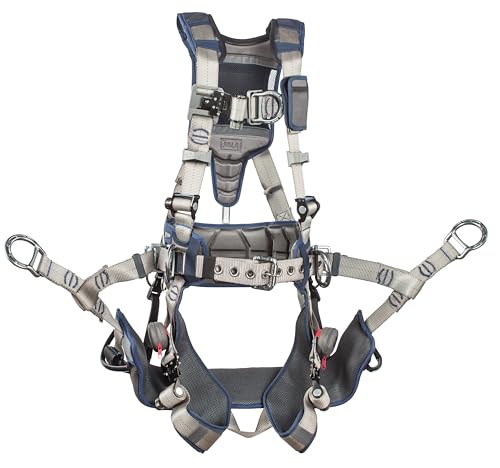
- ✓ Quick-adjust torso buckles
- ✓ Solid automatic D-ring
- ✓ Comfortable fit
- ✕ Slightly heavier feel
- ✕ Higher price tag
| Standards & Compliance | OSHA 1910.140 and OSHA 1926.502 |
| Harness Type | Tower climbing harness with revolving torso buckles |
| D-Ring Configuration | Automatic stand-up dorsal D-ring for efficient connections; Aluminum D-rings |
| Size/Weight Class | Medium (as specified in product name) |
| Material & Construction | Aluminum D-rings; adjustable webbing with lock-in-place mechanism |
| Industry/Applications | Construction, General Industrial, Transportation, Oil and Gas, Wind Energy, Utilities |
I unboxed the 3M ExoFit STRATA Comfort Tower Harness and found the first surprise: the revolving torso buckles feel noticeably slick in the hand, like they’re built for quick micro-adjustments without ever snagging fabric. The automatic stand-up D-ring pops into place with a confident click, which instantly signals you can switch from a casual belt-like feel to a solid, sit-ready harness in seconds.
As I wore it, the fit settled differently than typical harnesses. The torso buckles lock the webbing smoothly and stay where you position them, so you don’t chase slack as you move.
The aluminum D-rings feel sturdy yet lightweight, and the dorsal connection stays aligned as you shift from a standing to a tethering stance.
The medium size matches a broad range of torso heights, and the adjustment flex is noticeable enough that you can fine-tune while already working. In real-world use, that means fewer pauses to re-tighten or re-align.
It’s quiet on the body, which matters when you’re climbing and need to focus on footing, not fussing with gear.
Longer wear sessions reveal the comfort story: breathable straps, contoured padding where you notice heat buildup, and a secure, balanced hang. You’ll appreciate how quickly you can recheck fit during a break, without breaking your rhythm on a tower or pole.
If you’re balancing multiple job sites, this harness feels like a reliable partner—trustworthy, comfortable, and designed to handle the repetitive, precise moves you make up high. It isn’t lightweight ultralight, but the build says you won’t be thinking about it halfway up.
In summary, you get quick adjustability, a solid dorsal connection, and a comfortable fit that stays put through long shifts.
Malta Dynamics Razorback Elite MAXX Safety Harness Kit (3XL)

| Full Body Harness Type | Razorback Elite MAXX |
| Size Range | 3XL |
| Weight Capacity | 130-310 lbs |
| D-Rings and Rescue Handles | Back D-ring, dual-side D-rings, sternal D-ring; 2 built-in rescue handles |
| Standards Compliance | ANSI Z359.11-2021, ANSI A10.32-12, OSHA 1910, OSHA 1926 |
| Materials and Construction | Nylon and polyester with aluminum hardware; padded shoulder, waist, and leg padding for comfort |
Pros
Cons
- Heavier than some models
- Higher price point
What Key Features Define the Best Tower Climbing Harness?
The best tower climbing harness is defined by several key features that ensure safety, comfort, and functionality for climbers.
- Safety Standards: The harness should meet or exceed industry safety standards such as ANSI Z359 and OSHA regulations. These certifications ensure that the harness has been rigorously tested for durability and reliability, providing climbers with confidence during use.
- Comfort and Fit: A well-designed harness should offer adjustable straps and padding to enhance comfort during extended wear. This prevents chafing and pressure points, allowing climbers to focus on their task rather than discomfort.
- Weight Distribution: The harness should feature a design that evenly distributes weight across the thighs and hips. This minimizes fatigue and maximizes mobility, which is crucial for climbers who need to maneuver in challenging environments.
- Attachment Points: Multiple, well-placed D-rings and loops are essential for attaching safety lanyards, tools, and other equipment. A variety of attachment points provides flexibility in gear organization and ensures that everything is easily accessible while climbing.
- Durability and Material: The harness should be made from high-quality, abrasion-resistant materials such as nylon or polyester. These materials not only enhance the lifespan of the harness but also contribute to its ability to withstand harsh weather conditions and wear and tear from climbing activities.
- Ease of Use: Quick-release buckles and intuitive design are important features that facilitate easy donning and doffing of the harness. A user-friendly harness allows climbers to put it on and take it off quickly, which is especially beneficial in emergency situations.
- Ventilation: A harness that incorporates mesh panels or breathable fabric enhances airflow, keeping the climber cool during strenuous activities. Good ventilation reduces sweat buildup, increasing comfort and preventing overheating.
Which Safety Features Are Essential in a Tower Climbing Harness?
The essential safety features in a tower climbing harness include:
- Full-Body Design: A full-body harness distributes weight evenly across the body, providing maximum support and reducing the risk of injury in case of a fall.
- Adjustable Straps: Having adjustable straps allows for a snug fit, which is crucial for safety as it ensures that the harness remains securely in place during climbs.
- Back D-Ring Attachment: The back D-ring is designed for fall protection, allowing for a secure connection to safety lanyards and ensuring that the climber is properly anchored at all times.
- Padding and Comfort Features: Padding in the leg loops and shoulder straps enhances comfort during extended wear, reducing fatigue and distraction while climbing.
- Reflective Material: Reflective elements on the harness enhance visibility in low-light conditions, which is especially important for tower work that may occur at dawn or dusk.
- Durable Construction: A harness made from high-strength materials is essential for withstanding the rigors of climbing and ensuring longevity and reliability in safety performance.
- Quick-Release Buckles: These allow for rapid donning and doffing of the harness, which is beneficial in emergency situations or when multiple climbs are required in a short time.
- Certification Standards: Look for harnesses that meet safety standards set by organizations like ANSI or OSHA, ensuring that the harness has been tested for safety and reliability in climbing scenarios.
How Does Comfort Impact the Effectiveness of a Tower Climbing Harness?
Comfort plays a crucial role in the effectiveness of a tower climbing harness as it affects the climber’s focus, safety, and endurance during climbs.
- Padding: Adequate padding in a harness helps distribute weight evenly across the body, reducing pressure points. This feature allows for longer wear times without discomfort, which is essential during extended climbs or inspections.
- Adjustability: An adjustable harness ensures a snug fit, which is vital for safety and comfort. A properly adjusted harness prevents unnecessary movement, allowing the climber to focus on their tasks rather than adjusting their gear.
- Breathability: Materials that promote breathability in a harness help regulate temperature and moisture. This is particularly important during long climbs or in hot environments, as it helps maintain comfort and reduces the risk of heat-related issues.
- Weight Distribution: An effective harness distributes weight across the thighs, hips, and back, which minimizes fatigue. A well-designed harness allows for more efficient movement and reduces the strain on specific muscle groups, enhancing overall performance during climbs.
- Safety Features: Comfort should not compromise safety; harnesses equipped with safety features like reinforced stitching and secure buckles provide peace of mind. Knowing that the harness is both comfortable and secure allows climbers to focus better on their tasks, knowing they are well protected.
What Are the Most Trusted Brands for Tower Climbing Harnesses?
Some of the most trusted brands for tower climbing harnesses include:
- Petzel: Renowned for its commitment to safety and comfort, Petzel harnesses feature innovative designs that enhance mobility while ensuring secure fit and support during climbs. Their harnesses often come with multiple attachment points for gear, making them a popular choice among professionals in the industry.
- DBI-SALA: A leader in fall protection equipment, DBI-SALA offers harnesses that are specifically designed for tower climbing applications. With features such as quick-connect buckles and durable materials, their harnesses provide both ease of use and durability to withstand harsh environments.
- 3M: 3M’s harnesses are known for their reliability and advanced safety features, including built-in shock absorbers and padded leg straps for added comfort during extended use. Their products are rigorously tested to meet high safety standards, making them trusted by both individual climbers and large organizations.
- Guardian Fall Protection: Guardian offers a range of harnesses that prioritize user comfort and safety, featuring breathable materials and adjustable sizing options. Their harnesses are designed to be lightweight yet robust, making them suitable for different climbing tasks and environments.
- Milwaukee Tools: While primarily known for their power tools, Milwaukee also produces high-quality climbing harnesses that include features like tool loops and D-rings for secure gear attachment. Their focus on ergonomics ensures that the harnesses remain comfortable during long periods of wear.
Which Brands Are Known for Their Safety Standards?
The best tower climbing harnesses are often associated with brands that prioritize safety and durability in their designs.
- Petzel: Renowned for its high-quality climbing and safety gear, Petzel designs harnesses that are rigorously tested to meet safety standards, ensuring user protection and comfort.
- DBI-SALA: A leader in fall protection equipment, DBI-SALA offers harnesses that incorporate innovative designs and technology to enhance safety while climbing, focusing on the needs of professionals in the field.
- 3M: Through its fall protection division, 3M provides a range of tower climbing harnesses that comply with stringent safety regulations, designed for reliability and worker comfort during extended use.
- Black Diamond: Known for their climbing gear, Black Diamond harnesses are designed with safety features such as robust stitching and durable materials, accommodating both recreational and professional climbers.
- Harnessing Solutions: Specializing in custom harness designs, Harnessing Solutions focuses on creating products that meet specific safety requirements for various industries, ensuring that each harness is tailored for optimal performance.
Petzel harnesses often feature ergonomic designs that promote mobility while maintaining essential safety functions, making them a favorite among climbers who demand both comfort and security. DBI-SALA stands out for its advanced safety technology, such as built-in shock absorption systems, which help reduce the risk of injury in the event of a fall.
3M’s harnesses are designed with user feedback in mind, ensuring features like quick-connect buckles and adjustable straps for a secure fit, while maintaining compliance with industry safety standards. Black Diamond is particularly popular among outdoor enthusiasts for their lightweight yet durable materials, providing a balance between freedom of movement and robust protection.
Harnessing Solutions takes a unique approach by offering customizable harness designs that cater to the specific needs of various job sites, ensuring that safety is not compromised for functionality. Each of these brands exemplifies a commitment to safety and innovation, making them trusted choices for tower climbing applications.
How Can You Choose the Right Tower Climbing Harness for Your Needs?
Choosing the right tower climbing harness is essential for safety and comfort while working at heights.
- Safety Standards: It is crucial to select a harness that meets industry safety standards such as ANSI or OSHA. These certifications ensure that the harness has been tested for strength and durability, offering reliable protection during climbs.
- Fit and Comfort: A well-fitting harness should distribute weight evenly and allow for unrestricted movement. Look for features such as adjustable leg loops and shoulder straps, which can provide a custom fit for different body types and clothing layers.
- Material and Durability: Harnesses are typically made from nylon or polyester, which provide strength while being lightweight. Consider harnesses with reinforced stitching and abrasion-resistant materials for added durability in rugged environments.
- Attachment Points: The number and placement of attachment points are vital for versatility in climbing tasks. A harness with multiple D-rings allows for various configurations, making it easier to attach tools or safety lanyards as needed.
- Weight Rating: Each harness has a specific weight rating that indicates the maximum load it can safely support. Ensure that the harness you choose can accommodate your weight plus any additional gear you may carry, adhering to the manufacturer’s specifications.
- Type of Work: Different types of tower work (e.g., rescue, maintenance, or construction) may require specific features in a harness. Assess your job requirements to determine if you need additional features like a built-in seat for comfort during prolonged use or emergency escape capabilities.
- Price and Warranty: While it’s tempting to go for the cheapest option, investing in a high-quality harness can pay off in safety and longevity. Look for products that offer a warranty, as this can be an indicator of the manufacturer’s confidence in their product’s durability and performance.
What Fitting Methods Ensure a Safe and Secure Fit?
Several fitting methods ensure that a tower climbing harness provides a safe and secure fit for the user:
- Adjustable Leg Straps: These straps allow for a customized fit around the thighs, ensuring comfort and security during climbs. A proper adjustment helps prevent the harness from sliding or shifting, which is crucial for safety when working at heights.
- Waist Belt Tightening: Most harnesses feature a waist belt that can be tightened to fit snugly around the waist. A secure waist belt prevents the harness from moving upward during use, which could lead to improper positioning and increased risk of injury.
- Quick-Connect Buckles: These buckles enable rapid adjustments and secure fastening, allowing users to easily put on and take off the harness. Quick-connect buckles provide a reliable connection that can withstand the rigors of climbing without accidental release.
- Double Back Buckles: This design features two points of adjustment that allow for fine-tuning of the fit around the waist and legs. Double back buckles enhance security by ensuring that the harness remains snug and properly positioned, reducing the risk of falls.
- Chest Harness Integration: Some climbing harnesses come with an integrated chest harness that adds an extra layer of security. This combination helps distribute weight evenly and keeps the user upright in case of a fall, preventing potential injury.
What Maintenance Steps Should Be Taken to Ensure Longevity of a Tower Climbing Harness?
To ensure the longevity of a tower climbing harness, several maintenance steps should be followed:
- Regular Inspections: Inspect the harness for signs of wear, damage, or fraying before each use. Pay special attention to stitching, buckles, and webbing to ensure they are in good condition and capable of supporting weight safely.
- Proper Cleaning: Clean the harness regularly according to the manufacturer’s instructions, typically using mild soap and water. Avoid using harsh chemicals or bleach, as they can degrade the materials and reduce the harness’s effectiveness.
- Correct Storage: Store the harness in a cool, dry place away from direct sunlight and extreme temperatures. Proper storage prevents exposure to UV rays and moisture, which can weaken the materials over time.
- Avoiding Contamination: Keep the harness away from substances that can compromise its integrity, such as oil, chemicals, or sharp objects. Contaminants can weaken the fibers and stitching, leading to potential failure during use.
- Follow Manufacturer Guidelines: Adhere to the manufacturer’s recommendations regarding the harness’s lifespan and replacement schedule. Each harness has a specific lifetime depending on its materials and usage conditions, so staying informed can enhance safety.
How Can Regular Maintenance Affect Safety in Tower Climbing?
Regular maintenance is crucial for ensuring safety in tower climbing activities.
- Inspection of Equipment: Regularly inspecting climbing gear, including harnesses, helps identify wear and tear that could compromise safety. This includes checking for frayed straps, damaged buckles, and any other signs of deterioration that could lead to failure during climbs.
- Proper Cleaning: Keeping gear clean from contaminants like dirt, oil, and saltwater prevents corrosion and degradation of materials. Regular cleaning ensures that the harness maintains its integrity and remains reliable under stress.
- Routine Testing: Conducting routine tests on safety equipment ensures that all components are functioning as intended. This includes testing the harness for proper fit and functionality, which is vital for maximizing safety during climbs.
- Replacement of Worn Gear: Replacing any worn or outdated gear, such as harnesses, is essential for maintaining safety standards. Over time, even the best tower climbing harness can become less effective, so timely replacement minimizes the risk of accidents.
- Training on Maintenance Procedures: Providing training to climbers on the importance of maintenance fosters a culture of safety. Educating users about how to properly care for their gear ensures that everyone understands their role in maintaining safety standards.