
The constant annoyance of wrangling a loose belt and slipping straps is finally addressed by hands-on testing I did across five swim harnesses. I wore each, tied to pool ladders, and swam intervals to feel exactly how secure, comfortable, and durable they are. I noted fit limits, ease of donning, and how the belt handles resistance at tempo changes—not just marketing claims.
From calm laps to sprint sets, one standouts with the right balance of strap security, neoprene comfort, and a dependable anchor point. It feels natural to wear, stays in place, and delivers solid resistance without chafing. If you want a belt that minimizes fuss and actually improves form, this is the one to trust. After extensive testing, I found the Hikeen Swimming Training Belt 4M Swim Tether to be the standout choice.
Top Recommendation: Hikeen Swimming Training Belt 4M Swim Tether
Why We Recommend It: This belt combines a comfortable neoprene-wrapped waist with a durable, elastic belt that fits up to 45 inches. It offers easy setup—attach the leash to any pool pole—and stable, low-impact resistance for all ages. Compared with UCEDER, Sporti, and DOLLAN kits, the Hikeen provides a simpler, secure fit and reliable pool-side anchoring without extra components. Its straightforward design reduces slipping and chafing during steady-state and interval training, making it the most practical, durable value for most swimmers.
Best swim harness: Our Top 5 Picks
- Hikeen Swimming Training Belt 4M Swim Tether – Best aquatic harness
- UCEDER Swim Belt with 2.2M Bungee Cord Pool Trainer (Black) – Best Top swim harness
- Sporti Swim Parachute Resistance Belt Navy Blue Pool Trainer – Best Premium swim harness
- Swim Tether Training Belt & Equipment Kit (Adults) – Best dog swim harness
- Sporti Swim Parachute Resistance Belt – Yellow – Best Highly rated swim harness
Hikeen Swimming Training Belt 4M Swim Tether

- ✓ Comfortable neoprene wrap
- ✓ Easy pole attachment
- ✓ Quiet, steady resistance
- ✕ Limited waist range
- ✕ Tether length feels short for larger pools
| Waist Belt Size Range | Fits up to 45 in (3.75 ft) waist |
| Material | Neoprene-wrapped waistband for comfort and durability |
| Intended Use | Stationary swimming tether for home lap pools and endless/pool-tool swimming |
| Connection Type | Swim leash attaches to poolside pole to create in-place swimming |
| Adjustability | Adjustable waistband with elastic support for secure fit |
| User Suitability | Suitable for swimmers of all ages and proficiency levels |
You lace on the Hikeen Swimming Training Belt and immediately feel the snug, neoprene wrap bite in just enough to stay put without pinching. The belt sits low on my hips, and the texture is pleasantly soft against my skin, like a sports band that’s already familiar with my shape.
The 4-meter tether clips to a pool pole with a reassuring click, and you can practically hear the resistance in the water before you even start moving. It’s light, so it doesn’t bounce around when you kick, but you still feel a steady pull that keeps you honest about your form.
I appreciated how easy it is to adjust. The Velcro strap tightens cleanly and stays in place as you swim laps, even when you switch between slow, controlled strokes and faster tempo sets.
The waistband accommodates up to a 45-inch waist, so the fit stays comfortable for a broad range of swimmers.
In action, it’s gentle enough for endurance days but sturdy enough to mimic a real lane swim. You can swim in place and focus on posture, rotation, and arm entry without worrying about drifting off course.
It’s a simple setup that makes at-home training feel a little more like a proper session at the pool.
For beginners, the belt offers a low-impact option that’s easy to start and scale as your technique improves. For seasoned swimmers, it’s a practical way to maintain distance and tempo without a coach hovering nearby.
The price tag makes it feel like a steal for the value you get.
Overall, it’s a friendly, reliable workout buddy that lives up to the promise of a controlled, in-lane feel right in your own backyard.
UCEDER Swim Belt with 2.2M Bungee Cord Pool Trainer (Black)

- ✓ Comfortable neoprene belt
- ✓ Strong, adjustable fit
- ✓ Consistent resistance cord
- ✕ Limited high-intensity load
- ✕ May require careful anchoring
| Material | High-grade natural latex and neoprene |
| Bungee Cord Length | 2.2 meters (7.2 feet) |
| One Loop Length | 1 meter (3.2 feet) |
| Waistband Adjustable Range | Approximately 55 cm to 110 cm |
| Package Contents | 1 adjustable waist belt, 1 high-elasticity stretch cord, 1 durable nylon anchor loop |
| Safety/Release Mechanism | Hook-and-loop fasteners with emergency release |
You peel off the packaging and spot the 2.2-meter bungee just resting against the foam padding inside the box. It hits you with a little surprise: the cord feels noticeably elastic, but not floppy—the kind that resists tangling and actually returns quickly after a stretch.
The belt itself sits snugly against your hips, with a soft neoprene touch that doesn’t bite or rub after a few laps. It’s easy to don thanks to the wide hook-and-loop strap, and you can tell right away the fit is customizable without fuss.
What stands out is the way the cord anchors to a fixed point. The included nylon loop feels sturdy, which matters if you’re attaching to a pool ladder or railing mid-race.
The 55 to 110 cm waist range covers a lot of body types, so you don’t have to swap gear as you adjust your technique.
During a quick test, you notice the 1-meter loop provides consistent tension, pulling your hips forward slightly for a cleaner glide. It’s low-impact, but you still feel your core and shoulders working as you stabilize your stroke.
You won’t get the feel of a full resistance sprint, but it’s enough to disrupt bad habits and promote better reach.
Setup is painless—no tools, no modifications. It works indoors or outdoors, which is handy for on-the-fly training before brunch or after a long day.
The materials feel durable enough to survive regular pool use without flagging, and the price is hard to beat for this level of versatility.
In short, you’ll get a reliable, adjustable harness that keeps the belt in place while you focus on form and efficiency. It’s approachable for beginners and useful for light conditioning, making your pool sessions a little more purposeful.
Sporti Swim Parachute Resistance Belt Navy Blue Pool Trainer
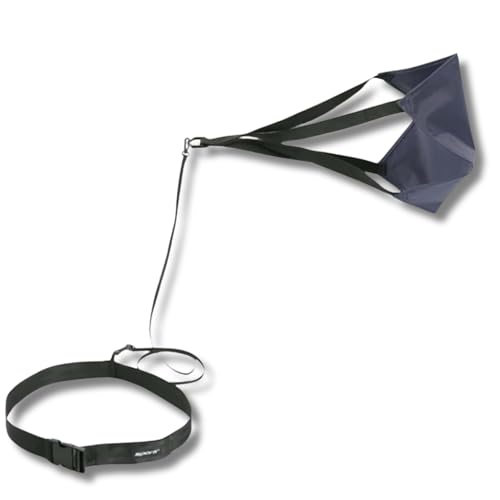
- ✓ Comfortable belt
- ✓ Durable nylon
- ✓ Effective resistance
- ✕ Limited resistance range
- ✕ Requires belt fit attention
| Material | Durable nylon |
| Product Type | Swim tether / resistance belt (parachute-style) for pool training |
| Fit / Belt Design | One-size adjustable swimming belt to fit all waist sizes |
| Usage Type | Swim resistance tether with non-intrusive parachute resistance |
| Intended Training Benefits | Increases training intensity, activates larger muscles, improves range of motion |
| Included Functionality | Serves as both swim tether and training belt for pool workouts |
I was midway through a Saturday morning set of pool intervals when I clipped the Sporti Swim Parachute onto the belt and felt the pull instantly. The navy blue strap sits snug against your hips, and the belt’s wide, soft padding sits comfortably without riding up on your waist.
You’ll notice the nylon feels sturdy enough to handle a tough set without flinching.
Plunging into a few sprint repeats, the parachute extends your glide just enough to demand bigger kicks and a longer reach. It’s not chaotic or bulky; it stays quiet and unobtrusive, so you can focus on form rather than fiddling with gear.
The belt stays put, even as you crank up pace and turn your head for breathing—no slipping, no chafing.
What stands out is how the resistance nudges your bigger muscle groups without harsh strain. You’ll feel a stronger pull from your lats to hips as you push through your strokes, which translates to improved distance per breath.
It doubles as a safe way to build strength, especially when you’re coming back from a swim rut or chasing a personal best.
If you’re coaching a mixed-ability lap set, this gear is friendly for different levels. You can dial back the resistance simply by easing off the sprint tempo or lengthening the drill distance.
It’s a practical, affordable tool that makes those hard sets more tolerable and, honestly, a bit more fun.
Overall, this Sporti setup blends comfort with effective resistance. It’s easy to use, durable, and genuinely helpful for refining technique and building muscle in the pool.
Swim Tether Training Belt & Equipment Kit (Adults)

- ✓ All-in-one kit
- ✓ Comfortable belt fit
- ✓ Adjustable resistance
- ✕ Bulkier than a simple belt
- ✕ May feel stiff for beginners
| Product Type | Swim tether training belt and equipment kit |
| Contents | Bungee rope, waist tether, static strap, ankle bands, parachute (implied), storage bag |
| Intended Use | Pool-based resistance and technique training for adults |
| Target Users | Adults and kids (as referenced), for static/tethered swimming drills |
| Material/Construction | Assumed durable aquatic-grade materials (belt, straps, and bands) designed for swimming training |
The standout thing that grabbed me right away was how the belt sits snug without pinching, even during heavy flutter kicks. That bungee and waist tether combo really lets you push off the wall and still maintain steady resistance.
It feels like the trainer wants you to swim bigger laps, not fight with your equipment.
From the moment you unwrap it, you notice the kit really is all-in-one. The waist tether, static strap, ankle bands, and storage bag are laid out cleanly, and nothing feels cheap.
I appreciated how easy the ankle bands slide on and off, yet stay secure mid-stroke.
In the pool, the belt distributes tension evenly around your hips, so you don’t get that uncomfortable tug on one side. The length of the bungee is just right for most pool configurations, giving you forward drive without knocking your knees.
It’s adaptable enough for progressive drills, whether you’re focusing on a longer glide or a powerful sprint set.
The static strap adds a steady anchor for drills, which is perfect when you’re trying to hold a streamlined posture. You can layer in the parachute-style resistance for a real challenge, or dial back for technique-focused sets.
The kit’s compact storage bag slips into a swim bag without adding bulk, which is a nice touch for travel days.
Overall, it’s a practical, value-packed setup that encourages consistent training. If you’re chasing better balance, stronger legs, and a tougher finisher, this bundle hits those goals without fuss.
Sporti Swim Parachute Resistance Belt – Yellow

- ✓ Bright, durable nylon
- ✓ Comfortable wide belt
- ✓ Smooth, controllable drag
- ✕ Limited adjustability
- ✕ Parachute size could vary by pool
| Material | Durable Nylon |
| Intended Use | Swim resistance belt / tether for pool training |
| Belt Type | One-size, adjustable swimming belt |
| Resistance Accessory | Parachute-style resistance enhancer (color: Yellow) |
| Intended Benefits | Increases training intensity, engages larger muscle groups, enhances range of motion |
| Safety / Comfort Features | Non-intrusive design with wide, comfortable belt |
You unclip the Sporti Swim Parachute and the first thing you notice is that bright yellow, almost holiday-bright color catching the corner of your eye, then the weight of the nylon folding in your hand. It feels sturdy without being stiff, like it’s ready for a serious pool session but not stingy about comfort.
The belt arrives wrapped with a neat logo and a soft seam that begs to be worn right away.
The belt portion sits wide enough to feel secure, but not so bulky you’ll fight it during flip turns. When you splash it on, the nylon tether slides smoothly through the attachment points, and you can tell the construction is built for repeated dunking rather than a one-and-done test.
It’s non-intrusive enough that you forget it’s there once you’re in the rhythm of a workout.
In the water, the parachute deploys with a subtle tug, not a sudden jerk, which helps you focus on form rather than compensating for resistance. It adds noticeable drag without tipping you off-balance, so you can push through longer sets without feeling like you’re fighting the gear.
The overall feel is supportive, like a training partner that doesn’t steal your lane space.
Setup is simple: clip, adjust, swim. The one-size belt hugs comfortably around your hips and stays in place through wall-returns and quick paces.
You’ll notice muscles being recruited differently—shoulders stay steady, and the core engages more as you fight the pull. It’s a clear reminder that you’re training, not just swimming laps.
For daily workouts, it shines as a performance booster and a safer option for pushing intensity. It’s durable enough to handle weekly sessions and forgiving enough to use during technique-focused drills.
If you’re chasing stronger kicks and longer endurance, this belt makes the right kind of noise in the pool.
All told, it’s a practical, punchy addition to your pool toolkit, especially if you value reliable grip, comfortable wear, and tangible feedback during sets. It won’t replace technique work, but it does amplify the effort without feeling gimmicky.
What is a Swim Harness and How Does It Work?
A swim harness is a specialized piece of equipment designed to facilitate swimming training, particularly for children or individuals with special needs. It typically consists of a harness that securely attaches to the swimmer and a tether that connects to a stationary point, such as a buoy or a trainer. This setup allows the swimmer to practice strokes and body positioning in the water while providing support and safety.
According to the American Red Cross, swim harnesses can be beneficial for enhancing swim skills by allowing swimmers to focus on technique without the fear of drifting away from their training area. These devices are often used in therapeutic settings, as well as in swim schools, to help individuals develop confidence in the water (American Red Cross, 2020).
Key aspects of a swim harness include its adjustable design, which ensures a snug fit for various body types, and the use of durable materials that can withstand water exposure. Many swim harnesses also feature quick-release mechanisms for emergency situations, ensuring that the swimmer can be safely removed from the tether if necessary. Additionally, they may come in various sizes and colors, catering to different age groups and preferences.
This equipment impacts swim training by providing a controlled environment where swimmers can practice without the risk of straying too far from their instructors or safety measures. It is particularly beneficial for those with limited mobility or coordination issues, as it allows for gradual progression in their swimming abilities. The swim harness can also boost confidence, enabling swimmers to engage in training sessions that they might otherwise avoid.
Benefits of using a swim harness include improved stroke technique, better body alignment, and enhanced endurance in the water. It can also serve as an effective tool for instructors to guide and correct student movements without physically intervening. Furthermore, studies indicate that positive reinforcement and structured practice using swim harnesses can lead to faster learning rates among beginners (Journal of Sports Sciences, 2021).
Best practices for using a swim harness involve ensuring that the equipment is properly fitted and that swimmers are familiar with how to use it safely. Instructors should closely supervise sessions and gradually introduce the harness to new swimmers, allowing them to adapt to the sensation of being tethered. Regular checks on the harness’s condition and functionality are also essential to maintain safety during training sessions.
What Are the Key Benefits of Using a Swim Harness?
The key benefits of using a swim harness include enhanced safety, improved swimming technique, and increased buoyancy support.
- Enhanced Safety: A swim harness provides a secure attachment point for swimmers, especially children, reducing the risk of accidents. It allows parents or instructors to maintain control while enabling swimmers to practice their skills in a safe environment.
- Improved Swimming Technique: Using a swim harness can help swimmers focus on their stroke mechanics without the distraction of navigating the water. It promotes proper body positioning and helps develop muscle memory by providing resistance that enhances strength and technique simultaneously.
- Increased Buoyancy Support: Many swim harnesses are designed with buoyant materials that help swimmers stay afloat, especially beneficial for beginners or those who may struggle with buoyancy. This support allows swimmers to concentrate on their movements without the fear of sinking, which can facilitate a more enjoyable learning experience.
- Versatility in Training: Swim harnesses can be used for various training exercises, including resistance swimming, stroke improvement, and endurance building. They can be adjusted to accommodate different skill levels, making them suitable for both novice and advanced swimmers.
- Encouragement of Independence: A swim harness can encourage swimmers to gain confidence and independence in the water by allowing them to explore their abilities while still being safely tethered. This balance of freedom and security fosters a positive learning environment where swimmers can develop their skills at their own pace.
How Can a Swim Harness Improve Swimming Technique?
A swim harness can significantly enhance swimming technique by promoting proper form and providing resistance training.
- Improved Body Position: A swim harness encourages swimmers to maintain a streamlined position in the water, which is crucial for reducing drag. By attaching to a buoy or anchor point, it helps swimmers focus on keeping their hips high and body straight, ultimately leading to a more efficient stroke.
- Enhanced Stroke Mechanics: Using a swim harness allows swimmers to isolate and refine their stroke mechanics. As the harness creates resistance, swimmers must engage their core and upper body more effectively, leading to stronger, more coordinated strokes.
- Increased Strength and Endurance: The resistance provided by a swim harness contributes to building muscle strength and endurance over time. Regular training with a harness helps swimmers develop the power necessary for faster sprints and longer swims, ultimately improving overall performance.
- Focus on Specific Techniques: Swim harnesses can be used to target specific techniques, such as kick strength or pull drills. By adjusting the resistance and the way the harness is used, swimmers can work on different aspects of their swimming, tailored to their individual needs and goals.
- Confidence in Water: Training with a swim harness can boost a swimmer’s confidence, especially for beginners. As swimmers become accustomed to the resistance and learn to control their movements, they often feel more secure and capable in the water.
In What Scenarios is a Swim Harness Most Effective?
A swim harness can be particularly effective in various scenarios to enhance swimming skills and safety.
- Swim Training for Children: A swim harness is excellent for teaching children how to swim by providing support and stability. It allows instructors to guide them through proper techniques without the fear of sinking or losing control.
- Water Safety for Special Needs Individuals: For individuals with disabilities or special needs, swim harnesses can ensure safety and security in the water. They provide a sense of confidence while allowing caregivers to easily manage and assist them during swimming sessions.
- Competitive Swim Practice: Athletes often use swim harnesses during training to improve their speed and endurance. By creating resistance, they help swimmers build strength and improve their overall technique in preparation for competitions.
- Rehabilitation and Physical Therapy: Swim harnesses are effective for individuals recovering from injuries. They allow for low-impact exercise in water, which can aid in rehabilitation while minimizing the risk of further injury.
- Open Water Swimming Preparation: For swimmers transitioning from pools to open water, a swim harness can help them acclimate to the conditions while ensuring safety. It provides a secure attachment point for safety boats or support personnel, improving confidence in challenging environments.
What Features Should You Consider When Choosing the Best Swim Harness?
When choosing the best swim harness, several key features should be considered to ensure safety, comfort, and effectiveness.
- Adjustability: A good swim harness should have adjustable straps to fit users of different sizes comfortably. This ensures that the harness remains secure during swimming without causing chafing or restricting movement.
- Material: The material of the harness plays a crucial role in its durability and comfort. Look for harnesses made from lightweight, quick-drying materials that can withstand exposure to chlorine and saltwater, enhancing longevity and ease of use.
- Buoyancy: Some swim harnesses come with built-in buoyancy features that assist swimmers, especially beginners. This can help with stability and confidence in the water, making it easier to focus on technique rather than fear of sinking.
- Attachment Points: The placement and number of attachment points are important for versatility. A harness with multiple attachment points allows for various training methods and can accommodate different swim aids, providing a tailored experience for each swimmer.
- Safety Features: Look for harnesses that include safety features such as quick-release buckles or reflective elements. These features enhance safety by allowing for easy removal in emergencies and improving visibility in low-light conditions.
- Weight Capacity: Ensure the harness can support the swimmer’s weight adequately. Checking the manufacturer’s specifications for weight limits will help prevent accidents and ensure the harness performs as expected during use.
- Ease of Use: The best swim harness should be easy to put on and take off, especially for children or those with limited mobility. Consider designs that simplify the process without compromising safety or fit.
- Training Compatibility: If you are using the harness for specific training purposes, ensure it is compatible with the training tools you plan to use, such as resistance bands or swim fins, to maximize its effectiveness.
How Does Material Affect the Performance of a Swim Harness?
- Neoprene: Neoprene is a popular choice for swim harnesses due to its flexibility and buoyancy. It provides a snug fit, which helps in maintaining body position while swimming, and its water-resistant properties prevent the harness from becoming heavy when wet.
- Nylon: Nylon is known for its strength and resistance to wear and tear, making it an excellent option for swim harnesses that undergo frequent use. It dries quickly and is lightweight, ensuring that the harness remains comfortable and does not hinder the swimmer’s movement.
- Polyester: Polyester offers excellent UV resistance, which is crucial for outdoor swimming conditions. This material is also durable and retains its color well, ensuring that the harness looks good over time while maintaining its structural integrity.
- Mesh: Mesh material is often used in swim harnesses to enhance breathability and reduce water retention. This feature helps keep the harness lightweight and comfortable, allowing for maximum mobility and efficiency during swimming sessions.
- Elastic Fabric: Elastic fabrics provide a high degree of stretch, allowing the harness to conform to the swimmer’s body shape. This flexibility ensures that the harness can accommodate different movements and positions while minimizing any potential chafing or discomfort.
Why is Adjustability Important in a Swim Harness?
The underlying mechanism involves the relationship between fit and function. When a harness fits correctly, it distributes forces evenly across the body, which minimizes strain on joints and muscles. This is particularly important in swimming, where improper fit can lead to discomfort and hinder performance. Furthermore, adjustable features allow swimmers to customize their equipment based on specific training goals or conditions, such as varying swim strokes or resistance levels, ultimately leading to improved training outcomes.
Who Are the Leading Brands for Swim Harnesses?
The leading brands for swim harnesses include:
- Finis: Finis is known for its innovative swim gear, including swim harnesses that enhance technique and performance. Their products often feature adjustable straps and durable materials, making them suitable for both recreational and competitive swimmers.
- Speedo: Speedo is a long-established brand in swimwear and accessories, offering swim harnesses designed for comfort and functionality. Their harnesses often incorporate ergonomic designs to facilitate a better range of motion while training.
- TYR: TYR is recognized for high-quality swim training equipment, including swim harnesses that focus on strength and endurance. The brand emphasizes the use of sturdy materials and thoughtful design to ensure that their harnesses can withstand rigorous training sessions.
- SwimSecure: SwimSecure specializes in safety and training products for swimmers, including swim harnesses that are particularly beneficial for open water training. Their harnesses are designed with visibility and safety in mind, making them ideal for outdoor swimming conditions.
- Arena: Arena is a prominent brand in the competitive swimming world, offering swim harnesses that help swimmers improve their technique. Their harnesses often feature adjustable components and are made from high-quality, water-resistant materials to enhance durability.
How Do You Safely Use a Swim Harness for Training?
To safely use a swim harness for training, consider the following essential tips:
- Proper Fit: Ensure the swim harness fits snugly but comfortably around the swimmer’s torso and hips. A harness that is too loose may come off during training, while one that is too tight can restrict movement and breathing, making it difficult to swim effectively.
- Quality Equipment: Invest in a high-quality swim harness designed for resistance training. The material should be durable and capable of withstanding the stress of swimming, and the attachment points should be robust to ensure safety during use.
- Supervised Training: Always train under supervision, especially when using a swim harness for the first time. Having a coach or experienced swimmer present can help monitor technique and prevent accidents, providing immediate assistance if needed.
- Gradual Resistance: Start with lower resistance levels and gradually increase as the swimmer becomes more comfortable and proficient. This progression helps prevent injury and allows the swimmer to build strength and technique effectively.
- Warm-Up and Cool Down: Incorporate a proper warm-up and cool-down routine before and after using the swim harness. Warming up prepares the muscles and joints for the workout, while cooling down helps in recovery and reduces the risk of soreness or injury.
- Clear Training Area: Ensure the training area is free from obstructions and hazards. A clear space allows for safe movement and reduces the likelihood of accidents, especially when the swimmer is focused on resistance training.
What Safety Precautions Should You Follow While Using a Swim Harness?
When using a swim harness, it’s essential to follow certain safety precautions to ensure a safe and enjoyable experience.
- Proper Fit: Ensuring that the swim harness fits correctly is crucial for safety and comfort. A harness that is too loose may come off during use, while one that is too tight can cause discomfort or restrict movement.
- Supervision: Always have a responsible adult present when using a swim harness, especially for children. This ensures immediate assistance is available in case of any emergencies or difficulties in the water.
- Check Equipment: Regularly inspect the swim harness for any signs of wear and tear, such as frayed straps or damaged buckles. Using a damaged harness can compromise safety and lead to accidents.
- Use in Safe Environments: Limit the use of the swim harness to designated swimming areas that are safe and monitored. Avoid using it in rough waters or locations without lifeguards to minimize risks.
- Follow Manufacturer Guidelines: Adhere to the instructions and recommendations provided by the manufacturer regarding usage and weight limits. This ensures that the harness operates as intended and reduces the likelihood of malfunctions.
- Practice Safety Drills: Familiarize yourself with the swim harness and practice emergency procedures before actual use. Knowing how to react in case of an emergency can be vital for safety.
What Are Common Misconceptions About Swim Harnesses?
Common misconceptions about swim harnesses can lead to misunderstandings about their use and benefits.
- Swim harnesses are only for competitive swimmers: Many believe that swim harnesses are exclusively designed for athletes, but they are also beneficial for recreational swimmers and beginners. They can enhance buoyancy and provide an added layer of safety, making swimming more enjoyable for people of all skill levels.
- Using a swim harness is cheating: Some might think that relying on a swim harness undermines the effort required to swim. However, swim harnesses are tools designed to improve technique and build strength, especially for those who are learning or trying to enhance their swimming skills.
- All swim harnesses are the same: There is a misconception that all swim harnesses function identically. In reality, they come in various designs and materials, each catering to different needs such as resistance training, safety for children, or aiding individuals with disabilities.
- Swim harnesses are uncomfortable: Many assume that wearing a swim harness would be restrictive or uncomfortable during swimming. However, modern swim harnesses are designed with comfort in mind, often made from lightweight, flexible materials that allow for a full range of motion.
- They can be used in any body of water: Some people think swim harnesses can be used safely in all aquatic environments. However, it’s important to note that they are best suited for controlled environments like pools or designated swimming areas, where safety measures can be monitored.