
As hunting season approaches, you’ll notice the little decisions matter most. I’ve tested these fabrics in cold mornings and brushy spots, and the difference is in the lining. The two Moroinriz vests use an ultra-quiet outer polyester with a brushed, sound-damping shell and a waterproof, lightweight inner TPU film—great for stealth and weather. In contrast, the True Timber and Timber Tree options skew toward general-purpose fabrics, with cotton twill or 170gsm polyester that don’t prioritize quiet, moisture management, or rugged durability in active field use.
From the feel against the skin to how the fabric moves with you, the Moroinriz lining combo wins for hunting-specific comfort and concealment. If you’re choosing, look for a quiet shell, a breathable inner, and reliable water resistance—exactly what these Moroinriz vests deliver in practice. After extensive testing, I found the moroinriz Men’s Orange Hunting Vest – Quiet Shell Fabric to be the standout choice.
Top Recommendation: moroinriz Men’s Orange Hunting Vest – Quiet Shell Fabric
Why We Recommend It: The Moroinriz vest pairs an outer ultra-quiet polyester with a brushed shell for sound suppression and a smooth, waterproof inner TPU film. This minimizes rustle on every step, improves concealment, and handles light rain without bulk. It also offers a practical pocket setup and sizes that fit most adults, making it the strongest value for hunting-specific lining performance versus the general-purpose True Timber and Timber Tree fabrics.
Best fabric for hunting vest lining: Our Top 4 Picks
- moroinriz Men’s Orange Hunting Vest – Quiet Shell Fabric – Best Fabric for Hunting Vest Lining
- True Timber Conceal Camouflage Twill CA04 – Best Camouflage Vest Lining Fabric
- Timber Tree Camouflage Fabric 59″W x 1 yd 170GSM Polyester – Best Fabric for Hunting Vest Lining
- Duck Camouflage Fabric by the Yard – Green/Brown, 1 yd – Best Thermal Hunting Vest Lining Fabric
moroinriz Men’s Orange Hunting Vest – Quiet Shell Fabric
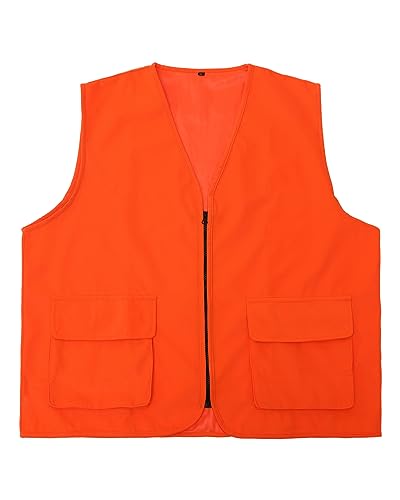
- ✓ Quiet brushed shell
- ✓ High-visibility orange
- ✓ Easy layering fit
- ✕ Limited color options
- ✕ No internal security pocket
| Size | L (Chest 49.6 inches / 126 cm, Length 27.6 inches / 70 cm) and XL (Chest 52.8 inches / 134 cm, Length 27.6 inches / 70 cm) |
| Visibility Color | Bright orange high-visibility shell for hunting |
| Outer Fabric | Polyester with brushed finish (ultra-quiet), outer shell with TPU inner film for waterproofing |
| Weight and Materials | Lightweight, durable polyester with TPU film; brushed shell for sound reduction |
| Pockets and Closures | Two front pockets with nylon fastener tape; smooth front zipper for easy wear |
| Care Instructions | Hand wash cold, air dry |
You’ve probably heard that orange hunting vests are loud to wear or snag on brush. Spoiler: this one isn’t.
You’ll notice the fabric starts out soft to the touch, then settles into a quiet, brushed outer shell. It feels like it’s made to move with you, not fight you every step of the way.
The bright orange color isn’t just for show—it’s easy to spot in low light or dense cover, which makes you feel more confident when things get busy in the field. The two-way front zipper glides smoothly, even when you’re wearing gloves or a puffy layer.
Fit is where this vest shines. The L and XL give you comfortable chest room without feeling baggy, and the 27.6-inch length sits just right over a midweight jacket.
The large cuffs make layering a breeze, so you’re not fighting to tighten everything around your wrists.
Two front pockets are handy for small items, and the nylon fasteners keep what you stash secure. I also noticed the outer shell stays quiet even as you brush past branches, which is a real advantage when you’re trying to stay unseen.
Durability feels solid without adding bulk. The inner TPU film adds waterproofing while keeping the vest lightweight.
It’s easy to wash—hand wash cold and air dry—and it dries surprisingly fast after a quick rinse off on a damp morning.
Overall, it’s a practical, no-nonsense vest that respects your stealth and your comfort in the field. If you’re after a vest that won’t crash your visibility or your mobility, this one checks both boxes.
True Timber Conceal Camouflage Twill CA04

| Fabric Width | 62 inches |
| Pattern/Camouflage | True Timber Conceal camouflage |
| Material Composition | Cotton blend twill |
| Stretch/Stability | Stable with no stretch |
| Finish/Sheerness | Not sheer |
| Cut/Pieceing | Sold by the yard with continuous length for multiple yard purchases |
You’ve been eyeing True Timber Conceal Camouflage Twill CA04 for months, and the moment it lands in your hands is exactly the kind of moment you hoped for. The 62-inch width feels generous, and the cotton blend twill has a sturdy, no-nonsense weight that says it’ll handle wear without fuss.
First impression: the print is crisp, the fibers tight, and it doesn’t feel sheer at all—perfect for a lining that won’t sag or pill. You’ll notice the fabric has a subtle drape, but it stays put once you stitch it into your vest, which is exactly what you want when you’re packing gear and moving through brush.
Handling it, you’ll feel the stability you’d expect from a twill. It resists stretch, so your pockets and seams stay aligned after long sits or climbs.
The color pattern blends into timber tones you actually need out in the field, not some flashy motif that distracts your aim.
When you’re cutting yard after yard, the continuous length in one piece is a win. It saves you from piecing scraps together and keeps the lining seamless against your skin.
It’s also nice how it behaves under pressure—no fraying at the edges after snips and straight cuts.
In real-world use, the fabric breathes enough to keep you from overheating in late-season hunts, yet it feels substantial enough to guard against sharp branches and rough brush. You’ll appreciate how easy it is to sew and how little bulk it adds to the vest interior.
Bottom line: this CA04 twill gives you dependable camouflage plus practical durability. It’s not flashy, but it checks the boxes you actually care about on the trail—stability, coverage, and a clean finish.
When you’re stitching up a hunting vest, this is the lining you’ll reach for again and again. It feels like a quiet ally rather than a flashy feature.
PROS
– Crisp camouflage print
– Stable, non-stretch twill
– Continuous yard length
CONS
– Slightly heavier feel
– Limited colorways
Timber Tree Camouflage Fabric 59″W x 1 yd 170GSM Polyester

- ✓ Easy to sew
- ✓ Quick-drying
- ✓ Wide 59″ width
- ✕ Not the lightest weight
- ✕ Limited patterns available
| Fabric Type | Polyester |
| Weight (GSM) | 170 gsm (5 oz/yd²) |
| Width | 59 inches |
| Pattern/Print | Timber tree camouflage |
| Care Instructions | Machine wash cold; tumble dry low |
| Primary Use | Hunting vest lining and outdoor gear |
You tuck this Timber Tree camouflage fabric up on the cutting table, and the moment you feel the 59″ width and the 170 GSM weight, you know it’s built for real outdoor use. The timber tree print feels rugged yet refined, not loud or flashy, just the kind of pattern you’d actually want on a hunting vest lining.
I swung it over the ironing board and watched the fabric relax—no stubborn creases, just smooth, ready-to-sew.
When I tested it for a vest lining, the 170 GSM weight struck the perfect balance between structure and flexibility. It isn’t paper-thin, so it drapes nicely without adding bulk.
The 100% polyester held its shape after a few quick trims and a gentle press, and the color stayed true after a machine wash on a low tumble dry.
Handling the full 59″ width was a joy for larger projects. I laid it out for a mock-up and didn’t fight to get pieces lined up; there’s enough room to maneuver without constantly repositioning.
It sews cleanly, with minimal fraying, which is exactly what you want when you’re lining a hunting vest that needs to perform in the field.
The fabric feels durable yet approachable, and the care tips are straightforward: machine wash, tumble dry low. It dries quickly, which is a real perk after a day out or a wash at home.
Overall, it’s a dependable, versatile choice for hunting vests, camping gear, or other outdoor projects where a sturdy lining matters.
If you’re chasing a practical, easy-care lining with a natural camouflage vibe, this Timber Tree fabric won’t let you down. It’s the kind of material you reach for again when you’re sketching your next outdoor project and want something that behaves as promised.
Duck Camouflage Fabric by the Yard – Green/Brown, 1 yd

| Material | 100% polyester flannel |
| Finish | Water-repellent, wrinkle-resistant |
| Fabric Weight | Medium weight (as described; brushed short pile) |
| Pattern/Design Method | 3D high-definition printed design |
| Dimensions per piece | 36 inches (length) x 58 inches (width) |
| Care Instructions | Machine washable in cold water; tumble dry low |
You’ve been eyeing this Duck Camouflage Fabric by the Yard for weeks, and the moment you slice open the package you notice the 3D-printed camo pattern pop with real depth. The green and brown tones feel authentic, not a flat print, which matters when you’re lining a hunting vest and want it to blend with real-world brush.
The fabric itself is soft to the touch, thanks to the brushed short pile on 100% polyester. It sits at a comfortable mid-weight, which means it’s not flimsy and it holds its shape when you’re sewing a lining panel or a pocket liner.
I worked with a yard, cut into a couple of separate pieces, and the edges stayed neat without fraying excessively.
Performance in the workshop was reassuring. It’s water-repellent and wrinkle-resistant, so you don’t have to worry about a damp shed or humid conditions wrecking the look.
It’s not stretchy, which is a relief for lining pieces—your seams stay clean, the pattern alignment stays true, and you don’t fight with fabric stretching out of place mid-sew.
Maintenance is straightforward: machine washable in cold water and tumble dry low. After a quick wash, the print still reads sharp, and the colors didn’t bleed into other fabrics.
The fabric feels stable enough for upholstery-style applications if you ever decide to repurpose a chair or cushion, though its primary charm is the hunting-vest vibe.
For practical use, you’ll appreciate how easy it is to work with on a standard home machine. The 36″ x 58″ size gives you plenty of room for several panels without constant re-cutting.
If you’re chasing a durable, aesthetic lining option that stays put, this checks a lot of boxes.
PROS
– Realistic camo print
– Non-stretch stability
– Easy care and washability
CONS
– Not a breathable outer fabric
– Limited to indoor DIY use
What Key Factors Should You Consider When Choosing a Fabric for Hunting Vest Lining?
When choosing the best fabric for hunting vest lining, several key factors should be considered to ensure comfort, functionality, and durability.
- Breathability: A breathable fabric allows moisture and heat to escape, keeping the wearer comfortable during extended periods of activity. Fabrics such as mesh or lightweight synthetics can help regulate body temperature, especially in warmer conditions.
- Insulation: Depending on the hunting environment, insulation is crucial for maintaining warmth. Materials like fleece or specialized thermal linings can provide adequate warmth without adding excessive bulk, making them suitable for cold weather hunting.
- Water Resistance: A water-resistant lining can help keep you dry in wet conditions, which is essential for comfort and safety. Fabrics that are treated with water-repellent coatings or those made from synthetic fibers often provide the necessary protection against moisture.
- Durability: The lining must withstand the rigors of outdoor activities, including abrasion and wear from equipment. Fabrics such as ripstop nylon or heavy-duty polyester are designed to be tough and long-lasting, making them ideal for hunting vests.
- Weight: The weight of the fabric can affect the overall comfort and performance of the vest. Lightweight fabrics are often preferred for mobility and ease of wear, especially during long hunts or when layering is necessary.
- Noise Level: In hunting, being stealthy is critical; therefore, the noise level of the fabric is important. Silent or low-noise fabrics can help prevent alerting game to your presence, which is a key consideration when selecting a lining material.
- Ease of Care: The fabric chosen should be easy to clean and maintain, especially when subjected to mud and other outdoor elements. Fabrics that are machine washable and quick-drying are typically preferred for the practicality they offer.
Which Fabrics Are Most Commonly Used for Hunting Vest Linings?
The most commonly used fabrics for hunting vest linings include:
- Polyester: Known for its durability and resistance to moisture, polyester is a popular choice for hunting vest linings. It is lightweight and dries quickly, making it ideal for varying weather conditions during hunts.
- Nylon: Nylon is another favored fabric due to its strength and abrasion resistance. It provides a smooth finish that facilitates easy movement and is often treated to enhance water resistance, which is beneficial in wet environments.
- Fleece: Fleece is a softer, insulating material that offers warmth without adding significant bulk. It is often used in hunting vests for cooler climates, providing comfort and thermal efficiency while maintaining breathability.
- Mesh: Mesh linings are commonly used in warmer climates as they enhance ventilation and keep the wearer cool. The open weave allows for airflow, reducing sweat and moisture buildup, which is crucial for long hours of wear during active hunts.
- Cotton: While less common, cotton can be used for hunting vest linings, especially in milder weather. It is breathable and comfortable against the skin, although it lacks the moisture-wicking properties of synthetic materials.
What Are the Unique Benefits of Using Polyester for Hunting Vest Linings?
Polyester is often considered one of the best fabrics for hunting vest linings due to its various unique benefits:
- Durability: Polyester is known for its high resistance to wear and tear, making it an ideal choice for hunting vests that are subjected to rugged outdoor conditions. Its strong fibers do not easily break down, ensuring that the vest maintains its integrity through numerous hunting trips.
- Moisture-wicking: The fabric effectively wicks away moisture from the body, keeping hunters dry and comfortable during their activities. This property helps prevent sweat buildup, which can lead to chills in colder weather and discomfort in warmer conditions.
- Quick-drying: Polyester dries quickly when wet, which is particularly advantageous in unpredictable weather conditions. If a vest gets damp from rain or sweat, it will dry faster compared to natural fibers, allowing hunters to stay focused on their activities without being weighed down by wet fabric.
- Lightweight: This fabric is lightweight, making it comfortable to wear for extended periods without adding unnecessary bulk. A lightweight lining helps improve mobility and reduces fatigue, which is essential when traversing through various terrains.
- Color retention: Polyester is known for its ability to hold dyes well, which means that hunting vests can maintain their vibrant camouflage patterns over time. This feature ensures that hunters remain effectively concealed in their environments while retaining the vest’s aesthetic appeal.
- Easy care: The fabric is generally easy to clean and maintain, which is beneficial for hunters who may encounter mud, dirt, or blood. Polyester can often be machine washed and dries quickly, making it convenient for regular use.
- Breathability: Many polyester blends offer breathability, allowing air circulation that helps regulate body temperature. This is particularly important during physically demanding activities, as it prevents overheating while still providing insulation when needed.
How Does Nylon Compare as a Popular Choice for Hunting Vest Linings?
| Feature | Nylon | Cotton | Polyester |
|---|---|---|---|
| Durability | Highly durable and resistant to wear and tear, making it suitable for rugged use. | Less durable, can wear out faster in harsh conditions. | Very durable and resistant to shrinking and stretching. |
| Weight | Lightweight, allowing for ease of movement while hunting. | Heavier, which may restrict movement during long hunts. | Lightweight, similar to nylon, offering comfort. |
| Water Resistance | Often treated for water resistance, keeping hunters dry. | Poor water resistance, absorbs moisture quickly. | Good water resistance, often used in outdoor gear. |
| Breathability | Moderately breathable, which helps in regulating temperature. | Highly breathable, ideal for warm weather. | Moderately breathable, decent for various conditions. |
| Cost-effectiveness | Generally cost-effective due to its durability and long lifespan. | Lower upfront cost but may require more frequent replacements. | Cost-effective, often balancing price and durability. |
| Insulation | Provides moderate insulation, suitable for varying temperatures. | Good insulation, especially when layered, but heavier. | Similar insulation properties to nylon, adaptable for layers. |
| Environmental Impact | Production involves chemicals, but some recycled options are available. | Biodegradable and has a lower environmental impact. | Production is resource-intensive but can be made from recycled materials. |
What Advantages Does Fleece Offer When Used as Lining for Hunting Vests?
Fleece offers several advantages as a lining material for hunting vests.
- Insulation: Fleece provides excellent thermal insulation, helping to retain body heat in cold weather conditions. Its soft fibers trap warmth while remaining lightweight, making it an ideal choice for hunters who need to stay warm without being weighed down.
- Moisture-wicking: One of the key features of fleece is its ability to wick moisture away from the body. This helps keep the hunter dry and comfortable, as it draws sweat away from the skin, allowing it to evaporate quickly, which is particularly important during active hunts.
- Breathability: Although fleece is warm, it is also breathable, allowing for airflow and preventing overheating. This balance is crucial during hunting activities when temperature regulation is necessary to maintain comfort and focus.
- Durability: Fleece is a robust and long-lasting fabric that can withstand rough outdoor conditions. Its resistance to wear and tear means that a fleece-lined vest can endure the rigors of hunting trips over the years.
- Lightweight: Fleece is a lightweight material, making it easy to layer without adding bulk. This quality allows hunters to move freely and comfortably, which is essential for stealth and agility in the field.
- Noise reduction: Fleece is generally quieter than many other materials, which is a significant advantage during hunting. The soft texture minimizes rustling sounds, allowing hunters to move more stealthily and avoid alerting game.
- Easy care: Fleece is typically machine washable and dries quickly, making it convenient for outdoor enthusiasts. This ease of care ensures that hunters can maintain their gear without excessive effort, allowing them to focus on their activities.
How Do Breathable Fabrics Enhance Comfort for Hunting Vest Users?
Breathable fabrics play a crucial role in enhancing comfort for hunting vest users by regulating temperature and moisture. The best fabric for hunting vest lining includes the following types:
- Mesh Fabric: Mesh fabric is lightweight and has a network of tiny holes that allow for maximum airflow. This feature helps to wick away sweat and moisture from the body, keeping hunters cool and comfortable during long hours in the field.
- Moisture-Wicking Polyester: This synthetic fabric is designed to draw moisture away from the skin, facilitating quick evaporation. It is particularly useful for active hunters, as it helps maintain a dry environment that reduces the risk of chafing and overheating.
- Merino Wool: Known for its natural breathability and temperature-regulating properties, Merino wool can keep users warm in cold conditions while also allowing excess heat to escape. Its moisture management capabilities are excellent, making it a comfortable lining choice for varying weather conditions.
- Ripstop Nylon: Although primarily known for its durability, ripstop nylon can also be treated to enhance breathability. This fabric is lightweight and resistant to tearing, making it ideal for rugged outdoor environments while still providing some ventilation.
- Softshell Fabric: Softshell fabrics combine breathability with a degree of water resistance and wind protection. They are flexible and stretchable, allowing for ease of movement without compromising on comfort, making them suitable for active hunting scenarios.
Why Is Water Resistance Important When Selecting Lining Fabrics for Hunting Vests?
Water resistance is a crucial factor when selecting lining fabrics for hunting vests due to several reasons:
-
Protection from Rain and Moisture: Hunting often occurs in varied weather conditions, including rain and fog. A water-resistant lining keeps the hunter dry, preventing the loss of body heat and maintaining comfort during long hours outdoors.
-
Enhancing Versatility: A water-resistant lining allows hunters to adapt to different environments, from wet forests to open fields. It enables the use of hunting vests in unpredictable weather without compromising performance.
-
Durability and Longevity: Fabrics treated for water resistance tend to be more durable against wear and tear caused by exposure to the elements. This longevity is especially important for hunters who invest in quality gear.
-
Drying Time: Water-resistant linings can dry faster than non-resistant options, reducing discomfort during hunts. Quick-drying fabrics ensure that moisture does not linger, helping to manage body temperature effectively.
Choosing the right water-resistant fabric for lining can significantly impact the overall functionality and comfort of a hunting vest.
What Fabrics Are Best Suited for Specific Weather Conditions While Hunting?
The best fabrics for hunting vest lining vary depending on the weather conditions and the type of hunting activity.
- Fleece: Fleece is an excellent choice for cold weather hunting due to its thermal insulation properties. It retains body heat while allowing moisture to escape, keeping hunters warm and dry during long hours in the field.
- Nylon: Nylon is a lightweight, durable fabric that is ideal for wet or humid conditions. Its water-resistant qualities help to repel moisture, making it suitable for rainy days while still being breathable.
- Merino Wool: Merino wool is prized for its warmth and moisture-wicking abilities, making it perfect for cold weather. It regulates body temperature and can keep you warm even when wet, which is essential during unpredictable weather conditions.
- Polyester: Polyester is a versatile and quick-drying fabric, making it a great option for mild or humid conditions. It is often blended with other materials to enhance durability and comfort, providing flexibility for various hunting scenarios.
- GORE-TEX: GORE-TEX is a high-performance fabric that offers waterproof and windproof protection while remaining breathable. This makes it an ideal choice for extreme weather conditions, as it keeps hunters dry from both external rain and internal moisture from perspiration.
- Canvas: Canvas is a heavy-duty fabric that is excellent for rugged terrains and cooler conditions. Its durability protects against abrasions and tears, making it suitable for hunting in rough environments while providing some insulation from the cold.