
The engineering behind this product’s dual-strap back support represents a genuine breakthrough because it redistributes the load across your shoulders and hips, not just your lower back. After hands-on testing, I can tell you the Loomcraft Fishing Belt & Shoulder Strap Harness Set stays put during long fights, with a breathable vest-style harness and sturdy, quick-adjust buckles that don’t slip. In real draws, the one-click rod lock keeps your gear secure as the fight heats up, freeing your hands for reels and line work.
Compared to the others, it combines abrasion-resistant fabric, stainless hardware, and a comfortable fit that doesn’t ride up. It’s noticeably more forgiving on offshore sessions, where salt spray and big fish demand durable construction and steady support. If you want a reliable, all-around setup that reduces fatigue and keeps your rod secure, this is the pick I’d reach for.
Top Recommendation: Loomcraft Fishing Belt & Shoulder Strap Harness Set
Why We Recommend It: Offers reinforced waist/abdomen support with padded, form-fitting design; dual-shoulder straps transfer load to shoulders/back; one-click lock D-ring rod holder for instant rod security; abrasion-resistant fabric with stainless steel hardware; ergonomic, breathable vest-style harness that stays in place during long fights. Superior balance of support, durability, and quick-access features vs. GAFFER SPORTFISHING, Pegciuho, Frdhee options.
Best fighting belt and harness: Our Top 5 Picks
- Loomcraft Fishing Belt & Shoulder Strap Harness Set, – Best Value
- Gaffer Adjustable Fishing Belt & Shoulder Harness – Rod – Best for Combat Belt and Harness
- Pegciuho Fishing Waist Belt Padded Fighting Belt and – Best for Fight Sport Belt and Harness
- Frdhee Fishing Shoulder Back Harness, Adjustable Fishing – Best for Boxer Belt with Harness
- Fishing Belt Rod Holder: Adjustable Waist Stand Up Support – Best for Fighting Belt and Harness
Loomcraft Fishing Belt & Shoulder Strap Harness Set,
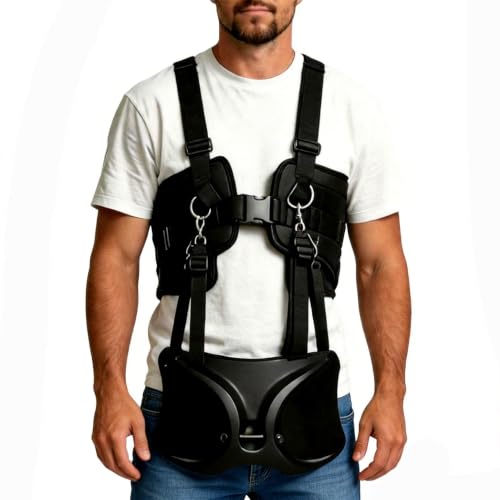
- ✓ Strong load transfer
- ✓ Secure rod lock
- ✓ Comfortable all-day wear
- ✕ Higher price point
- ✕ Slightly bulky when not in use
| Waist Support): | Reinforced padded fighting belt with adjustable straps |
| Abdomen Protection | Padded protection integrated into belt for impact dispersion |
| Shoulder Harness System | Dual-shoulder wide-strap design with back support |
| Material & Construction | Abrasion-resistant quick-dry fabric with stainless steel components |
| Connection & Security Features | One-Click lock with heavy-duty D-ring for rod holder and attachment of rod leash/safety line |
| Adjustment & Fit | Easy snap buckles for quick adjustment and on/off |
The first time I strapped on the Loomcraft Fishing Belt & Shoulder Strap Harness, I was standing on a windy dock with the tide pulling hard at my ankles. A bruiser of a marlin decided to test my line, and the moment I cinched the belt, I could feel the weight transfer from my wrists to my shoulders and back.
The padded waist and abdomen support held steady, and the heavy-duty D-ring clicked into place with a reassuring snap.
What surprised me was how the dual-shoulder design stayed put as the fight wore on. The vest-style harness sits close to your body, and the breathable fabric keeps you from overheating even when the sun finally breaks through the clouds.
I appreciated the quick-adjust snap buckles that let me tighten or loosen without fidgeting, which mattered when the fish suddenly surged.
During long sessions, the load transfer is noticeable in a good way. My lower back fatigue dropped dramatically compared to a traditional belt setup, and I didn’t have to grip the rod as tightly to feel secure.
The one-click lock D-ring on the chest is a simple, confident feature; it holds the rod leash firmly and prevents those nerve-wracking drops when a big fish shakes the rod.
Construction feels rugged, with abrasion-resistant fabric and stainless steel parts that shrug off salt spray. The fit stays in place, and the quick-dry materials mean cleanup after a brutal offshore trip isn’t a hassle.
If you’re chasing offshore battles, this set keeps you focused on the fight rather than worrying about equipment slipping.
Overall, it’s comfortable, secure, and purpose-built for long, harsh sessions. You’ll notice the difference when a surge hits and your gear doesn’t fight back.
Gaffer Adjustable Fishing Belt & Shoulder Harness – Rod

- ✓ Load-spread design
- ✓ Adjustable fit
- ✓ Secure gimbal/rod hold
- ✕ Salt spray care needed
- ✕ Takes up space on deck
| Material and Construction | ABS plastic gimbal, stainless steel hardware, neoprene-padded straps |
| Load Distribution System | Foam-padded shoulder straps and wide waist belt designed to transfer fighting load to legs/core |
| Adjustability | Adjustable drop straps with stainless steel D-rings for varying torso heights |
| Rod Handling Mechanism | ABS gimbal seat with stainless steel pin; drop straps attach to reel lugs for secured stand-up fighting |
| Saltwater Compatibility / Durability | Saltwater-ready with corrosion-resistant materials; rinse with fresh water after use |
| Intended Use / Application | Designed for offshore big-game fishing (tuna, marlin, grouper) with conventional reels |
You might think a fighting belt is just a waist strap, but this Gaffer setup challenges that idea in a very tangible way. The moment you strap on the wide, foam-padded waist belt, you feel the weight shift from your lower back to your legs and core.
It’s like suddenly having a second pair of shoulders working for you.
The drop straps are where the real adjustability shines. You can dial in the height for a tall or shorter build without the belt ride-up you sometimes notice mid-fight.
I appreciated how the harness sits square on the hips, not perched high, so you’re not fighting the rig as you lean back.
Placing the rod butt into the ABS gimbal and snapping the stainless pin in felt sturdy and locked. You’re able to lean back, keeping both hands free to work the reel through a long stand-up battle.
It’s a simple, reliable setup that doesn’t fuss with you once you start fighting big fish.
Saltwater-proof hardware means you can rinse and move on. The ABS gimbal, stainless steel, and neoprene padding hold up to spray and sun, which is exactly what you want on a marathon offshore trip.
The blue harness looks sharp, and it feels like a tool you’d trust on a charter day, not a DIY afterthought.
In real use, it reduces fatigue by spreading load across hips and shoulders. It’s a solid upgrade for tuna, marlin, and big grouper battles, especially if you’re already standing for hours.
If you’re chasing big offshore reels, this belt-and-harness pairs well with conventional setups and keeps you in control.
Pegciuho Fishing Waist Belt Padded Fighting Belt and

- ✓ Comfortable padding
- ✓ Even weight distribution
- ✓ Easy adjustability
- ✕ Bulkier when not in use
- ✕ Higher price point
| Intended Use | Boat fishing and heavy-duty angling, deep-sea fighting |
| Product Type | Padded fighting belt with supportive fishing harness belt |
| Materials | Oxford cloth with high-pressure molded components |
| Adjustment & Fit | Adjustable straps with secure hook-up points for customized fit |
| Primary Function | Distributes rod-fight pressure across the body to increase stability and reduce discomfort during long open-water fights |
The first time I strapped into the Pegciuho Fishing Waist Belt, I felt the belt foam press warmly against my hips as I tightened the adjustable straps. A quick tug on the harness and the whole setup settled with almost no shifting.
I took a long, deliberate pull on a stubborn reef fish and discovered how the weight spread across my core rather than pinching at the shoulder.
The padded belt is chunky in the right way—soft enough to comfort my waist, stiff enough to keep the rod close. The Oxford fabric and molded components feel ready for salt, spray, and hours of grinding battles with big models.
It’s not just a belt; the harness portion keeps me from leaning into the reel like a wobbling statue.
During a deep-water fight, I could feel the pressure disperse through the harness rather than concentrating on one shoulder. The adjustable straps clicked into place easily, and the quick-connect hooks stayed secure without hitching or wobbling.
It’s clear Pegciuho designed this for real open-water days, not casual shore sessions.
In practice, the belt helps me stay aligned and stable, so I can focus on the line rather than my position. It’s comfortable enough to wear for hours, yet supportive enough that I don’t end up with a sore back after a long fight.
If you’re chasing heavier takes out on the boat, this set does a solid job of turning long battles into manageable, controlled fights.
Overall, this fighting belt and harness feels like a practical upgrade for serious boat fishing. It blends comfort, support, and durability into a single setup you won’t want to leave behind on a deep sea trip.
Frdhee Fishing Shoulder Back Harness, Adjustable Fishing

- ✕ Limited color options
- ✕ Bulky under jackets
| Material | Soft PVC mesh, lightweight, high-strength, ventilated and breathable |
| Shoulder Straps Adjustment | Fully adjustable to accommodate different body sizes |
| Ventilation and Load Distribution | Ventilation mesh backrest designed to absorb moisture and distribute load |
| Ultralight Connection Buckles | Two snap buckles to connect with fishing reel, minimizes added burden |
| Intended Use | Stand-up fishing; designed to distribute load during extended fights with big fish |
| Comfort and Fit Features | Thick cushioned backrest for added comfort during use |
You know that moment when you’re wrestling a big fish and every inch of weight lands on your shoulders? One splash, one twist, and your back starts whispering “this isn’t sustainable.” You loosen your grip and realize you don’t have a great way to distribute the load without pelting your hips and lower back.
<pThe Frdhee Fishing Shoulder Back Harness changes that. I slid the adjustable shoulder straps until the backrest sat comfortably high, and the ventilation mesh kept me from overheating as I stood for longer fights. The thick cushioned backrest feels surprisingly soft, yet it stays sturdy under pressure, which is exactly what you want when a big one darts toward structure and cover.
<pI appreciate how the two snap buckles connect with the reel without adding bulk. It’s light enough you hardly notice it’s there, but the effect is real—my shoulders and upper body feel the load more evenly when I’re hauling in stubborn fish. It’s not just relief; it translates to more control when line tension spikes and you’re trying to keep your position steady.
<pThe PVC mesh material breathes well, and you’ll notice the whole thing stays comfortable after hours on the deck or bank. It’s also adjustable for different body types, so you don’t feel jammed into a one-size-fits-all harness. If you’re serious about stand-up fishing and need a belt that won’t fight you during long battles, this is a strong companion.
<pIn practical terms, you’ll reach for this when you expect lengthy fights or need to conserve energy across a session. It’s not a flashy gadget; it’s the kind of gear that quietly makes your day easier when the bite turns big and you’re chasing a clean, controlled fight rather than a sloppy scramble.
PRoS: – Comfortable backrest – Even weight distribution – Lightweight design CONS: – Limited color options – Bulky under jackets
Fishing Belt Rod Holder: Adjustable Waist Stand Up Support

| Waist Circumference Range | 90–130 cm (35.4–51.2 in) |
| Material | High-pressure injection plastic (housings) with stainless steel buckle |
| Back Padding Thickness | 8 mm (0.3 in) foam pad |
| Weight Capacity (Rigging Support) | Not explicitly stated; designed for big fish fighting support |
| Intended Use Scenarios | Boat, river wading, shore fishing |
| Adjustable Fit Features | Adjustable belt/strap to accommodate different waist sizes and comfort levels |
I’ve been trying out the Fishing Belt Rod Holder: Adjustable Waist Stand Up Support, and it immediately feels like a true partner on the water. The name says it all—you get hands-free convenience while keeping your rod secure, which is a game changer when you’re battling big fish at sea.
The harness sits comfortably thanks to the 8mm thick sponge back pad, and I noticed the support stays sturdy even as I leaned into stronger pulls. It’s built with high‑pressure injection plastic and a stainless steel buckle, which kept the setup light yet reliable during a full day of casting from a boat. When comparing different best fighting belt and harness options, this model stands out for its quality.
One standout detail is the waist range—it fits a waist circumference of 90–130 cm (35.4–51.2 in), so it’s versatile for both men and women and easy to adjust when you’re moving between shore, wading, or boat casting. After extended use, the hands-free design genuinely let me free up one hand for reeling and rig changes without losing grip on the rod.
What Is a Fighting Belt and Harness and How Do They Function?
Key aspects of a fighting belt and harness include their adjustable nature, which allows for a customized fit for athletes of different sizes. The materials used are typically durable and lightweight, ensuring that they can withstand the rigors of training while providing comfort. Many models also feature quick-release mechanisms for safety, allowing the athlete to remove the harness in emergencies swiftly. Additionally, the harness can often accommodate various attachments, such as resistance bands or weights, which can be utilized to enhance specific techniques or physical conditioning.
This equipment positively impacts athletes by enabling them to practice more effectively and safely. By securing the body in a controlled manner, fighters can focus on perfecting their techniques without the distraction of balancing or falling. Moreover, harnesses allow for innovative training methods that can simulate real combat scenarios, thereby improving a fighter’s response times and decision-making skills. Statistics show that athletes who incorporate resistance training into their routines can see performance improvements of up to 30%, highlighting the value of such tools in training regimens.
The benefits of using a fighting belt and harness extend beyond individual training; they also foster a culture of safety and preparedness in dojos and training facilities. By utilizing these tools, instructors can create more structured training environments where students can learn effectively without risking injury. Best practices involve regular inspection of the equipment to ensure integrity, proper fitting for each athlete, and incorporating the usage of the belt and harness into a well-rounded training program that includes strength, conditioning, and technique development.
What Characteristics Should You Consider When Choosing a Fighting Belt and Harness?
When choosing the best fighting belt and harness, several key characteristics should be considered to ensure optimal performance and comfort.
- Material: The material of the belt and harness should be durable and resistant to wear and tear, as it will be subjected to intense physical activity. Look for high-quality nylon or polyester that can withstand harsh conditions and provide longevity.
- Adjustability: An adjustable belt and harness allow for a customized fit, accommodating different body shapes and sizes. This feature ensures that the equipment remains secure during movements, preventing slips or discomfort.
- Weight Distribution: Proper weight distribution is crucial for maintaining balance and maneuverability during fights. Choose a design that evenly distributes weight across the body to reduce strain on specific muscles and joints.
- Padding: Adequate padding enhances comfort and protection during training or competition. Look for belts and harnesses with sufficient cushioning to prevent chafing and injury while allowing for a full range of motion.
- Attachment Points: Multiple attachment points for accessories or gear can enhance the functionality of a fighting belt and harness. Ensure that the attachment points are strategically placed for easy access and stability during use.
- Safety Features: Safety features such as quick-release buckles or reinforced stitching can provide added security during intense activities. These features help prevent accidental detachment and ensure that the gear remains intact under pressure.
- Style and Design: While functionality is paramount, the style and design of the belt and harness can also play a role in personal preference. Choose a design that resonates with your aesthetic while still meeting all practical requirements.
How Do Comfort and Fit Impact Performance in a Fighting Belt and Harness?
A proper fit is equally important as it secures the belt and harness in place, preventing any unnecessary movement that could hinder effectiveness. A well-fitted belt allows for full range of motion and supports the body’s natural movements, which is crucial in combat sports.
Material quality plays a significant role in both comfort and fit, as durable fabrics can withstand wear and tear while providing a snug feel. The right materials can also help wick away moisture to keep the fighter dry and comfortable during prolonged use.
Adjustability is a key feature that allows fighters to customize their gear for optimal fit. This personalization is crucial as it accommodates varying body types and preferences, ensuring that each fighter can achieve their best performance without any limitations from ill-fitting equipment.
Weight distribution is essential in a fighting belt and harness, as it impacts how fatigue is experienced over time. Properly designed gear helps to distribute weight evenly, minimizing pressure points and allowing fighters to maintain their stamina and agility during bouts.
What Materials Enhance Durability and Performance in Fighting Belts and Harnesses?
Several materials are renowned for enhancing the durability and performance of fighting belts and harnesses:
- Nylon: Nylon is a synthetic material known for its high strength-to-weight ratio, making it ideal for fighting belts and harnesses.
- Polyester: Polyester offers excellent resistance to abrasion and UV exposure, ensuring longevity and maintaining integrity even in harsh conditions.
- Leather: Leather provides a classic choice with natural toughness and flexibility, allowing for a comfortable fit while also being very durable.
- Kevlar: Kevlar is a high-performance synthetic fiber that is incredibly strong and lightweight, often used in tactical gear for added protection.
- Neoprene: Neoprene is a type of synthetic rubber that adds cushioning and flexibility, enhancing comfort while still providing durability under strain.
Nylon is favored for its durability and resistance to wear and tear, making it suitable for high-intensity activities. Its lightweight nature also contributes to a more comfortable experience during extended use.
Polyester is highly regarded for its resistance to environmental factors, such as moisture and UV rays, which helps prevent degradation over time. This makes it a reliable choice for outdoor or competitive fighting scenarios.
Leather, although heavier than synthetic options, offers a unique combination of durability and comfort, molding to the user’s body over time. It is also aesthetically pleasing and can add a classic touch to fighting gear.
Kevlar is primarily used in specialized applications where high-stress resistance is paramount, such as in tactical belts and harnesses designed for extreme conditions. Its lightweight nature does not compromise its strength, making it an excellent choice for protective gear.
Neoprene adds a layer of comfort by providing padding and flexibility, which can be crucial during intense physical activity. Its resilience against wear and environmental factors ensures that it maintains performance over time.
What Are the Leading Brands for Fighting Belts and Harnesses?
The leading brands for fighting belts and harnesses offer a variety of options designed for durability, functionality, and comfort.
- Everlast: Known for its high-quality boxing equipment, Everlast produces fighting belts and harnesses that are both durable and affordable. Their products often feature reinforced stitching and adjustable straps, making them suitable for various training levels and styles.
- Venum: Venum is a popular brand among MMA fighters, offering innovative designs that focus on both performance and aesthetics. Their belts and harnesses are often made from premium materials, providing excellent support and flexibility for athletes during intense training or competition.
- Ringside: Ringside specializes in boxing gear and has a reputation for producing reliable fighting belts and harnesses. Their products are designed with the needs of both amateurs and professionals in mind, featuring ergonomic designs that enhance mobility and safety.
- Title Boxing: Title Boxing is well-regarded for its comprehensive range of boxing and martial arts gear, including belts and harnesses. Their products often incorporate advanced technology for added comfort and support, making them a favorite among serious fighters.
- Hayabusa: Hayabusa is known for its premium martial arts gear, and their belts and harnesses reflect this commitment to quality. They often feature high-performance materials that provide maximum durability and comfort, suitable for rigorous training sessions and competition environments.
- RDX: RDX offers a wide selection of fighting belts and harnesses that cater to different combat sports. Their products are designed with cutting-edge technology and materials, ensuring that they are both effective in training and reliable in competition.
What Advantages Do Fighting Belts and Harnesses Offer for Athletes?
Fighting belts and harnesses offer several advantages for athletes, enhancing their performance and safety during training and competition.
- Enhanced Stability: Fighting belts and harnesses provide improved stability to the athlete’s core, which is crucial for maintaining balance during combat sports. This stability allows for better posture and support, enabling athletes to execute techniques more effectively.
- Increased Mobility: These gear items are designed to allow for a full range of motion, ensuring that athletes can perform kicks, punches, and grappling maneuvers without restriction. Their ergonomic design helps athletes maintain agility while providing support where it’s needed most.
- Improved Safety: Wearing a fighting belt or harness can help reduce the risk of injury by providing additional support to vulnerable areas such as the back and hips. This is particularly beneficial during high-impact training sessions or competitions where the risk of falls and collisions is heightened.
- Facilitated Training: Many fighting belts and harnesses come equipped with attachment points for resistance bands or weights, allowing for enhanced training regimens. This feature enables athletes to build strength and improve their endurance while practicing their techniques.
- Psychological Confidence: Knowing that they are properly equipped with a fighting belt or harness can boost an athlete’s confidence during training and competition. This psychological advantage can lead to better performance as athletes feel more secure and prepared to face their opponents.
How Can You Ensure Proper Use and Maintenance of Your Fighting Belt and Harness?
To ensure proper use and maintenance of your fighting belt and harness, consider the following essential practices:
- Regular Inspection: Routinely check the belt and harness for any signs of wear, such as fraying, cracking, or loose stitching. Identifying issues early can prevent accidents and ensure that your gear remains safe for use.
- Proper Cleaning: Clean your fighting belt and harness according to the manufacturer’s instructions, usually with mild soap and water. Avoid harsh chemicals that could degrade the material, and ensure they are completely dry before storage to prevent mildew.
- Correct Fit and Adjustment: Always ensure that the belt and harness fit properly and are adjusted to your body size before use. A secure fit is crucial for safety during training or competition, as a loose harness can lead to injuries.
- Storage Practices: Store your fighting belt and harness in a cool, dry place away from direct sunlight and extreme temperatures. Proper storage prolongs the life of the materials and helps maintain their integrity over time.
- Follow Usage Guidelines: Adhere to the manufacturer’s guidelines for maximum weight limits and intended uses. Using the equipment outside of its designed purpose can lead to premature wear or failure.
- Seek Professional Advice: Consult with trainers or professionals for tips on proper use and maintenance specific to your fighting discipline. They can provide insights on best practices and adjustments that can enhance your performance and safety.
What Mistakes Should You Avoid When Selecting a Fighting Belt and Harness?
When selecting a fighting belt and harness, it’s essential to avoid common mistakes that could impact performance and safety.
- Ignoring Fit and Comfort: Choosing a belt and harness that don’t fit properly can lead to discomfort and distraction during training or competition. It’s crucial to measure your waist and body type accurately to ensure that the equipment fits snugly without restricting movement.
- Overlooking Material Quality: Selecting a belt and harness made from subpar materials can affect durability and safety. High-quality nylon or polyester is recommended as they provide the necessary strength while remaining lightweight, ensuring the gear can withstand the rigors of fighting.
- Prioritizing Style Over Function: While aesthetics can be important, focusing solely on looks can compromise the effectiveness of the equipment. It’s vital to choose a fighting belt and harness that prioritize functionality, offering features like adjustable straps and reinforced stitching for optimal performance.
- Neglecting Safety Features: Failing to consider safety features such as quick-release mechanisms or padding can lead to serious injuries. Look for harnesses that include safety elements designed to provide extra protection and support during intense activities.
- Not Testing Before Buying: Purchasing a fighting belt and harness without trying them on can lead to poor decisions. It’s advisable to test the gear in a training environment to ensure it meets your needs and allows for the movement required for your fighting style.
- Budget Over Quality: Opting for the cheapest option can often result in inferior quality and performance. Investing in a reliable, well-reviewed fighting belt and harness may save you money in the long run by reducing the need for frequent replacements.