
The landscape for harnesses for autistic children changed dramatically when hands-free safety systems and adjustable, comfort-focused designs entered the picture. I’ve tested several options, wearing them myself in parks and busy stores to gauge fit, durability, and how they feel on small shoulders. I focused on comfort, quick-release safety, and how well each harness handles tugging in crowds.
From my sessions, the HOOMTREE Safety Waist Leash Harness with 3 Handles stood out for stability, a soft bungee cushion, and three handy grip points that make guiding or releasing interaction seamless in real moments. It balances adult control with kid freedom, without overheating or bulky feel, even during long walks. If you want a reliable, all-around choice that consistently feels secure and responsive, this is the one I’d pick for everyday use.
Top Recommendation: HOOMTREE Safety Waist Leash Harness with 3 Handles
Why We Recommend It: It combines a shock-absorbing bungee core, a sliding D-ring that reduces pull resistance, and three padded handles for flexible control in crowds. Durable webbing and dual-lock buckles prevent accidental release, while reflective threading enhances visibility. Compared to HOOMTREE and BLEWAY options, this model’s hands-free versatility, secure connections, and comfort-focused design address both child safety and caregiver convenience in real-world scenarios.
Best harness for autistic child: Our Top 5 Picks
- HOOMTREE Kids Safety Harness Leash for Autism (6-12) – Best harness for autism
- Bleway Child Safety Harness for Special Needs (Blue) – Best Top harness for autistic child
- HOOMTREE Safety Waist Leash Harness with 3 Handles – Best Recommended harness for autistic child
- HOOMTREE Kids Safety Harness & Waist Leash for Autism – Best Harness for autistic kids
- HOOMTREE Safety Harness Leash Autism, Special Needs and – Best Autism child safety harness
HOOMTREE Kids Safety Harness Leash for Autism (6-12)

| Target Age Range | 3–12 years |
| Waist Range | 22.8–35.4 inches (58–90 cm) |
| Harness Design Features | Back-cross design with front chest strap to prevent slipping; soft quick-grab handle; self-contained tether for adjustable freedom |
| Materials & Construction | Thick tightly-woven webbing; solid metal hardware; strong stitching |
| Weight & Comfort Upgrades (2025) | lighter kid-sized straps; weight trimmed for comfort; easier one-side leash adjustment |
| Recognizability Feature | Autism awareness puzzle pattern for easy recognition and awareness |
The first thing that stood out was how quietly this HOOMTREE harness sits on a kid’s shoulders — lighter than the last one I tried, yet built with noticeably sturdy stitching. You’ll feel that some of the weight trim actually matters when your little one darts toward a crowd and you barely notice the strap you’re tugging on.
In the hand, the back-cross design makes a surprising difference. The front chest strap keeps the shoulder straps from slipping, so you don’t spend minutes reconfiguring in the middle of a park.
It’s like someone finally designed this for real-life chaos, not just a theoretical fit.
My favorite detail? The one-side leash adjustment.
No more wrestling with both ends, which means I can loosen or tighten with one quick move and keep moving. The puzzle-pattern is more than cute — it helps people around recognize autism, which makes outings feel calmer for everyone.
The fabric feels thick enough for daily wear but light enough for a kid who hates feeling bogged down. The 6-12 age range fits my kid who has a mid-range waist and a broad chest, and the adjustable straps slide smoothly without catching on the buckles.
Comfort stays consistent even after a couple of hours outside. The soft grab handle gives me a reliable quick hold when we need it, and the included tether adds space for exploration without turning a walk into a chase scene.
It’s practical, not gimmicky, and that matters when you’re balancing safety with freedom.
Real-world use is where it shines: museum visits, airports, busy sidewalks. It’s obvious HOOMTREE designed this with guardians in mind, from visible front/back orientation to strong stitching and durable webbing.
If you’re balancing safety with a need for your child to roam a bit, this feels like a trustworthy option.
If I had to flag a small trade-off, the weight is still felt if you’re carrying it all day, and some packs might prefer a more compact version for travel. But for day-long outings, it’s reassuringly stable and easy to adjust on the fly.
PROS
CONS
- Still noticeable weight
- Not ultra-compact for travel
Bleway Child Safety Harness for Special Needs (Blue)
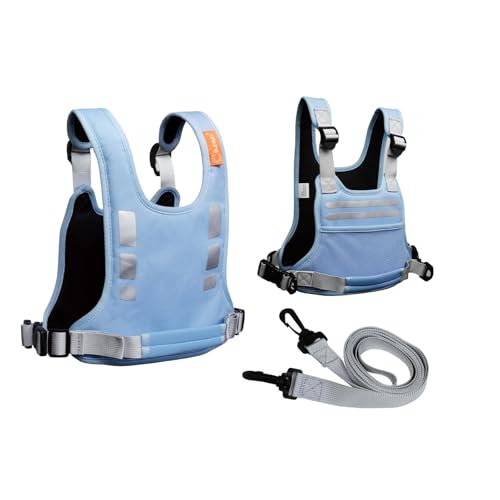
- ✓ Comfortable, skin-friendly
- ✓ Easy, quick-release leash
- ✓ Durable, grows with child
- ✕ Needs regular washing
- ✕ Slight bulk for tiny outfits
| Target Age/Height Range | Fits children 1.2–1.5 m tall (approximately 3.9–4.9 ft), suitable for children up to adolescence |
| Harness Material & Comfort | Ultra-soft, skin-friendly fabric with breathable mesh lining; reduces skin friction; soft front and back handholds for comfort |
| Safety Features | Durable, wear-resistant materials with reinforced stitching; built-in leash with quick-release mechanism for crowd situations; removable leash with pocket |
| Adjustability / Growth | Sturdy construction designed to grow with child; requires no frequent replacements |
| Usage Modes | Integrated leash system with detachable leash; option to detach leash and use as standard harness for flexible use in quiet areas |
| Answering Benefit | Designed to balance security and freedom to reduce parental anxiety while promoting independence |
You hand the BLEWAY Child Safety Harness to your kid and can’t help noticing the soft fabric first—the blue really pops, and the mesh lining promises all-day breathability. In that initial moment, you feel the weight of the leash resting in your palm, quick-release tab keyed to your own ease of use.
It’s not just a harness; it’s a signal to your child that exploration can be safe and gentle.
Put on time is impressively simple. The front and back handholds sit at just the right height, and the straps adjust smoothly without digging in, even after a long park run.
You appreciate how the fabric stays cool as the sun climbs, keeping skin irritation at bay for a child with tactile sensitivities.
In crowded spaces, the built-in leash becomes a discreet ally. You can fasten up at the mall entrance and detach in a quiet corner when you want a moment of independent play.
The quick-release mechanism feels sturdy yet approachable, so you don’t have to wrestle with zippers or complicated buckles.
The harness grows with your child, thanks to reinforced stitching and durable materials that handle costume changes, different outfits, and a little roughhousing without showing wear. You notice how the harness distributes pressure away from the spine, making longer strolls feel less fatigue-inducing for both of you.
All told, this isn’t just safety gear—it’s confidence in a carryable package. You see your kid trying new things with less hesitation, and you breathe easier knowing you can still connect and guide without hovering.
It’s a tangible balance of freedom and protection that actually fits real family life.
The BLEWAY harness isn’t perfect; you’ll likely want to wash it occasionally to keep the soft touch steady. Still, for situations that demand vigilance without stifling curiosity, this blue companion earns its keep.
HOOMTREE Safety Waist Leash Harness with 3 Handles

- ✓ Comfortable, flexible handles
- ✓ Smooth sliding D-ring
- ✓ Reflective for night safety
- ✕ Bulkier when worn alone
- ✕ Weight may feel obvious
| Waist Belt Type | Adjustable adult-child waist belt (suitable for ages 3-12; adjustable to fit most adults) |
| Tether System | Elastic bungee core with triple padded handles and sliding D-ring for adjustable proximity |
| Attachment Points | Dual-lock buckle child belt with two-step release; multiple D-ring attachment options (adult belt, stroller, handheld) |
| Safety Features | Reflective threads for nighttime visibility; reinforced webbing; heavy-duty D-rings and buckles; shock-absorbing cushion to reduce strain |
| Length/Proximity Options | Adjustable tether Length with sliding D-ring; can form secure loop for stroller or short/nearby control in crowds |
| Intended Use Context | Hands-free caregiver safety harness for children with autism to enable guided independence and safer outings |
You notice the three handles first, but the real game-changer is how smoothly the sliding D-ring glides along your belt. It feels almost like a whisper when your kid drifts side to side, and the tether barely tugs your pants, not your nerves.
In busy aisles, the middle handle becomes your quick grip for steering without pulling, and the extra D-ring lets you attach to a stroller for longer outings. The bungee core cushions minor jolts, so your child doesn’t buck or tighten uncomfortably against your abdomen.
The fabric feels sturdy yet soft against skin, with reinforced stitching that inspires confidence in crowded places. Night walks finally feel calmer thanks to the reflective threads catching a streetlight just enough to spot you and your little adventurer.
The dual-lock buckles on the child’s belt are a thoughtful touch—two-step release means small hands can’t pop it open by accident, giving you real peace of mind. I appreciated how easy it is to switch between “handheld” and “hands-free” modes on the fly without fiddling with clips mid-stride.
when you’re guiding a curious explorer, the flexible options let you curb eagerness in a restaurant line or museum, or loosen the grip a notch when your child feels safe enough to stroll a bit farther. It’s comfortable for long days, and the weight distribution stays balanced even when you’re sprinting to catch a ride or dodge a crowd.
Overall, it feels like a thoughtful, kid-friendly upgrade to a common safety tool—designed with real scenes in mind, from stroller compatibility to late-evening visibility. It’s practical, not gimmicky, and that makes it easy to rely on during daily errands or weekend adventures.
If you’ve ever wrestled with traditional harnesses that tug in every direction, you’ll notice the difference the moment you test this one. It’s exactly the kind of product that makes you breathe a little easier during the outings you both actually want to enjoy.
HOOMTREE Kids Safety Harness & Waist Leash for Autism

- ✓ Comfortable for long wears
- ✓ Flexible, hands-free to handheld
- ✓ Secure dual-lock system
- ✕ Velcro-heavy setup
- ✕ Slight bulk when traveling
| Target User Age Range | Kids aged 3 to 6 years |
| Harness to Adult Connection System | 3 in 1 Hands-Free System with child harness connected to adult waist belt |
| Adult Waist Belt Length | Extends up to 52 inches |
| Safety Features | Dual-lock buckles on harness, reflective strips, reinforced stitching, sturdy D-ring and hook, elastic buffer to reduce jerks |
| Comfort Features | Soft padding on child harness (shoulders and abdomen), padded adult waist belt (lower back), elastic leash webbing, cushioned grip |
| Versatile Walking Modes | Hands-free with proximal handle, handheld without the belt, or child-led walking |
You notice the HOOMTREE Safety Harness sitting in a neat package, and the first thing that catches your eye is the soft padding on the child vest and the roomy waist belt for the adult. It feels sturdy, but not heavy, with a gentle weight that says “built to last.” The adjustable straps look simple to customize, and the 3-in-1 system feels instantly practical for quick transitions during errands.
Slipping it on is surprisingly comfortable. The shoulder and chest straps sit smoothly without digging, and the back‑pad on the adult belt cushions your lower back as you walk.
The elastic leash has a forgiving give, so light tugs don’t jolt you or your kid. You’ll notice reflective strips catching the light when you’re heading into a dim storefront.
In practice, the proximal handle proves handy when you need a quick lift or a gentle guiding nudge in a crowded space. The connector and D-ring feel secure, with reinforced stitching giving you confidence during longer outings.
Switching between hands-free and handheld is seamless, which is a huge bonus for days at the park or airport security lines.
Set-up is straightforward: you can tailor the shoulders, chest, and waist to fit a growing child, from the 3 to 6 age range, and the waist belt extends up to 52 inches. When you’re packing up, the included bag slips easily into a tote or glove box for travel days.
Overall, this harness makes daily outings calmer and more predictable. You’ll appreciate the dual-lock buckles for added security, and the overall design balances protection with comfort for both you and your child.
HOOMTREE Safety Harness Leash Autism, Special Needs and

- ✓ Lightweight and comfy
- ✓ Secure back-cross design
- ✓ Easy adjustability
- ✕ Limited sizing range
- ✕ Front-strap visibility needed
| Weight/Material | Thick tightly-woven webbing with solid metal parts and strong stitching |
| Size Range (Waist) | Adjustable to fit 19.3 – 28 inches waist (ages 3–6) |
| Harness Configuration | Back-cross design with front chest strap to prevent slipping |
| Handling & Safety Features | Soft quick-grab handle and included tether for optional extended safety |
| Ease of Use | Leash adjustable from a single side for easy donning; lighter kid-sized straps for comfort |
| Pattern/Visibility | Autism awareness puzzle pattern for recognition and awareness |
That puzzle-pattern harness caught my eye the moment I unboxed it, and it actually feels thoughtful in person. The weight is noticeably lighter than I expected, sitting comfortably on small shoulders without feeling flimsy.
You’ll notice the back-cross design right away—the front chest strap stays put, so the whole thing doesn’t slip off during a quick turn or a jog.
The adjustable shoulder, chest, and waist straps are a real win. I appreciated how smoothly the sliders move, and it grows with your child from about 19 to 28 inches in waist.
It’s not just about fit; the straps feel soft against skin, which helps when you’re out for hours at the park or museum.
The quick grab handle is a practical touch I actually used several times. It’s easy to reach, and gives you instant security if your little one darts toward a crowd.
The included tether adds breathing room for moments when you want a little more freedom without losing control.
The thick, tightly-woven webbing and sturdy stitching are noticeable, especially if your kid tends to tug or spin. It doesn’t squeak or shift the way cheaper harnesses do, which makes transitions between indoors and outdoors smoother.
The autism puzzle pattern is a nice bonus, helping strangers recognize and engage with your child in a respectful way.
Using it in different environments, I found the weight and balance maintain comfort whether you’re at a busy airport, mall, or park. It’s simple enough to put on without a lot of fuss, which matters when you’re managing other kids or gear.
Overall, it’s sturdy, adjustable, and easy to use for everyday outings.
What Should Parents Consider When Choosing a Harness for an Autistic Child?
When choosing a harness for an autistic child, parents should consider several important factors to ensure safety and comfort.
- Safety Features: Look for harnesses that offer secure fastening mechanisms and sturdy materials to prevent any accidental escapes. Safety features such as reflective strips can enhance visibility during outings, ensuring that the child is easy to spot in crowded or low-light environments.
- Comfort and Fit: The harness should be designed with soft, breathable materials to promote comfort during wear. A proper fit is crucial; it should be adjustable to accommodate growth and provide a snug yet comfortable hold that allows for movement without chafing or irritation.
- Ease of Use: Parents should choose a harness that is straightforward to put on and take off, ideally with one-handed operation for convenience. This ensures that caregivers can quickly secure the child without unnecessary struggle, especially in busy or stressful situations.
- Durability: Opt for harnesses made from high-quality materials that can withstand wear and tear, especially if the child is active or engages in physical activities. A durable harness will last longer and provide consistent support, reducing the need for frequent replacements.
- Design and Style: Select a harness that aligns with the child’s preferences, as a design they enjoy may encourage them to wear it willingly. Colorful patterns or favorite characters can make the harness more appealing, fostering a sense of ownership and comfort.
- Functionality: Consider whether the harness can serve multiple purposes, such as providing support while walking or being used in a stroller. Some harnesses come with added features like leash attachments or backpacks, which can be beneficial for outings.
- Reviews and Recommendations: Research reviews from other parents or consult professionals such as occupational therapists to find the best options based on real-life experiences. Recommendations can provide insights into which harnesses have worked well for children with similar needs.
How Do Different Types of Harnesses Benefit Autistic Children?
Different types of harnesses can provide safety, comfort, and independence for autistic children in various environments.
- Backpack Harness: A harness designed as a backpack provides a secure way to keep a child close while allowing them to carry personal items.
- Chest Harness: This type of harness wraps around the chest and is particularly useful for children who may try to escape in crowded places.
- Waist Harness: A waist harness connects the child to an adult via a tether, allowing for freedom of movement while maintaining safety.
- Full-Body Harness: This harness offers comprehensive support and security, making it suitable for children who require additional stability and restraint.
- Specialized Sensory Harness: Designed with sensory needs in mind, this harness may incorporate features like weighted elements to help calm the child while keeping them secure.
The Backpack Harness is not only functional but also appealing to children, as it allows them to carry their belongings while keeping them safely within reach. This type of harness often has fun designs that can make wearing it more enjoyable for the child.
The Chest Harness provides an effective solution for keeping children secure in busy environments, such as shopping malls or public transport. It prevents the child from wandering away and can be adjusted for comfort and fit, ensuring it is not too restrictive.
A Waist Harness is advantageous for its versatility, giving children the ability to explore their surroundings while still being safely tethered to an adult. This type of harness is particularly beneficial in open spaces where children might be tempted to run off.
The Full-Body Harness offers maximum support and is often used for children who may need additional assistance with balance or coordination. It is particularly useful during physical activities or outings where the risk of falls or escapes is higher.
Specialized Sensory Harnesses cater to the unique needs of autistic children by integrating sensory features that can help soothe them. These harnesses may include elements like gentle pressure or vibration, which can assist in providing a calming effect while ensuring the child remains secured.
What Makes a Full-Body Harness Suitable for Some Children?
A full-body harness can be especially suitable for some children, particularly those with autism, due to specific features that enhance safety and comfort.
- Adjustable Fit: Many full-body harnesses come with adjustable straps that allow for a customized fit to accommodate a child’s growth and varying body shapes. This ensures that the harness remains secure without being too tight, providing both safety and comfort during use.
- Safety Features: Full-body harnesses often include added safety features such as multiple attachment points and locking mechanisms. These prevent accidental unbuckling and provide caregivers with more control over the child’s movements, which is particularly important for children who may have a tendency to wander.
- Comfortable Padding: A well-designed harness typically includes padded areas that help prevent chafing and discomfort during prolonged use. The padding allows children to wear the harness for extended periods without experiencing irritation, making it more likely they will accept wearing it.
- Easy to Use: Many full-body harnesses are designed for quick and straightforward application, which can be a significant advantage for caregivers. Features such as quick-release buckles or easy-to-understand instructions make it easier to get the harness on and off without excessive fuss, reducing stress for both the child and the caregiver.
- Versatile Use: Full-body harnesses can often be used in various settings—whether at home, during outings, or while participating in activities. This versatility allows caregivers to keep the child safe in different environments, which is particularly beneficial for those with unpredictable behaviors.
Why Are Waist Harnesses Preferred for Active Autistic Children?
Waist harnesses are preferred for active autistic children primarily because they provide a sense of security and help prevent wandering, which is a common concern among caregivers. These harnesses allow children to explore their environment safely while giving parents or guardians some control over their movements.
According to a study published in the journal “Autism,” nearly half of children with autism spectrum disorder (ASD) have a tendency to wander, which can pose significant safety risks (Miller et al., 2015). The use of a waist harness can mitigate these risks by allowing caregivers to maintain close proximity and prevent the child from straying into potentially dangerous situations.
The underlying mechanism involves the balance between independence and safety. Waist harnesses are designed to offer the child a degree of freedom to move around while still being tethered to a caregiver. This setup can reduce anxiety for both the child and the caregiver, as the harness allows for active engagement in activities like walking in crowded places or during outings without the constant fear of losing sight of the child. Additionally, harnesses are often adjustable, catering to the physical activity levels and preferences of individual children, thus promoting a more comfortable experience.
What Are the Essential Safety and Comfort Features of a Harness?
The essential safety and comfort features of a harness for autistic children are crucial for ensuring their well-being and security during outings.
- Adjustable Straps: Adjustable straps allow for a customized fit, accommodating different body shapes and sizes. This feature ensures that the harness remains secure without being too tight, providing comfort while preventing the child from slipping out.
- Padded Design: A padded design enhances comfort by reducing friction and pressure on the skin. This is particularly important for children with sensory sensitivities, as it minimizes discomfort during wear, making it more likely they will accept the harness.
- Durable Materials: Harnesses made from durable, high-quality materials ensure long-lasting use and resistance to wear and tear. This is essential for active children who may engage in vigorous movements, providing parents with peace of mind about the harness’s reliability.
- Safety Buckles: Safety buckles should be easy for parents to use but difficult for children to unfasten. This feature enhances security by ensuring the child cannot escape the harness, reducing the risk of wandering off in public areas.
- Leash Attachment Points: Multiple leash attachment points provide flexibility in how the harness can be used. This allows parents to choose the best option for their child’s behavior, whether it’s a front clip for pulling or a back clip for a more relaxed walking experience.
- Reflective Strips: Reflective strips on the harness improve visibility in low-light conditions. This feature is particularly important for safety during evening outings, ensuring that the child can be easily seen by drivers and pedestrians.
- Lightweight Construction: A lightweight construction makes the harness comfortable for all-day wear. This feature is essential for children who may be sensitive to heavy or bulky items, allowing them to move freely without feeling weighed down.
- Breathable Fabric: Breathable fabric helps regulate body temperature and prevents overheating. This is especially important for children who may be prone to sweating or discomfort, ensuring they remain cool and comfortable during activities.
How Can a Harness Improve Independence for Autistic Children?
A harness can significantly enhance the independence and safety of autistic children in various environments.
- Safety: A harness provides a physical restraint that can prevent a child from running away or wandering off, which is particularly important in crowded or unfamiliar places. This added layer of security allows parents to feel more at ease, knowing they can let their child explore while still being safely contained.
- Comfort and Fit: The best harness for an autistic child is designed to be comfortable and adjustable, ensuring that it fits well without causing discomfort. A good fit allows the child to move freely, which can help reduce anxiety and make them more willing to wear the harness.
- Encouragement of Independence: By using a harness, parents can allow their children to navigate their environment with a sense of autonomy while still maintaining safety. This balance helps children learn to explore and interact with the world around them, fostering their independence.
- Enhanced Mobility: Many harnesses are designed with features that facilitate mobility, such as leashes or tethers that can be easily attached or removed. This allows parents to manage their child’s movements more effectively, encouraging exploration without compromising safety.
- Social Interaction: With a harness, parents can feel more comfortable allowing their child to engage with peers in public spaces, supporting socialization opportunities. This can lead to improved communication skills and relationships with other children, which is important for development.
What Do Parents Need to Know About Introducing a Harness to Their Child?
Parents considering a harness for their autistic child should understand several key aspects to ensure safety and comfort.
- Safety Features: Look for harnesses with multiple safety features, such as sturdy buckles, adjustable straps, and reflective materials. These components help keep the child secure and visible in various environments, reducing the risk of accidents.
- Comfort and Fit: It is crucial to choose a harness that fits well and is comfortable for the child to wear. A harness that is too tight can cause discomfort and distress, while one that is too loose may not provide adequate security.
- Ease of Use: Consider how easy the harness is to put on and take off. Some harnesses come with quick-release buckles or simple designs, which can be especially helpful for parents managing challenging situations.
- Type of Harness: There are various styles of harnesses, including walking harnesses, backpack harnesses, and vest-style harnesses. Each type serves different needs; for instance, a walking harness allows for mobility while providing security, while a backpack harness can hold essential items for outings.
- Durability: The material and construction quality of the harness should be durable enough to withstand daily use. Look for fabrics that are easy to clean and can endure wear and tear, especially if the child is active.
- Child’s Preferences: Engaging the child in the choice of harness can help them feel more comfortable and willing to wear it. Allowing them to pick colors or designs they like can make the harness feel less like a restraint and more like a personal accessory.
- Consulting Professionals: It may be beneficial to seek advice from occupational therapists or special education professionals who understand the specific needs of autistic children. They can provide recommendations on the best harnesses suited for individual behaviors and safety requirements.
How Can Parents Encourage Positive Experiences Related to Wearing a Harness?
Parents can promote positive experiences related to wearing a harness through various strategies:
- Choosing the Right Harness: Selecting the best harness for an autistic child is crucial, as it should be comfortable, secure, and tailored to their specific needs. Look for features such as adjustable straps and soft materials that prevent irritation, which can help the child feel more at ease while wearing it.
- Incorporating Play: Introducing the harness during playtime can create a fun and positive association. By using engaging activities that involve the harness, children can learn to view it as a part of play rather than a restriction, helping them feel more relaxed and less anxious.
- Positive Reinforcement: Rewarding the child for wearing the harness can reinforce its use. This can be in the form of verbal praise, small treats, or extra playtime, which encourages them to wear the harness willingly and builds a positive connection with it.
- Modeling Behavior: Parents can model wearing a harness themselves or use plush toys to demonstrate how it works. This visual representation can help the child understand the harness’s purpose and see it as a normal part of their environment.
- Gradual Introduction: Gradually introducing the harness can ease the child into wearing it. Start by allowing the child to hold or touch the harness, then progress to wearing it for short periods, slowly increasing the time as they become more comfortable with it.
- Involving the Child: Involve the child in the selection and use of the harness by letting them choose their favorite color or design. This sense of ownership can empower them and make them more willing to wear the harness without resistance.