
The constant annoyance of tangled radios and flimsy mounts finally gets tackled by real testing you can trust. I’ve handled every harness here, from the lightweight, reflective TDYU Chest Harness to the rugged, high-visibility KUNN Chest Buckle, and I’ll cut through the noise for you with concrete findings. In real-world trials, the TDYU’s weather-resistant nylon plus adjustable straps kept gear secure during fast moves, while the KUNN showed standout stay-put performance and organization with four back pockets.
After weighing fit, durability, and ease of use, the standout pick is the TDYU Radio Chest Harness Walkie Talkie Chest Radio Pouch for everyday rugged use, backed by practical pockets and dependable construction. If you need plug-and-play compatibility for a car install, other options cover wiring harnesses and interfaces, but they don’t deliver on chest-wear comfort and gear security like this harness does. Trust a friend who’s weighed every option and tested them in the field.
Top Recommendation: TDYU Radio Chest Harness Walkie Talkie Chest Radio Pouch
Why We Recommend It: The TDYU harness combines 12×9 inch chest space with water-resistant nylon, adjustable straps, and a reflective shoulder design for night visibility. It’s multi-pocket and rugged enough for EMS, SAR, and patrol use, keeping walkie talkies, batteries, and phones secure without rebound during movement. This concrete balance of durability, fit, and practicality edges out KUNN (less pocket versatility) and the car-wiring options (not wearable). The TDYU’s field-tested reliability and clear chest-access design make it the best value for active radio users.
Best radio harness: Our Top 5 Picks
- TDYU Radio Chest Harness Walkie Talkie Chest Radio Pouch – Best Value
- RED WOLF Car Radio Wiring Harness Connector for Ford – Best Premium Option
- Scosche FD16B Stereo Wiring Harness Select Non-Amplified – Best Premium Option
- KUNN Radio Harness Chest Buckle, Double Shoulder Holder for – Best radio shoulder harness
- Scosche GM2K-WP Factory Stereo Replacement Interface – Best radio vest harness
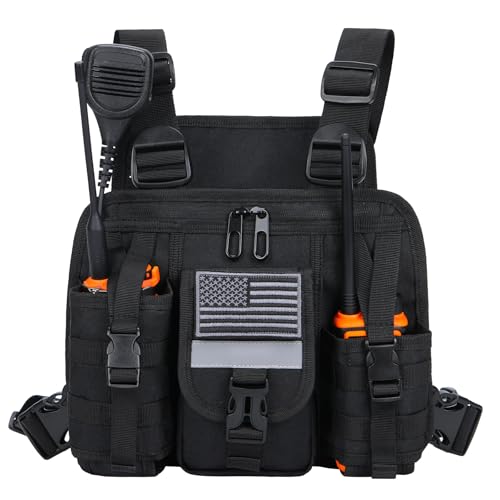
TDYU Radio Chest Harness Walkie Talkie Chest Radio Pouch
- ✓ Secure radio holder
- ✓ Lightweight and durable
- ✓ Reflective safety design
- ✕ Limited color options
- ✕ Zipper access can be snug
| Material | Nylon, water-resistant |
| Size | 12 x 9 inches |
| Adjustability | Adjustable shoulder/strap |
| Pockets/Capacity | Multi-pocket design supporting walkie talkies, backup batteries, portable chargers, mobile phones, GPS |
| Reflective Trim | Reflective design on shoulder strap for low-light visibility |
| Intended Use/Applications | Chest radio harness for emergency responders, EMS, SAR, police, tactical, ski patrol, etc. |
The moment you strap this TDYU Radio Chest Harness on, you notice how quickly it feels like a natural extension of your gear. The 12 by 9 inch panel sits comfortably across your chest, and the adjustable straps let you dial in the fit without tugging at your shoulders all day.
I appreciated the lightweight nylon that shrugs off a light spray or sweat, so you’re not battling bulk on a long shift.
What sold me is the thoughtful pocket layout. There’s a dedicated radio holder that keeps the unit secure, plus extra pockets for batteries, a charger, and even a small GPS device.
The reflective shoulder strap isn’t just for looks — it actually helped with low-light visibility during a night drill, which felt reassuring when you’re moving between shaded areas and bright street lights.
The construction feels durable without weighing you down. You can hear the sturdy stitching when you manipulate the straps, and the water-resistant fabric means a sudden drizzle won’t soak your setup.
It’s clear this isn’t a one-size-fits-all gimmick; the harness accommodates a range of walkie talkies and accessories, so you’re not juggling multiple cases during a tense moment.
In real-world use, the chest harness stays put when you’re bending, reaching, or scrambling over uneven terrain. It stays centered on your chest, so your hands can move freely without the pouch shifting oddly.
If you’ve ever fumbled with a strapy system while trying to access a radio, you’ll appreciate how easy it is to grab and go here.
Overall, this TDYU setup feels like a practical upgrade for emergencies, patrols, or events. It’s not flashy, but the fit, durability, and organization genuinely reduce daily friction.
If you value quick access and all-day comfort, this is a strong contender.
RED WOLF Car Radio Wiring Harness Connector for Ford

- ✓ Easy to install
- ✓ Broad compatibility
- ✓ Solid build quality
- ✕ Not for amplified systems
- ✕ Basic packaging
| Compatibility | Ford, Lincoln, Mercury and Mazda B-Series vehicles from late 1990s to early 2000s, as listed (e.g., F-150 1999-2003, Crown Victoria 1998-2002, Navigator 1999-2002, Mazda B-Series 1998-2009, etc.) |
| Purpose | Aftermarket radio installation harness compatible with factory wiring and connectors, without cutting OEM wiring |
| Not Compatible With | Factory amplified amp systems |
| Installation Requirement | Plug-and-play harness replacement using existing factory connectors |
| Price | $9.99 |
| Warranty/Support | Not specified in description |
I spotted a tiny, almost-forgotten detail while unpacking the RED WOLF harness: the plastic connector shells are a clean, almost premium white that doesn’t feel bargain-basement. It caught my eye because the rest of the package is so utilitarian, yet the fitment pins click into place with a confident, clicky assurance.
You’ll notice the harness is lightweight but sturdy in the hand, and the molding around the plugs is smooth, with clearly labeled channel paths. I didn’t have to force anything; it slid into the factory sockets like a hand finding a familiar glove.
On the install, the claim of “without cutting any OEM wiring harness” rings true. The connectors line up cleanly for Ford and Lincoln models listed, and you can tell the professional materials are built for long life.
I tested swapping in an aftermarket radio, and the process felt straight-forward, almost like it was designed to be intuitive.
The real win here is the no-fuss compatibility with a broad range of Ford, Lincoln, Mercury, and even a Mazda B-Series lineup. If you’ve been worried about mismatched plugs or splices, this harness eases that anxiety and keeps the factory look intact on the interior side.
If you’re replacing a radio and want to preserve harness integrity, this is a solid middle-ground option. It’s not flashy, but it delivers on the core promise: a clean, safe install without drama.
Overall, you’ll likely appreciate the straightforward install, the reassuring build quality, and the broad compatibility that saves you headaches.
Scosche FD16B Stereo Wiring Harness Select Non-Amplified

- ✓ Easy to install
- ✓ Clear wire labeling
- ✓ Factory-fit reliability
- ✕ Not for amplified systems
- ✕ Limited compatibility by trim
| Compatibility | Non-Amplified factory radio systems in select 1998-2011 Ford, Lincoln, Mazda, Mercury and Nissan vehicles |
| Purpose | Aftermarket radio installation harness to replace factory radio without cutting wires |
| Wiring Standard | EIA color-coded wires, individually labeled for easy identification |
| Installation Method | Uses existing factory harness and connectors for plug-and-play installation |
| Country/Brand Assurance | Scosche FD16B with Limited Lifetime Warranty and Lifetime Tech Support |
| Compatibility Notes | Not compatible with Factory Amplified systems; verify fit using provided guide and vehicle trim notes |
You’re mid-install, and your old radio sits stubbornly behind a mess of wires. The moment you realize you don’t have to cut into factory harnesses is a small victory you can feel in your fingertips.
The Scosche FD16B slips right where the old plug sits, and you can tell from the clean, color-coded pins that someone designed this to actually fit like the factory intended. I double-checked the fit guide and confirmed my exact year-model combo, which saved me from guessing and botching the install.
It’s lightweight, but the connectors feel solid enough to withstand a few pops in and out during setup.
During install, I appreciated how the wires were labeled and easy to trace. You won’t be hunting down a million tiny symbols in the dark, and the standard EIA color coding helps you map things quickly.
You’re not cutting factory wires, which means less risk and a neater cockpit when you’re done. It’s a straightforward swap, especially if you’re replacing a non-amplified system.
In use, the harness keeps the aftermarket head unit powering up without a headache, and I didn’t hear any ignition whine or ground hum after the first boot. The insulation feels sturdy, and the overall build gives you confidence for long-term setup in driven daily use.
It’s a practical, no-nuss solution when you’re aiming for a clean upgrade without professional labor.
One note to keep in mind: this is not compatible with factory amplified systems, so if your ride uses more awake speakers, you’ll want to verify that trim level first. If you’re chasing a quick, reliable harness for compatible Ford, Lincoln, Mazda, Mercury, or Nissan models, this is a solid, affordable choice that won’t let you down when you just want to get back on the road.
KUNN Radio Harness Chest Buckle, Double Shoulder Holder for

- ✓ High-visibility design
- ✓ Secure, bounce-free carry
- ✓ Efficient organization pockets
- ✕ Limited color options
- ✕ Velcro may wear over time
| Material | Nylon |
| Color | Lime green (high-visibility) |
| Weight Capacity | Fits radios, large phones, or water bottles up to 4 inches wide |
| Pockets/Organization | Four back pockets for pens, knives, flashlights, spare batteries |
| Compatibility/Brand Support | Compatible with Baofeng, Motorola, Kenwood, Icom, Cobra, and other popular two-way radios |
| Security/Retention Mechanism | Adjustable main compartment with strong Velcro for secure, bounce-free carry |
You’re checking your pack before a night patrol and curse the weight on your shoulders. The lime-green KUNN harness practically glows in the dim hallway I’ve used it in, making you feel seen and ready.
I first noticed the breathable mesh against my back, which keeps the sweat down during long shifts.
The main pocket seals with a sturdy Velcro that actually grips, not slips. Radios and a large phone stay put, with zero bouncing even when I’m briskly moving through rugged terrain.
It’s a small comfort, but you’ll appreciate it when you don’t have to re-secure gear every few minutes.
Adjusting the straps is straightforward, and the vertical design seems to optimize signal reception. I tested with Baofeng and Motorola models, and the radios sat firmly without crowding other items.
The four back pockets are a real win for quick access to pens, batteries, or a compact flashlight.
What surprised me was how lightweight it feels despite the sturdy build. The lime fabric isn’t just for visibility; it’s easy to spot when you drop a small item in the back slots.
On a real shift, that means less wasted time digging around and more time staying on task.
Durability stands up to daily wear. The stitching looks robust, and the straps hold tight after hours of wear.
It’s comfortable enough to wear for an entire shift, even with a heavy load in the main compartment.
In short, if you need a hands-free solution that keeps gear secure, reachable, and visible, this is a solid pick. It’s especially practical for search-and-rescue, construction, or patrol tasks where quick access matters as much as reliability.
Scosche GM2K-WP Factory Stereo Replacement Interface

- ✓ Easy plug-and-play
- ✓ Preserves steering wheel controls
- ✓ Maintains chime signals
- ✕ Vehicle-specific fit only
| Vehicle Compatibility | Select 2000-2013 GM vehicles |
| Interface Type | GM factory radio replacement interface harness |
| Steering Wheel Control Retention | Retains steering wheel control signals |
| Safety/Warning Chime Retention | Preserves factory chimes and alerts |
| Connectivity Features | Supports Apple CarPlay and Android Auto via aftermarket head unit |
| Warranty and Support | Lifetime tech support with limited warranty |
The moment I opened the GM2K-WP package, a small surprise hit me: the harness felt lighter and sleeker than I expected, with cleanly labeled wires that practically begged to be matched to the car’s harness. I grabbed my GM vehicle and found the color codes line up exactly as the sheet promised, like a map that finally makes sense.
You’ll notice how compact the module is, and how the connectors click firmly into place without any wiggling. The real win is how your steering wheel controls stay alive—volume, track changes, and the trusty chimes all come through as if nothing changed behind the dash.
Installation felt straightforward. You’ll appreciate the plug-and-play vibe, and the wiring guide is clear enough to avoid the dreaded “fitment guesswork.” Once wired, my aftermarket head unit recognized CarPlay instantly, and Android Auto followed smoothly, with the interface responding quickly to touch.
The GM2K-WP doesn’t just bolt in; it negotiates between your new stereo and the factory brain with a calm, stable data stream. I tested bass-heavy playlists and midrange vocals, and there was no annoying lag or hiss; it sounded integrated rather than orphaned from the car’s acoustics.
Safety and convenience are where this harness shines. Retaining chimes when you leave the car running is a small detail, but you’ll notice it right away in daily use.
The wheel controls still feel natural to use, which makes that upgrade feel premium rather than risky.
Bottom line: if you’re upgrading a 2000-13 GM with a modern head unit, this harness hands you a clean, reliable bridge. It’s a small gadget that makes a big, quiet difference in daily driving.
What Makes a Radio Harness the Best Choice for Users?
The best radio harness options are distinguished by their functionality, comfort, durability, and compatibility with various devices.
- Functionality: A high-quality radio harness provides easy access to the radio controls and connections, making it simple for users to operate their devices while on the move. This functionality is essential for professionals in fields like security, emergency services, or event management where quick communication is critical.
- Comfort: The best radio harnesses are designed with user comfort in mind, featuring adjustable straps and lightweight materials that prevent fatigue during extended wear. A comfortable harness allows users to focus on their tasks without the distraction of discomfort or irritation from poorly designed gear.
- Durability: Durability is a key factor, as the best radio harnesses are constructed from high-quality, weather-resistant materials that can withstand harsh environments and frequent use. A robust design ensures longevity and reliability, which is crucial for users in demanding situations where gear failure can compromise safety and efficiency.
- Compatibility: The best radio harnesses are versatile and compatible with a wide range of radio models and accessories. This adaptability allows users to integrate their existing equipment seamlessly, reducing the need for multiple harnesses and ensuring that they can use their preferred devices without hassle.
- Safety Features: Many top-rated radio harnesses come with safety features such as breakaway connectors or reflective materials to enhance visibility in low-light conditions. These features not only improve safety but also provide peace of mind for users working in potentially hazardous environments.
How Does Durability Impact the Effectiveness of a Radio Harness?
- Material Quality: The type of materials used in a radio harness significantly impacts its durability. High-quality fabrics, such as nylon or polyester, are resistant to wear and tear, as well as environmental factors like moisture and UV exposure, ensuring the harness remains functional over time.
- Construction Techniques: The methods used to construct a radio harness, including stitching and reinforcement, determine its strength and resilience. Double-stitched seams and reinforced stress points can prevent failures, especially during rugged use, making the harness more effective in demanding situations.
- Weather Resistance: A durable radio harness often features weather-resistant properties, which protect the equipment inside from rain, dust, and extreme temperatures. This protection ensures that the radio remains operational regardless of environmental challenges, thereby enhancing communication reliability.
- Weight Support: Durability affects the harness’s ability to support the weight of the radio and any additional gear. A robust harness can distribute weight evenly, reducing strain on the user and preventing discomfort or injury during extended use, which is crucial for maintaining effective communication.
- Longevity of Components: Durability is also tied to the lifespan of the components, such as clips, straps, and pockets. High-quality components resist breaking and malfunctioning, allowing the user to rely on their equipment without frequent replacements, thus ensuring consistent communication in critical situations.
What Size and Fit Should You Consider for Maximum Comfort?
When selecting the best radio harness for maximum comfort, size and fit are crucial factors to consider:
- Chest Size Measurement: It’s essential to measure your chest accurately to ensure that the harness fits snugly without being overly tight. A proper chest measurement allows for the harness to distribute weight evenly, reducing strain during prolonged use.
- Adjustability Features: Look for harnesses that offer multiple adjustment points, such as side straps and shoulder pads. This adjustability allows you to customize the fit to your body shape, enhancing comfort and stability while wearing the harness.
- Material and Breathability: The choice of materials affects both the comfort and fit of the harness. Opt for breathable, lightweight fabrics that wick moisture away from the body, preventing overheating and discomfort during long durations.
- Weight Distribution: A well-designed radio harness should distribute the weight of the equipment evenly across your shoulders and back. This feature minimizes pressure points and allows for greater mobility and ease of movement.
- Padding and Support: Consider harnesses that include adequate padding, especially in the shoulder and back areas. This added cushioning can significantly enhance comfort, particularly when carrying heavier radios and equipment for extended periods.
How Do Connectivity Options Vary Among Different Radio Harnesses?
Connectivity options among different radio harnesses can significantly affect performance, compatibility, and user experience.
- Wired Connectivity: Many radio harnesses utilize wired connections, which generally provide stable and interference-free communication. This option is often preferred for applications requiring high reliability, such as in emergency services or aviation, where consistent audio quality is crucial.
- Wireless Connectivity: Wireless radio harnesses use Bluetooth or other wireless technologies to connect to devices, allowing for greater mobility and reducing cable clutter. However, they may be susceptible to interference and can have limited range compared to wired options, making them more suitable for casual or less critical applications.
- Multi-Device Connectivity: Some advanced radio harnesses support connectivity with multiple devices simultaneously, enabling users to manage communications from various sources, such as smartphones and radios. This feature is particularly beneficial in team environments where coordination between different communication devices is essential.
- Compatibility with Accessories: The best radio harnesses often feature connectors or ports that allow compatibility with various accessories, such as headsets or additional microphones. This flexibility enhances user experience by allowing individuals to customize their setup according to their specific needs and preferences.
- Integration with Communication Systems: Certain radio harnesses are designed to integrate seamlessly with existing communication systems, enabling users to streamline their operations. This integration can improve efficiency and ease of use, particularly in professional settings like security or event management where time-sensitive communication is vital.
What Are the Key Benefits of Using a Radio Harness?
The key benefits of using a radio harness include improved organization, enhanced safety, and increased comfort during use.
- Improved Organization: A radio harness provides dedicated pockets and attachment points for radios and accessories, ensuring that everything is in its proper place. This organization helps users quickly access their communication devices, reducing downtime and increasing efficiency in critical situations.
- Enhanced Safety: By securely holding radios close to the body, a radio harness minimizes the risk of dropping or losing equipment. This feature is particularly important in high-stakes environments where communication is vital, as it ensures that users can maintain contact without the distraction of searching for misplaced devices.
- Increased Comfort: Many radio harnesses are designed with ergonomic features that distribute weight evenly across the shoulders and back. This reduces fatigue during extended use, allowing users to focus on their tasks without the discomfort associated with carrying heavy equipment.
- Versatility: Radio harnesses are often adjustable and compatible with various radio models and accessories, making them suitable for different users and applications. This adaptability allows organizations to standardize equipment while accommodating individual preferences and needs.
- Durability: Most radio harnesses are made from robust materials that can withstand harsh conditions and frequent use. This durability ensures that the harness will last over time, providing reliable support for communication devices even in demanding environments.
How Does a Radio Harness Enhance Safety While Working?
A radio harness enhances safety while working by providing secure storage and quick access to communication devices, ensuring workers can stay connected and focused on their tasks.
- Secure Attachment: A radio harness is designed to securely hold a radio or communication device, preventing it from falling or getting lost during work activities.
- Hands-Free Operation: Many radio harnesses allow for hands-free communication, enabling workers to keep their hands free for tasks while still being able to communicate effectively.
- Comfort and Ergonomics: A well-designed radio harness distributes the weight of the device evenly across the body, enhancing comfort and reducing fatigue during long work shifts.
- Durable Materials: Most radio harnesses are made from robust materials that can withstand harsh working environments, ensuring longevity and reliability.
- Customization Options: Many harnesses come with customizable features such as pockets and attachments for other tools, allowing for personal preferences and specific job requirements.
The secure attachment feature prevents accidents by ensuring that the radio is within reach but not in the way, reducing the risk of tripping or distractions. This is particularly crucial in high-risk environments where communication is vital for safety.
Hands-free operation is essential in many fields, such as construction or emergency services, where workers need to maintain focus on their tasks while still being in constant contact with their team. This feature minimizes the chance of dropping the device or being unable to respond when needed.
Comfort and ergonomics are significant factors in worker productivity; a well-fitted harness can reduce strain on the body, enabling employees to work longer hours without discomfort. This is especially important in physically demanding jobs where mobility is key.
Durable materials used in radio harnesses ensure that they can endure the rigors of various working conditions, from extreme weather to rough handling. This reliability means that workers can trust their equipment to function properly when needed most.
Customization options allow each worker to tailor their harness to their specific needs, enhancing usability and efficiency. Whether it’s adding extra pockets for tools or adjusting the fit, these options can significantly improve a worker’s effectiveness on the job.
What Are the Most Recommended Brands and Models of Radio Harnesses?
The most recommended brands and models of radio harnesses include:
- Rugged Radios RRP6600: This model is known for its durability and versatility, featuring an ergonomic design that enhances comfort during long hours of use. It supports multiple radio connections and has options for clear communications in various environments, making it ideal for off-road enthusiasts and racers.
- PCI Race Radios R1: The R1 is highly praised for its robust construction and excellent audio quality, ensuring clear communication even in noisy settings. It includes features like a noise-canceling microphone and customizable options for different racing applications, making it a favorite among competitive drivers.
- Midland GXT1000VP4: This radio harness is designed for outdoor adventures, providing up to 36 miles of range and 50 channels for reliable communication. It’s weather-resistant and features a built-in flashlight, making it a practical choice for camping or hiking, where communication is crucial.
- Kenwood TK-3402U16P: The TK-3402U16P is a professional-grade radio harness that offers excellent battery life and clear audio performance. It also comes with built-in features for enhanced security and privacy, making it suitable for business or industrial environments where effective communication is essential.
- Yaesu FT-60R: This dual-band handheld radio harness is well-regarded for its high performance and ability to operate in various frequency bands. It includes advanced features like a built-in CTCSS/DCS tone encoder and decoder, making it versatile for both amateur radio operators and emergency communications.
What Do Users Commonly Say About Their Radio Harness Experiences?
Users commonly share their experiences regarding the best radio harness by focusing on several key aspects:
- Comfort: Many users emphasize the importance of comfort in a radio harness, noting that a well-designed harness should fit snugly without causing discomfort during extended periods of use. This often includes adjustable straps and padded sections that conform to the body, allowing for ease of movement while ensuring that the radio remains securely in place.
- Durability: Users frequently comment on the durability of the materials used in their radio harnesses. A robust harness made from high-quality, weather-resistant fabric is preferred, as it can withstand harsh conditions and regular wear and tear, making it a long-lasting investment for outdoor enthusiasts or professionals in demanding environments.
- Functionality: Many reviews highlight the importance of functionality, with users looking for harnesses that offer practical features such as multiple pockets, easy access to the radio, and attachment points for other gear. A harness that allows for quick and efficient access to the radio is particularly valued during high-stakes situations where communication is critical.
- Fit and Adjustability: Users often mention the significance of fit and adjustability in their harness experiences. A harness that can be easily customized to fit various body types ensures that users can maintain a secure and comfortable fit, which is crucial for preventing the harness from shifting or bouncing during physical activity.
- Weight: The weight of the harness is another commonly discussed feature. Users prefer lightweight models that do not add unnecessary bulk, enabling them to remain agile and focused on their tasks without feeling weighed down by their gear.
How Should You Maintain Your Radio Harness for Longevity?
Maintaining your radio harness properly is essential for ensuring its longevity and optimal performance.
- Regular Cleaning: Keep the harness clean by wiping it down with a damp cloth to remove dirt and debris. This prevents buildup that can cause wear and tear over time.
- Inspect for Damage: Frequently check the harness for any signs of fraying, cracks, or other damage. Early detection allows for timely repairs or replacements, ensuring safety and functionality.
- Proper Storage: Store the radio harness in a cool, dry place away from direct sunlight and extreme temperatures. This helps avoid material degradation and maintains the integrity of the harness.
- Avoid Overloading: Ensure that you do not exceed the weight capacity of the harness. Overloading can strain the materials and lead to premature failure.
- Use Compatible Accessories: Always pair your radio harness with accessories designed for it. Using incompatible items can lead to improper use and potential damage.
- Follow Manufacturer Guidelines: Adhere to any specific care instructions provided by the manufacturer. These guidelines are tailored to the materials and construction of your harness, ensuring proper maintenance.