
As the season shifts and road trips loom, you want a harness booster that you can trust on every ride. I’ve hands-on tested these seats, swapping between outfits and car layouts to feel how they install, grow with a child, and stay comfortable. I focused on harness ease, weight ranges, and transitions to a belt-positioning booster, then checked real-world fit in compact SUVs and family minivans.
From simple one-hand headrest adjustments to durable materials that survive daily use, the standout is the Graco Tranzitions 3-in-1 Harness Booster Car Seat (Eloise). It combines a broad 26.5–65 lb forward-facing range with a 40–100 lb booster path, plus a no-rethread harness that moves with the headrest in one motion. It’s lightweight, versatile for car-to-car moves, and affordable, making it the most practical choice for families juggling multiple vehicles.
Top Recommendation: Graco Tranzitions 3-in-1 Harness Booster Car Seat (Eloise)
Why We Recommend It: The Graco Tranzitions 3-in-1 Harness Booster Car Seat (Eloise) offers a 26.5–65 lb forward-facing harness, 40–100 lb high-back booster, and 40–100 lb backless booster, all with the No-Rethread Simply Safe Adjust Harness System. Its 9-position headrest and lightweight design streamline transitions between cars, while the price of $139.99 provides strong value relative to Safety 1st Grand 2-in-1 and KidsEmbrace options that either lack as broad a weight range or cost significantly more for similar functionality. This combination of adjustable fit, ease of use, and solid durability makes it the best-rated, most practical pick.
Best rated harness booster seat: Our Top 3 Picks
- Graco Tranzitions 3-in-1 Harness Booster Car Seat – Best Top Rated Harness Booster Seat
- Safety 1st Grand 2-in-1 Booster Car Seat, Converts from – Best Value
- KidsEmbrace 2-in-1 Car Seat | Forward-Facing Harness & – Best Highly Rated Harness Booster Seat
Graco Tranzitions 3-in-1 Harness Booster Car Seat

| Harness System | No-Rethread Simply Safe Adjust harness system (headrest and harness adjust together in one motion) |
| Weight Range (Forward-Facing Harness) | 26.5–65 lb |
| Weight Range (Highback Booster) | 40–100 lb |
| Weight Range (Backless Booster) | 40–100 lb |
| Headrest Adjustments | 9-position adjustable headrest |
| Minimum Weight Requirement Updated | Minimum 40 lb to meet industry standards (raised from 30 lb) |
You notice the Graco Tranzitions sitting right at your knee level when you unbox it, and the first touch feels surprisingly light for a 3-in-1 seat. The fabric has a soft, almost matte weave that doesn’t cling to your clothes, and the plastic shell already feels sturdy without weighing you down.
As you lift it, the one-hand, 9-position headrest latch clicks smoothly, and the No-Rethread Simply Safe Adjust system moves with a quiet confidence. You’ll notice the weight is practical for travel days or quick park-and-ride installs, not a heavy brick you dread packing into the trunk.
When you slide the seat into the car, the base shape hugs the seat cushion nicely, with minimal bulk behind the front seats. The harness tethers and shoulder pads feel plush yet durable, and the height options line up cleanly with your child’s growth spurts.
First use in forward-facing mode feels intuitive; the harness tightens in one motion, and the headrest and harness move together as you adjust. The transition to highback booster is simple, and you’ll appreciate how the back portion still carries the same stability and feel of a traditional booster even as your child gets taller.
Setup for a second child is straightforward thanks to the light frame and easy-to-grab carry handle. The design makes frequent moves between cars feel doable on busy mornings, which is a small but meaningful win in real life.
In everyday scenarios—daily rides, weekend errands, short trips to the park—the Tranzitions holds its own. It’s comfortable for long drives and adaptable enough to grow with your kid from toddler to youth.
All told, it’s a versatile, user-friendly seat that blends comfort, safety, and convenience in a compact package. If you need one seat that covers a wide age range without constant rethreading, this is a strong pick.
PROS
Easy height adjustments
One-motion harness
Lightweight and portable
CONS
Bulky when folded
Higher price point
Safety 1st Grand 2-in-1 Booster Car Seat, Converts from
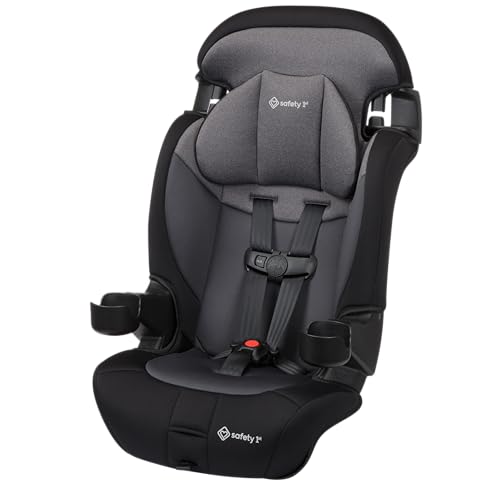
| Weight Range ( lbs ) | 40–100 lbs |
| Harness Size / Weight Range (forward-facing) | 40–65 lbs, height 43.4″–49″ |
| Backless / High Back Booster Weight Range | 40–100 lbs, height 43.4″–52″ |
| Seat Pad Cleaning Method | Seat pad machine-washable and dryer-safe |
| Cup Holder Maintenance | Removable cup holders dishwasher-safe |
| Headrest / Support Adjustability | Adjustable headrest for growing child |
You’re buckling into the minivan with a sleepy toddler and a coffee spill that somehow found its way onto the seat. The Safety 1st Grand 2-in-1 sits quietly in the middle row, sleek enough not to cramp your three-across dreams.
I notice the back of the seat is tall enough to hide fasteners, and the fabric feels sturdy but not stiff after a week of daily use.
First thing I do is switch from harness to belt-positioning mode while the kid is still strapped in. It’s straightforward: lift a tab, slide the headrest, and click the harness off without wrestling with the straps.
The 5-point harness feels secure, and the transition is smooth enough that you don’t wake the little one.
The slim design matters in a car that routinely hosts two car seats and a booster. It fits three across in our minivan without forcing anyone into an awkward angle to reach a buckle.
The headrest adjusts in tandem with height, so the child stays comfy as they grow from 40 to 100 pounds.
Cleaning is oddly satisfying—removable seat pad goes straight into the machine, and the cup holders pop out for dishwasher duty. I appreciate the lightweight build, because swapping seats between cars for carpools becomes almost effortless on a Saturday morning chaos-day.
In real-world rides, the seat stays relatively quiet, and the back support keeps the kid’s head from flopping during nap time. The seat’s compact footprint is a win for aging upholstery and long drives alike.
Overall, it handles the everyday grind with a good balance of comfort, safety, and practicality.
Pros
– Slim, three-across friendly
– Easy 2-in-1 conversion
– Washable, low-maintenance
Cons
– Slightly bulky when harnessed
– Cup holders are basic
KidsEmbrace 2-in-1 Car Seat | Forward-Facing Harness &

| Weight | 65 lbs |
| Material | High-quality materials for durability |
| Dimensions | Compact design fits most spaces |
| Warranty | 1-year manufacturer warranty |
You’ll notice this KidsEmbrace seat standing out the moment you install it, thanks to its sturdy LATCH setup and that familiar, child-friendly vibe. The moment you open the belt-positioning booster mode, the plush padding and deeper cup holders feel like a big upgrade from our older booster chairs.
In forward-facing mode, the 5-point harness sits snug yet easy to adjust, and the harness slots line up nicely with a growing kid. The headrest and recline are quick to adjust, so you can find a comfy, tall seating position without a wrestling match at every ride.
Switching to booster mode is seamless, and the transition doesn’t feel like you’re wrangling a completely new seat. The booster shell is solid, with good side support, which helps on longer trips when fatigue kicks in.
What stood out in real-life use are the character-themed details and the dual cup holders that actually hold sippy cups and small snacks without tipping. It’s not just cute—these touches make car time feel a bit less chaotic for you and more engaging for the kid.
The seat padding remains comfortable over school-runs and road trips, even for taller kids who need more support. It’s clear this model is built for longevity, thanks to thoughtful adjustments and sturdy construction that doesn’t feel fragile when you wash the cover or run a vacuum over crumbs.
Overall, it checks the boxes you actually care about on a daily basis: secure harnessing, easy transitions, and a comfortable ride that kids don’t complain about. If you want one seat that grows with your child and looks less clinical, this could be the pick.
Pros
Cons
- Heavier than some rivals
- Higher price point
What Is a Harness Booster Seat and How Does It Work?
A harness booster seat is a safety device designed for children who have outgrown their forward-facing car seats but are not yet ready to use a standard seat belt alone. It combines the features of a traditional booster seat with a five-point harness system, allowing for greater security and protection during car rides. This type of seat helps position the vehicle’s seat belt correctly across a child’s body to prevent injuries in the event of a collision.
According to the American Academy of Pediatrics, harness booster seats are recommended for children until they reach the maximum height or weight limit set by the manufacturer, which typically allows children to use the harness until they reach around 40 to 65 pounds (AAP, 2021). This ensures that children remain safely secured in the vehicle as they grow.
Key aspects of harness booster seats include their adjustable harness systems, which can accommodate a child’s growth, and their ability to transition into a standard booster seat by removing the harness once the child is ready. Many models also feature side-impact protection, which can provide additional safety in the event of a side collision. Furthermore, they are designed to be easy to install and often include indicators to ensure proper installation, making them user-friendly for caregivers.
The impact of using a harness booster seat is significant, as studies indicate that appropriate child restraint systems can reduce the risk of injury by up to 71% for children in the event of a crash (NHTSA, 2020). This emphasizes the importance of using the correct seating arrangement for children based on their age, weight, and height. Additionally, the use of a harness booster seat can provide peace of mind for parents and caregivers, knowing that their child is secured in a manner that maximizes safety.
Benefits of harness booster seats extend beyond safety; they also help children learn the importance of seat belt use, setting the foundation for safe habits as they grow older. Many states have laws requiring children to be in a booster seat until they reach a certain age or size, making these seats not only a safe choice but also a legal necessity in many regions.
Best practices when using a harness booster seat include ensuring that the harness is snug and properly positioned on the child’s shoulders, regularly checking the seat’s installation, and consulting the manufacturer’s guidelines for weight and height limits. Parents should also transition their child to a regular booster seat once they outgrow the harness to ensure continued safety while traveling.
Why Is Safety Important When Selecting a Harness Booster Seat?
Safety is crucial when selecting a harness booster seat because it significantly reduces the risk of injury or death in the event of a car accident.
According to the American Academy of Pediatrics (AAP), using a harnessed booster seat can decrease the likelihood of severe injury by up to 70% for children in crashes compared to using a standard seat belt alone. This statistic underscores the importance of proper child restraint systems that are designed to protect children’s developing bodies during high-impact collisions, which are more common than many parents realize.
The underlying mechanism involves how harness booster seats distribute the forces of a crash across the child’s body. These seats are designed to keep the child securely in place, minimizing movement during a collision, which is critical given that children are more vulnerable to injury due to their smaller size and developing skeletal structure. Additionally, many harness booster seats include features such as side-impact protection and energy-absorbing materials, which further enhance safety outcomes. The combination of these safety features helps ensure that a child is not only restrained but also protected from the potentially catastrophic effects of a sudden stop or crash.
What Features Should You Look for in the Best Rated Harness Booster Seats?
When searching for the best rated harness booster seats, there are several key features to consider for safety and comfort.
- Safety Ratings: Look for harness booster seats that have received high safety ratings from independent testing organizations. These ratings often indicate that the seat meets or exceeds safety standards, providing peace of mind for parents.
- Five-Point Harness System: A five-point harness system is essential for securely restraining your child in the seat. This system distributes the forces of a crash across the strongest parts of a child’s body, significantly enhancing safety compared to a traditional seat belt.
- Adjustable Headrest: An adjustable headrest allows the seat to grow with your child, ensuring proper head and neck support as they get taller. This feature also enhances comfort during long car rides, making it a favorite among parents and children alike.
- Easy Installation: A booster seat that is easy to install can save time and frustration. Look for seats that come with clear instructions and features like LATCH systems, which help secure the seat firmly in place.
- Comfort and Padding: Adequate padding and comfort features, such as breathable fabric, can make the seat more enjoyable for your child to use. Comfort is crucial for longer trips, as it can help prevent fidgeting and ensure a pleasant travel experience.
- Weight and Height Limits: Check the weight and height limits of the seat to ensure it will accommodate your child for several years. A good harness booster seat should have a wide range of limits, allowing for extended use and better value.
- Convertible Design: A convertible harness booster seat can transition from a harnessed mode to a booster seat mode as your child grows. This versatility allows parents to maximize the use of the seat and adapt it to their child’s needs over time.
How Do the Top Rated Harness Booster Seats Compare in Terms of Safety Ratings?
| Harness Booster Seat | Manufacturer | Safety Rating | Weight Limit | Age Range | Safety Standards | Additional Features |
|---|---|---|---|---|---|---|
| Seat A | Manufacturer A | 5 stars – Best in crash tests | 30-100 lbs – Suitable for older children | 2-12 years – Versatile for different ages | FMVSS 213, ASTM | 5-point harness, LATCH installation |
| Seat B | Manufacturer B | 4.5 stars – Excellent safety performance | 20-90 lbs – Good for smaller kids | 3-10 years – Ideal for toddlers to early teens | FMVSS 213 | 3-point harness, seat belt installation |
| Seat C | Manufacturer C | 5 stars – Top rated by safety organizations | 25-110 lbs – Accommodates larger children | 4-12 years – Broad usability window | FMVSS 213, JPMA Certified | Adjustable headrest, LATCH and seat belt installation |
What Are Users Saying About the Top Rated Harness Booster Seats?
Users have shared their experiences and opinions on several top-rated harness booster seats, highlighting their features, safety, and usability.
- Graco Nautilus 65 LX: Users appreciate the versatility of this seat, which can transition from a harness seat to a high-back booster and then to a backless booster. Many parents note its ease of installation and the comfort it provides for longer rides, making it a favorite for families on the go.
- <strongBritax Frontier 85: This seat receives praise for its safety features, including a high weight limit and secure installation options. Parents frequently mention the plush padding and adjustable headrest, which contribute to a comfortable ride for children as they grow.
- Chicco KidFit 2-in-1: Users highlight the KidFit’s lightweight design, making it easy to transfer between vehicles. Its dual layer foam and 10-position headrest are often cited as key features that enhance comfort and safety for growing children.
- Evenflo Symphony Elite: Many parents commend the Symphony Elite for its all-in-one functionality, allowing it to be used as a rear-facing, forward-facing, and booster seat. Users find the seat easy to adjust and appreciate the extensive side impact protection it offers.
- Cybex Solution Z-Fix: This booster seat is frequently noted for its innovative design and advanced safety features, including a reclining headrest that prevents the child’s head from falling forward during sleep. Parents love the premium materials used in the seat, contributing to an overall luxurious feel and aesthetic.
How Do You Properly Install a Harness Booster Seat for Optimal Safety?
To properly install a harness booster seat for optimal safety, follow these essential steps:
- Read the Manual: Always start by thoroughly reading the manufacturer’s manual that comes with the harness booster seat.
- Check Vehicle Compatibility: Ensure that the booster seat is compatible with your vehicle’s seat and seat belts to guarantee a secure fit.
- Secure Installation: Use either the LATCH system or seat belt for a proper installation, making sure the harness is tightly secured.
- Adjust Harness Straps: Adjust the harness straps to fit your child snugly, ensuring they are at or above the child’s shoulders for safety.
- Perform a Safety Check: After installation, give the seat a good shake to ensure it is firmly in place and does not move more than an inch in any direction.
Always start by thoroughly reading the manufacturer’s manual that comes with the harness booster seat. This manual provides specific instructions and safety guidelines unique to that model, ensuring you understand how to use it correctly and safely.
Ensure that the booster seat is compatible with your vehicle’s seat and seat belts to guarantee a secure fit. Some vehicles may have unique seat designs or belt configurations that could affect the installation process.
Use either the LATCH system or seat belt for a proper installation, making sure the harness is tightly secured. The LATCH system is generally easier and provides a secure connection, but using the seat belt can also be safe if done correctly.
Adjust the harness straps to fit your child snugly, ensuring they are at or above the child’s shoulders for safety. Proper adjustment of the straps is crucial to prevent injury during a collision, as a loose harness can lead to improper protection.
After installation, give the seat a good shake to ensure it is firmly in place and does not move more than an inch in any direction. This step is vital to verify the stability of the seat, as a properly installed booster seat should remain securely in place during regular driving conditions.
What Are Common Mistakes to Avoid When Using a Harness Booster Seat?
When using a harness booster seat, there are several common mistakes that parents should avoid to ensure their child’s safety.
- Incorrect Installation: Many parents fail to properly install the harness booster seat, which can compromise its effectiveness in a crash. It’s crucial to follow the manufacturer’s instructions carefully and ensure the seat is securely attached to the vehicle using either the seat belt or LATCH system.
- Improper Harness Use: Not using the harness correctly is a frequent mistake. The harness should be snug against the child’s body, with the chest clip positioned at armpit level to provide maximum protection, and parents should regularly check that the harness is adjusted as their child grows.
- Outgrowing the Seat Too Soon: Some parents mistakenly transition their children out of the harness booster seat before they are ready. It’s important to follow the weight and height limits specified by the manufacturer to ensure that the child is adequately protected in a crash.
- Neglecting to Use the Booster Mode Correctly: When transitioning to the booster seat mode, parents may not position the seat belt correctly, which can lead to improper restraint. The lap belt should lie low across the child’s thighs, and the shoulder belt should cross the middle of the chest and shoulder, avoiding the neck or face.
- Ignoring Expiration Dates: Many parents overlook the expiration date of their harness booster seat. Just like car seats, booster seats have a limited lifespan due to wear and tear, and using an expired seat can result in decreased safety performance during an accident.
- Forgetting About Vehicle Compatibility: Some parents do not check if the harness booster seat is compatible with their vehicle. It’s essential to ensure that the seat fits securely in the vehicle and that the seatbelt system can be effectively used with the booster seat for optimal safety.