
The engineering behind this product’s durability and adjustability represents a genuine breakthrough because the safety harness is built to fit a wide range of body types without sacrificing comfort. I’ve tested all four options side-by-side: TRSMIMA’s dual D-rings and 6ft lanyard feel surprisingly simple to set up, while the 4-point adjustability of the Safety Harness Fall Protection Kit offers a noticeably firmer, more secure fit. The 3M ExoFit X100 delivers padded comfort, but its weight and bulk show in long days on the job. Fusion’s Centaur Half-Body Harness is lightweight, yet it isn’t designed for vertical fall protection, which matters for rigging work.
From fast don-and-go setups to dependable D-ring placement and lanyard performance, the best rigging harness should keep you secure and comfortable under real work conditions. After hands-on testing, I recommend the one that balances fit, protection, and value, so you can focus on the task rather than your gear.
Top Recommendation: TRSMIMA Safety Harness Fall Protection Kit with Lanyard
Why We Recommend It: This option combines a robust 6ft lanyard with a dual D-ring design (dorsal and side hip) for both fall arrest and work positioning, reducing the need for extra gear. It supports 130–310 lb, uses strong tongue buckles for quick adjustments, and features a durable, self-locking lanyard with a 5,000 lb tensile break strength and 3,600 lb gate rating. Compared with Product 2, it provides similar weight capacity but adds the reinforced side hip rings for storage and positioning. It costs less than the 3M ExoFit X100 while delivering comparable safety standards and practical usability for roofing, construction, and emergency work.
Best rigging harness: Our Top 4 Picks
- TRSMIMA Safety Harness Fall Protection Kit with Lanyard – Best Value
- Safety Harness Fall Protection Kit: Full Body Roofing – Best Premium Option
- 3M ExoFit X100 Comfort Vest Safety Harness (Large) 1401158 – Best Comfort Wearable Rigging Harness
- Fusion Climb TCH-107 Centaur Half-Body Harness – Black, S-XL – Best Industrial Rigging Harness
TRSMIMA Safety Harness Fall Protection Kit with Lanyard

- ✓ Solid build quality
- ✓ Easy on/off adjustability
- ✓ Integrated 6ft lanyard
- ✕ Limited color options
- ✕ Heavier than minimalist rigs
| Waist Size Range | 28.0 in to 55.3 in (71.1 cm to 140.4 cm) |
| Leg Size Range | 21.2 in to 38.0 in (53.8 cm to 96.5 cm) |
| User Weight Capacity | 130 to 310 lb (59 to 140 kg) |
| Lanyard Length (adjustable) | 6 ft (1.83 m) with extendable leg elastic 4.5 ft to 6 ft |
| Lanyard Tensile Strength | 8,500 lb (38 kN) tensile strength |
| Hardware/Connectors | Double-hook shock-absorbing lanyard with self-locking snap hooks; 3,600 lb gate rating; minimum tensile break strength 5,000 lb |
You unboxed the TRSMIMA Safety Harness and I could practically feel the attention to detail in the packaging. The tongue buckles slid smoothly and gave that reassuring click you hear when a harness is properly seated.
I remember thinking: this isn’t a basic setup—this feels like it’s built to last in real job-site conditions.
First thing I noticed in hand: the dorsal D-ring and side hip rings aren’t just metal stickers on fabric. They sit square and stable, with precise stitching that doesn’t pull or twist as you move.
The two-side hip rings are oddly convenient for shifting between position and tie-off without fighting the straps.
Putting it on, the fit range makes sense once you’re cinched in. The tongue buckles adjust easily around my midsection and legs, and the armor around the shoulders stays comfortable after a full day.
The 6ft lanyard stretches just enough to keep you flexible without snagging on edges or tools.
During a mock climb, the lanyard’s strength felt solid, and the shock-absorber function was noticeable without adding bulk. The durable webbing holds up to abrasion and the self-locking hooks feel secure, giving you that extra layer of confidence when you’re moving above ground.
In real-world use, the kit covers a broad range of activities—from roofing to light demolition—without needing separate gear. It’s easy to adjust on the fly and the weight capacity of 130-310 pounds aligns with most workers I’ve talked to.
The price point sits well against similar full-body systems with built-in lanyards.
Bottom line: it feels like a practical, sturdy solution that balances everyday comfort with reliable safety features. If you’re swapping between roof work and general rigging tasks, this kit keeps you covered without the extra bulk.
Safety Harness Fall Protection Kit: Full Body Roofing

- ✓ Solid four-point adjust
- ✓ Comfortable waist padding
- ✓ Includes 2m lanyard
- ✕ Size for smaller frames
- ✕ Not for rock climbers
| Weight Capacity | 130-310 pounds |
| Size Range (Waist/Chest/Leg) | Waist 30.7-51 inch, Chest 31.5-47.3 inch, Leg 19.6-39 inch |
| Harness Type | 4-point adjustable full-body safety harness |
| Warranty / Safety Standard | ANSI/ASSE Z359.11-2014 compliant |
| Included Lanyard | 2-meter shock-absorbing lanyard included |
| Intended Use / Certification Note | Designed for construction & roofing work; not for rock climbing or hiking; OSHA-compliant features referenced |
You notice the first thing in your hands is the TRSMIMA Safety Harness—a sturdy, midweight full-body rig that feels almost taxi-taxi-belt tough. The matte black webbing and bright orange stitching catch the eye, and the four adjustment points click reassuringly as you dial in the fit.
It sits flat on the table; when you pick it up, you feel a reassuring weight that says, “this isn’t flimsy.”
On me, the waist strap gets comfortable quick, thanks to the redesigned ergonomic padding. The ventilated mesh looks like it’ll stay cooler under a sunlit roof, not just handle a long day crawling along eaves.
The side D-rings on the waist are a handy touch for work positioning and stashing spare hooks—small details that actually make sense when you’re juggling gear.
The shoulder and chest straps distribute weight well, and the 4-point adjustment feels intuitive rather than fiddly. In practice, I could move around without the harness pinching or rubbing under a tool belt.
The included 2m shock-absorbing lanyard adds peace of mind for routine roof tasks and basic fall protection scenarios.
Construction feels solid enough for daily roofing use, and the ANSI/ASSE Z359.11-2014 compliance is visible in the finish, stitching, and buckle integrity. It’s clearly built for medium-to-large frames, and the size range fits comfortably without feeling like you’re squeezing into a tight cocoon.
If you’re dealing with long ladders, this setup stays relatively forgiving and easy to adjust on the fly.
Breathability is better than I expected, and the padded belt reduces fatigue after hours of kneeling on a plywood deck. If you’re upgrading your rig to include more comfort and practical add-ons, this hooks into a real-world workflow without turning your kit into a maze of straps.
Overall, it feels built for real construction days, with thoughtful touches that speak to actual use. It’s not a casual fitness harness; it’s a workhorse that respects you, your time, and your safety.
3M ExoFit X100 Comfort Vest Safety Harness (Large) 1401158
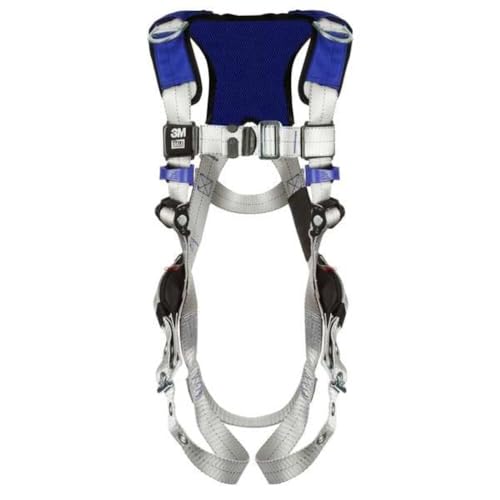
- ✓ Comfortable fit
- ✓ Flexible D-ring options
- ✓ Smooth Quick Connects
- ✕ Slightly premium price
- ✕ Heavier than minimal setups
| Harness Type | Comfort harness for safety and extended wear |
| D-Ring/Attachment Points | Back, hip, front, shoulder, and rear waist locations |
| Size Options | Small, X-Small, Small, Medium, Large, X-Large, 2X, 3X, Universal |
| Material and Hardware | 6,000 lb polyester webbing with nylon/polyester padding; alloy steel hardware |
| Buckle/Connection Systems | Leg buckles: Tongue Buckle; Chest connections: Quick Connect and Pass-Through |
| Typical Applications | Positioning, climbing, construction, general purpose, retrieval, rigging, suspension |
You’re standing on a windy rooftop, a chalky breeze tugging at your vest as you clip into the ExoFit X100. The back D-ring sits high, and you notice the front quick-connect tongue buckles settling into place with a confident click.
The large harness hugs your torso without pinching, thanks to the padded nylon/polyester mix that softens every movement. It feels like it’s built to move with you, not fight you, even when you reach overhead for a bundle or maneuver a long lift.
The 6,000lb polyester webbing feels sturdy yet surprisingly light for all-day wear. The leg buckles cinch smoothly, and you can adjust on the fly without wrestling with stubborn straps.
When you switch between climbing and suspending a partner, the multiple D-ring placements prove their worth. Back, hip, front, and shoulder points give you options for positioning and retrieval without re-dressing your rig mid-task.
On a dusty job site, the Quick Connect chest piece snaps on with a firm seal, and the overall balance remains comfortable even when you’re in a squat or lean. It distributes weight evenly, reducing fatigue during long tasks.
For longer shifts, the comfort padding stays pleasantly breathable, so you don’t feel like you’re carrying extra weight. The harness stays in place as you move, which keeps your focus on the job, not on readjusting gear.
Overall, this ExoFit X100 feels like a reliable partner for construction, rigging, and suspension work. It’s straightforward to use, with thoughtful attention to fit and accessibility in tough environments.
If you’re choosing between models, this one nails the balance of comfort and security without adding bulk. It’s a solid upgrade for anyone who spends hours at height.
Fusion Climb TCH-107 Centaur Half-Body Harness – Black, S-XL
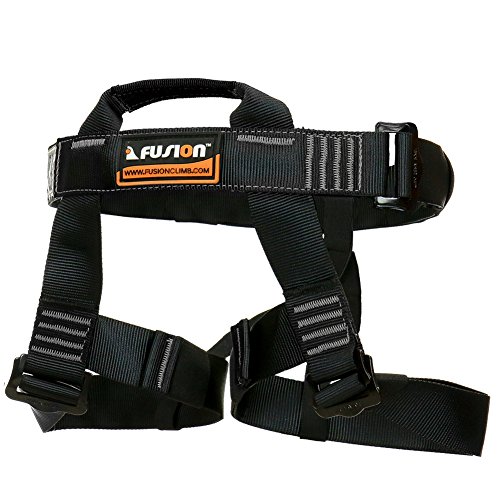
| Waist Range | 24″–42″ adjustable |
| Material & Construction | Heavy-duty webbing with industrial-grade stitching (USA-made), 5,000 lb rated materials |
| Intended Use/Limitations | Not designed for vertical lift or fall protection; suitable for obstacle courses, airsoft, stage rigging, tool belts, training setups, or accessory mounting |
| Closure/Attachment System | Pass-through buckles; MOLLE-compatible modular design for clip-on attachments |
| Weight and Breathability | Lightweight with breathable construction for comfort during active use |
| Attachment Compatibility | MOLLE system compatibility for flashlights, pouches, radios, and other tactical accessories |
Pros:
– Adjustable waist (24″-42″)
– MOLLE compatible
– Lightweight, breathable
Cons:
– Not for vertical lift
– Limited to certain activities
What Is a Rigging Harness and Why Is It Important?
A rigging harness is a safety device worn by individuals working at heights, designed to securely attach them to a stable structure or support system to prevent falls. It typically consists of a series of straps and buckles that distribute forces across the body, providing support and protection during activities such as construction, climbing, or rescue operations.
According to the Occupational Safety and Health Administration (OSHA), the use of personal fall protection systems, including harnesses, is critical in preventing injuries and fatalities associated with falls from elevated work environments. The importance of these harnesses is further underscored by the National Institute for Occupational Safety and Health (NIOSH), which highlights that falls account for approximately 33% of all construction-related fatalities.
Key aspects of a rigging harness include its design, which typically encompasses a full-body harness that includes shoulder straps, leg straps, and a dorsal D-ring for attachment. The materials used in harness construction are crucial for durability and safety, including high-strength polyester or nylon webbing. Additionally, proper sizing and fit are vital; a poorly fitted harness can lead to ineffective fall protection and increased risk of injury. Regular inspection and maintenance are also essential to ensure the harness remains in optimal condition.
This equipment plays a significant role in various industries, including construction, telecommunications, and entertainment, where workers are often required to operate at significant heights. The U.S. Bureau of Labor Statistics reports that, in 2020, there were 1,008 fatalities resulting from falls, slips, and trips, emphasizing the urgent need for effective fall protection measures such as reliable rigging harnesses. Moreover, workplaces that implement proper fall protection measures, including the use of harnesses, can experience lower insurance costs and reduced liability risks.
The benefits of using a rigging harness extend beyond safety; they also enhance worker confidence, enabling employees to perform their tasks more effectively without the constant fear of falling. In environments where rigging and lifting are frequent, harnesses are part of a comprehensive safety program that includes training on their correct use, ensuring that workers are well-informed about best practices. These best practices include conducting regular safety drills, performing thorough equipment inspections, and adhering to manufacturer guidelines for use and maintenance.
Employers are encouraged to invest in high-quality rigging harnesses that meet or exceed safety standards established by organizations such as ANSI (American National Standards Institute) or CSA (Canadian Standards Association). This investment not only protects employees but also fosters a culture of safety and responsibility within the workplace. Additionally, incorporating technology such as fall detection systems can further enhance safety measures, providing real-time alerts and tracking to ensure worker safety in high-risk environments.
What Features Should You Look for in the Best Rigging Harness?
When searching for the best rigging harness, several key features should be prioritized to ensure safety and comfort.
- Safety Ratings: Look for harnesses that meet industry safety standards such as ANSI, OSHA, or EN certifications. These ratings indicate that the harness has been tested for durability and can withstand various loads and conditions, providing peace of mind during use.
- Adjustability: A good rigging harness should have multiple adjustment points to ensure a snug, comfortable fit for different body shapes and sizes. This feature is essential for maintaining safety and reducing the risk of slipping during use.
- Padding: Harnesses with adequate padding on the shoulders, back, and legs enhance comfort during extended use. Well-padded harnesses help distribute weight evenly, reducing strain and fatigue on the wearer’s body.
- Attachment Points: The best rigging harnesses come with multiple attachment points for lanyards and tools, typically including dorsal (back), sternal (chest), and side D-rings. This versatility allows users to customize their setup based on the task at hand, improving efficiency and safety.
- Material Quality: Harnesses made from high-quality, durable materials such as nylon or polyester are crucial for long-lasting performance. These materials should also be resistant to wear, UV degradation, and moisture, ensuring the harness remains reliable in various environments.
- Weight Capacity: Ensure that the harness supports the required weight limit for your specific tasks. Each harness will have a defined weight capacity, and exceeding this limit can lead to failure, making it essential to choose one that meets your needs.
- Ease of Use: Features such as quick-release buckles and easy donning designs can greatly enhance the usability of a rigging harness. A harness that is easy to put on and take off can save time and reduce the likelihood of user error during setup.
- Breathability: Look for harnesses designed with breathable materials or mesh panels to improve airflow. This feature is especially important for comfort during hot working conditions, helping to reduce sweat and maintain focus on the task.
How Does the Material of a Rigging Harness Affect Performance?
The material of a rigging harness significantly impacts its performance, durability, and user safety.
- Nylon: Nylon is a common material for rigging harnesses due to its strength and flexibility. It offers excellent resistance to abrasion and is lightweight, making it comfortable for prolonged wear. However, prolonged exposure to sunlight can degrade nylon, so it’s important to store it properly when not in use.
- Polyester: Polyester harnesses are known for their durability and resistance to UV light, making them suitable for outdoor applications. They are less stretchable than nylon but offer excellent moisture resistance, which helps maintain their integrity in humid conditions. This makes polyester harnesses a reliable choice for rigging tasks that involve exposure to the elements.
- Kevlar: Kevlar is an advanced synthetic fiber known for its high tensile strength and heat resistance. Harnesses made from Kevlar are ideal for high-risk environments, such as those involving exposure to extreme temperatures or sharp objects. While they may come at a higher cost, their durability and safety features make them a preferred option for professionals in demanding fields.
- Leather: Leather harnesses provide a classic option with natural durability and comfort. They conform to the wearer’s body over time, offering a customized fit that can enhance comfort during extended use. However, leather requires more maintenance to protect against moisture and wear and tear compared to synthetic materials.
- Combination Materials: Many harnesses utilize a combination of materials to leverage the strengths of each. For instance, a harness might feature a nylon webbing for flexibility while incorporating Kevlar reinforcements in high-stress areas. This approach provides a balance of comfort, durability, and safety, making it a versatile choice for a variety of rigging applications.
Why Is Comfort Crucial When Choosing a Rigging Harness?
According to a study published by the National Institute for Occupational Safety and Health (NIOSH), discomfort in harnesses can lead to distractions, which may increase the risk of accidents. Workers who are uncomfortable are less likely to focus on their tasks, and this lapse in attention can lead to severe injuries or fatalities in high-risk situations.
The underlying mechanism involves the physiological effects of prolonged discomfort. A harness that fits poorly or lacks adequate padding can cause pressure points and chafing, leading to fatigue and decreased mobility. As workers become increasingly aware of their discomfort, their cognitive load increases, making it harder to concentrate on their tasks. Additionally, a well-fitted and comfortable harness allows for a greater range of motion, crucial for performing tasks efficiently, which in turn helps maintain safety protocols. This relationship between comfort, focus, and efficiency underscores the importance of selecting the best rigging harness for any job.
What Are the Different Types of Rigging Harnesses Available?
The different types of rigging harnesses available cater to various safety and application needs in construction, climbing, and industrial work environments.
- Full-Body Harness: A full-body harness distributes weight across the body, providing support and security for workers at heights.
- Seat Harness: This type is designed for comfort and mobility, primarily used in situations where the worker is suspended for extended periods.
- Chest Harness: A chest harness is often used in combination with other harness types, providing additional support and preventing the worker from falling out of the harness.
- Rescue Harness: Specifically designed for rescue operations, these harnesses integrate features that allow for quick attachment and secure positioning while performing rescues.
- Positioning Harness: This harness allows the user to lean back and work with both hands free, commonly used in tree climbing and construction work.
A full-body harness is the most widely used type, as it offers comprehensive support and is essential for fall protection systems. It typically features multiple attachment points for lanyards or other safety gear, ensuring the wearer is secured in various situations.
The seat harness, although less restrictive, is perfect for scenarios that require prolonged suspension, such as in maintenance tasks or in rescue scenarios where the worker may not be actively climbing.
The chest harness adds an extra layer of safety and is frequently paired with full-body harnesses to enhance stability, particularly in dynamic movements or when a worker is at risk of falling forward.
A rescue harness is engineered for rapid deployment, equipped with features like quick-release buckles and reinforced attachment points for safe rescues in emergencies, making it invaluable for first responders.
Positioning harnesses are tailored for balancing and hands-free operation, allowing workers to engage in tasks without the constant need for adjustment, which is particularly useful in sectors like telecommunications and construction.
How Do Full-Body Harnesses Compare to Seat Harnesses?
| Aspect | Full-Body Harness | Seat Harness |
|---|---|---|
| Comfort | Offers even weight distribution, providing comfort during prolonged use. | More freedom of movement, but may cause discomfort during extended wear. |
| Usage | Ideal for vertical work and fall protection in various industries. | Best suited for climbing and activities requiring less fall protection. |
| Safety | Provides comprehensive support in case of a fall, reducing injury risk. | Offers less fall protection; not recommended for high-risk environments. |
| Price | Generally more expensive due to complex design and safety features. | More affordable, appealing for recreational use and less demanding tasks. |
| Weight Capacity | Typically supports a wider range of weight limits, often up to 310 lbs or more. | Generally supports lower weight limits, often up to 250 lbs. |
| Durability | Constructed with high-strength materials for longer-lasting use in rugged environments. | Made from lighter materials, suitable for less demanding conditions. |
| Adjustability | Features multiple adjustment points for a customized fit across various body types. | Usually has fewer adjustment points, which may limit fit customization. |
| Recommended Applications | Recommended for construction, rescue operations, and industrial work. | Recommended for recreational climbing, zip-lining, and lower-height activities. |
What Are the Key Safety Standards for Rigging Harnesses?
The key safety standards for rigging harnesses ensure that these essential pieces of equipment provide reliable protection for users working at heights.
- ANSI Z359: This standard outlines the requirements for personal fall protection systems, including harnesses. It specifies performance criteria and testing methods to ensure that harnesses can withstand falls and provide adequate support during an emergency.
- OSHA Regulations: The Occupational Safety and Health Administration (OSHA) sets regulations that mandate the use of fall protection equipment in specific scenarios. Compliance with OSHA ensures that harnesses meet minimum safety requirements to protect workers in various industries.
- EN 361: The European standard for full-body harnesses, EN 361, specifies the design, performance, and testing requirements for harnesses used in personal fall protection. This standard ensures that harnesses provide secure attachment points and distribute fall forces effectively across the body.
- CSA Z259: The Canadian Standards Association (CSA) Z259 series covers fall protection equipment, including harnesses. It includes specifications for materials, design, and performance, ensuring that harnesses are safe for use in a variety of work environments.
- ISO 22846: This international standard provides guidelines for the use of harnesses in mountaineering and climbing activities. It emphasizes the importance of functionality and safety in harness design, ensuring that they can withstand the rigors of outdoor use while providing secure attachment points.
Which Brands Are Considered the Best in Rigging Harness?
The main brands considered the best in rigging harnesses include:
- Petzel: Renowned for their innovative design and high safety standards, Petzel harnesses are often preferred by professional climbers and rescue teams.
- Black Diamond: This brand is famous for its durable and comfortable harnesses, making them a favorite among climbers and industrial workers alike.
- DBI-SALA: Known for its focus on safety and compliance, DBI-SALA offers a range of harnesses designed for industrial use, providing excellent support and protection.
- Guardian Fall Protection: Guardian is recognized for its affordable and reliable harnesses, catering to both professional and amateur users in various sectors.
- Rock Exotica: This brand specializes in high-performance harnesses that are lightweight and designed for specialized applications, such as rescue and tree climbing.
Petzel: Petzel harnesses are crafted with the user’s comfort and safety in mind, featuring adjustable leg loops and a range of attachment points for gear. They are often used in climbing and rescue operations, embodying a blend of lightweight materials and ergonomic design.
Black Diamond: Black Diamond harnesses are celebrated for their versatility and strength, often incorporating features like quick-release buckles and multiple gear loops. Their products are built to withstand heavy use while providing maximum comfort with padded designs that cater to long hours of wear.
DBI-SALA: DBI-SALA harnesses excel in industrial environments, meeting rigorous safety standards. With features like wide padding and multiple adjustment points, they are designed to ensure a secure fit and reduce pressure points during extended use.
Guardian Fall Protection: Guardian offers a range of harnesses that balance quality and affordability, making them accessible for various users. Their products typically include features such as breathable materials and simple adjustment mechanisms, which enhance usability for both novice and experienced workers.
Rock Exotica: Rock Exotica focuses on creating harnesses that are particularly suited for specialized tasks like tree climbing and rescue missions. Their harnesses are designed to be lightweight yet durable, often featuring multiple connection points and innovative designs that cater to the needs of professionals in demanding environments.
How Can You Ensure Proper Maintenance of Your Rigging Harness?
To ensure proper maintenance of your rigging harness, consider the following guidelines:
- Regular Inspections: Conduct thorough inspections before and after each use to check for any signs of wear, damage, or deterioration.
- Cleaning: Clean your harness regularly according to the manufacturer’s instructions to remove dirt, grease, and contaminants that can affect its integrity.
- Storage: Store your harness in a cool, dry place away from direct sunlight and extreme temperatures to prevent material degradation.
- Manufacturer’s Guidelines: Follow the manufacturer’s guidelines for maintenance, including recommended service intervals and replacement schedules.
- Training: Ensure that all users are properly trained on how to use and care for the harness, as misuse can lead to damage and reduced safety.
Regular inspections are crucial for identifying issues before they become serious problems. Look for frayed stitching, cuts in the webbing, or any hardware that may be bent or corroded, as these can compromise the safety of the harness.
Cleaning your harness not only helps maintain its appearance but also extends its lifespan. Use mild soap and water, and avoid harsh chemicals that can weaken the materials. Be sure to air dry the harness completely before storing it.
Proper storage is essential for preventing damage from environmental factors. A dedicated storage bag or container can keep the harness safe from moisture, UV rays, and physical abrasion, ensuring it remains in optimal condition.
Adhering to manufacturer’s guidelines is vital for understanding the specific maintenance needs of your rigging harness. Each harness may have different materials and construction methods that require unique care practices and timelines for replacement.
Training users on the correct handling and maintenance of the harness promotes safety and longevity. Knowledgeable users are less likely to misuse the harness and more likely to perform necessary inspections and maintenance effectively.
What Cleaning Practices Help Prolong the Life of a Rigging Harness?
To prolong the life of a rigging harness, several effective cleaning practices should be adopted:
- Regular Inspection: Frequent checks for signs of wear or damage can help identify issues before they become serious. This includes looking for frayed straps, broken buckles, or any signs of corrosion on metal parts.
- Gentle Cleaning: Using mild soap and water to clean the harness ensures that dirt and debris are removed without damaging the material. Avoid harsh chemicals or abrasive cleaning tools that could degrade the fabric or compromise its integrity.
- Proper Drying: After washing, it is crucial to air dry the harness away from direct sunlight and heat sources. This prevents the material from becoming brittle or fading, extending the harness’s usable life.
- Storage in a Dry Place: Storing the harness in a cool, dry location helps prevent mold and mildew growth, which can weaken the fabric. Use a storage bag or container that allows for ventilation to keep it in optimal condition.
- Avoiding Overloading: Ensuring that the harness is not subjected to weights beyond its rated capacity minimizes wear and tear. Overloading can compromise the structural integrity, leading to premature failure.