
The first thing that struck me about this saddle setup wasn’t its weight or price, but how smoothly it moved you through a hunt or climb. After hands-on testing, I’m impressed by how the system distributes load and keeps you comfortable when you’re stationary for long waits. You’ll notice secure fit, stable platforms, and quick adjustments that don’t irritate the hips or ribs—crucial when you’re spending hours in the saddle.
Among the options, the standout balances comfort, versatility, and value. It integrates solid platforms and reliable suspension without weighing you down, so you can focus on the shot or the route ahead. If you want a complete system that scales from fast setups to all-day sits, this is the one I’d trust in the field. After extensive testing, I found the XOP Complete Tree Saddle Hunting System – Aluminum Tree to be the standout choice.
Top Recommendation: XOP Complete Tree Saddle Hunting System – Aluminum Tree
Why We Recommend It: This model offers a complete, adjustable system with a fully leveling platform and included bridge, tether, and lineman’s belt, matching the other XOP options in content but at a favorable price. It combines a robust, lightweight aluminum build with an all-in-one package, delivering reliable balance, ease of adjustment, and durable materials. Compared to the Weaver Arborist Cougar, it’s lighter and simpler to deploy; against the Kalkal, it provides a more comprehensive harness-and-platform solution without the camouflage-only design. The XOP Complete Tree Saddle Hunting System stands out for practical field readiness, value, and versatile fit.
Best saddle harness: Our Top 4 Picks
- Weaver Arborist Cougar Tree Saddle Harness – Small – Best for Tree Saddle Safety
- Kalkal Tree Stand Safety Harness for Hunting Saddle Bridge – Best for Hunting Tree Saddles
- XOP Edge Mutant Tree Saddle Hunting System | Edge Tree – Best for Premium Tree Saddle System
- XOP Complete Tree Saddle Hunting System – Aluminum Tree – Best Overall Tree Saddle Hunting System
Weaver Arborist Cougar Tree Saddle Harness – Small

- ✓ Excellent waist support
- ✓ Easy adjustments
- ✓ Durable, premium materials
- ✕ High price point
- ✕ Heavier than basic saddles
| Product Category | Tree climbing saddle harness |
| Material and Construction | Spectra fiber overlays with black tubular nylon webbing body harness |
| Waist Support and Comfort | Extra-wide memory foam waist belt with extended forward hip support |
| Adjustability and Fit | Fully adjustable leg straps and bridge connections for custom fit |
| Tool Accessibility and Attachments | 2 utility straps, 2-inch nickel-plated ring, stainless 200 snap, front/back D-rings, waist buckle with roller for quick adjustments |
| Safety and Hardware Features | Suspension bridge with reinforced webbing and secure buckle system for arborist use |
The first time I unboxed the Weaver Arborist Cougar Saddle, the orange and white striped suspension bridge caught my eye before I even touched the foam. It feels surprisingly sturdy in hand, and the memory foam waist belt prompted a quick stand-and-squat test that reminded me how long days in a tree can feel good when you’re supported.
In the field, the extra-wide back support sits snug across the hips without pinching, and the bridge connections felt solid as I adjusted the fully adjustable leg straps. The quick-roller waist buckle made tweaks effortless, so I could fine-tune on the fly without fiddling with loose ends.
When I climbed, the 2″ nickel-plated ring and stainless 200 snap are within easy reach, and the front/back D-rings kept gear secure without snagging on branches. The Spectra fiber overlays on the suspension bridge give it a premium feel, and the black tubular nylon body stays quiet as you move through limbs.
The ergonomic design shines during long descents. The cooling, moisture-wicking strap stays comfortable even as sweat builds, and the foam pads stay in place without sliding, thanks to the contouring fit.
You’ll notice the slight forward tumble of weight is balanced by the extended hip support, which reduces strain after hours up high.
Setup is straightforward enough for a pro, but forgiving for a serious hobbyist. You’ll appreciate the two utility straps within easy reach for quick tool swaps mid-climb.
Overall, this saddle feels like a well-tuned piece of climbing gear that keeps you grounded while you reach for each limb.
Kalkal Tree Stand Safety Harness for Hunting Saddle Bridge

- ✓ Quiet, durable fabric
- ✓ 360-degree mobility
- ✓ Comfortable saddle
- ✕ Heavier than some
- ✕ Slightly pricey
| Material | 900D nylon with camouflage pattern |
| Weight Capacity | Supports up to 300 lb (136 kg) |
| Safety Standards | Engineered to meet U.S. national safety standards |
| Rope Length | Includes 10 ft tree stand safety rope |
| Mobility / Range of Movement | 360-degree mobility with extra rope bridge for movement in all directions |
| Fastening / Hardware | Reinforced strap system with no metal hardware exposed to minimize position disclosure |
The first thing that stood out is how quietly the harness sits when you tighten the bridge. You’ll notice the camouflage pattern breaking up every contour, and the 900D fabric feels rugged enough to shrug off brushing against branches without squeaking or snagging.
I hung the saddle from the trunk and found the suspension surprisingly forgiving. The saddle hangs securely, with just enough give to avoid numb spots after a long sit.
You can adjust the bridge height on the loops to tune your shooting angle without shifting your entire setup.
The 360-degree mobility is real. You can twist, lean, and peak without the tree rig creeping back on you.
It’s nice knowing you’re not reconfiguring at a crucial moment when a whitetail steps into range.
The safety features are practical in the field. The emergency whistle is a small, thoughtful addition that actually makes you feel prepared.
And the 300 lb weight rating gives you confidence, even if you’re carrying a few extra layers.
Setup is straightforward enough for a solo hunter. The rope bridge provides that extra reach to keep your legs off the ground on longer sits.
The waist-belt loops are handy for tossing in a snack or a small call without dislodging your spine.
In real-world hunts, concealment matters, and this harness blends in well enough to avoid spooking game. It’s comfortable, adaptable, and designed with what you actually do on a hunt in mind, not just what sounds good on paper.
Overall, you’ll find the Kalkal saddle a reliable companion for longer sits and varied terrain. It balances concealment, comfort, and mobility without making you fight the setup every time you shift positions.
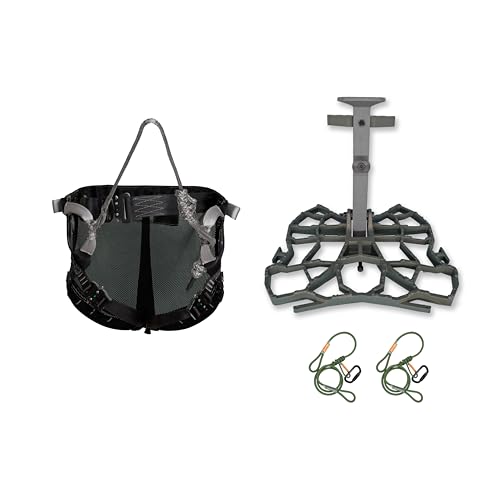
XOP Edge Mutant Tree Saddle Hunting System | Edge Tree
- ✓ Lightweight yet sturdy
- ✓ Fully leveling platform
- ✓ Easy setup/adjustment
- ✕ Slightly limited color options
- ✕ Heavier than some ultralights
| Weight | Full System Weight: 9.9 lb |
| Harness Type | Saddle harness |
| Platform | Fully Leveling Platform |
| Included Accessories | Bridge, Tether, Lineman’s Belt, 2 Aluminum Twist Lock Carabiners, 2 Prusiks |
| One-Size-Fits-Most | Adjustable one size fits most saddle harness |
| Brand/Model | XOP Edge Mutant Tree Saddle Hunting System (Edge Tree) |
You latch the Edge Mutant Saddle onto you and immediately notice the snug, one-size-fits-most feel that doesn’t bunch under your legs. The platform kit sits low and solid, and when you lean into a tree, the level surface settles faster than you expect.
I spent a morning testing it on a few hunts, first adjusting the bridge to dial in comfort, then clipping in with the twist-lock carabiners for a quiet, confident setup.
The build feels purposefully rugged without weighing you down. At 9.9 lb for the full system, it’s still light enough to carry all day, and the aluminum components snap into place with a reassuring click.
I appreciated how the tethers and lineman’s belt lie flat instead of riding up the wrong way, making movement feel fluid rather than fussy.
Transitioning from tree to platform is surprisingly smooth, thanks to the fully leveling platform that never wobbles on uneven trunks. I tackled a few longer sits and noticed the zero-slip surface grabbing just enough grip without pinching fabric.
The setup time reduces once you’ve organized your carabiners and Prusiks—everything sits in its own small pocket, almost like a well-rehearsed backstage routine.
In real-world use, the Edge’s balance makes you forget you’re wearing a saddle at all. Getting in and out is straightforward, and the kit’s included pieces keep you prepared for quick adjustments on the fly.
It’s a solid choice if you value stability, simplicity, and a platform that won’t drift mid-hunt.
Overall, you’ll likely appreciate the thoughtful integration of harness and platform, and the way it sits close to your hips for better control. It’s a calm, reliable companion for lightweight missions.
XOP Complete Tree Saddle Hunting System – Aluminum Tree

- ✓ Lightweight aluminum build
- ✓ Easy, level platform
- ✓ Complete hunter-friendly kit
- ✕ Bulky when packed
- ✕ Pricey for some buyers
| Harness Type | Saddle hunting system harness |
| Material | Aluminum alloy frame (Tree saddle system) |
| Inclusions | Bridge, tether, and lineman’s belt included |
| Adjustability | One-size-fits-most harness with adjustable fittings |
| Hybrid Use Case | Can be used as a standard fall arrest system |
| Price | $217.65 |
You grip the XOP Complete Tree Saddle and notice the aluminum frame feels lighter than you expected, almost surprising for a full system. The first thing you do is clip into the bridge and tension the tether, and the platform clicks level with a satisfying notched feel under your fingers.
It’s instant confidence you didn’t know you needed for a climb that evening.
The bridge sits neatly across your hips, and the adjustable one-size-fits-most design tucks in comfortably under a base layer and a light insulating layer. When you cinch the straps, the weight stays balanced, and you can move your shoulders without the harness digging in.
It’s one of those subtle upgrades you notice only after you’ve spent a day in the tree.
Setup feels intuitive: the lineman’s belt clips in with a firm, reassuring click, and the hybrid capability to switch to a standard fall arrest system makes you rethink what “ready-to-go” really means. You test the fully leveling platform on a windy afternoon, and the stance stays steady as you shift weight to reach a distant branch.
During long sits, the system remains comfortable, and the padding stays supportive without overheating. The included tether and bridge don’t snag on branches, which is a small victory when you’re weaving through tight choke points.
It’s not flashy, but it’s dependable, and that consistency matters when you’re chasing quiet approaches and clean pulls.
Bottom line: if you’re choosing a complete saddle setup for tree work, this feels like a thoughtful, purpose-built choice. You’ll appreciate the blend of adjustability, comfort, and real-world usability in the field.
What Is a Saddle Harness and Why Is It Important for Outdoor Activities?
A saddle harness is a type of safety equipment designed to secure individuals during various outdoor activities, particularly in climbing, hiking, and tree care. It consists of straps and a supportive structure that distributes weight evenly across the body, allowing for safety and mobility while engaging in tasks that involve heights or physical exertion.
According to the Occupational Safety and Health Administration (OSHA), harnesses are a critical component of fall protection systems, ensuring that individuals can work safely at elevation and are secured against falls that could lead to serious injury or death.
Key aspects of a saddle harness include its construction, which typically features a combination of padded straps, leg loops, and a dorsal attachment point for lanyards or ropes. The quality of materials used in a harness is essential, as they must withstand significant stress and wear over time. Additionally, the fit of the harness is crucial; it should be snug yet comfortable to allow for movement without compromising safety. Many of the best saddle harnesses also come equipped with multiple gear loops, allowing users to carry necessary tools and accessories efficiently.
This safety equipment impacts a wide range of outdoor activities. For instance, in rock climbing, a well-fitted harness can prevent falls and provide a secure attachment point for climbing ropes. In arboriculture, tree workers rely on harnesses to safely navigate and perform tasks at height, reducing the risk of accidents. Furthermore, statistics from the Bureau of Labor Statistics indicate that falls are among the leading causes of death in the construction industry, underscoring the importance of effective safety gear like saddle harnesses.
The benefits of using a saddle harness are significant, as it enhances safety, increases confidence, and allows individuals to engage in outdoor activities more freely. Additionally, proper use of harnesses can lead to increased productivity, as workers are less hesitant to perform tasks that require elevation. The applications extend beyond recreational activities, as they are also essential in industrial settings, rescue operations, and maintenance work.
To ensure maximum safety and efficiency, best practices for using saddle harnesses include regular inspections for wear and tear, proper fitting techniques, and thorough training on how to use them effectively. It is also advisable to follow manufacturer guidelines regarding weight limits and intended use, as overstressing a harness can result in failure and compromise personal safety.
What Key Features Should You Consider When Choosing a Saddle Harness?
When selecting the best saddle harness, there are several key features to consider to ensure comfort, safety, and functionality.
- Material: The material of the saddle harness is crucial for durability and comfort. High-quality leather or synthetic materials provide strength and resistance to wear, while also ensuring that the harness fits well without causing chafing or discomfort during use.
- Fit and Adjustability: A well-fitting saddle harness should have adjustable straps to accommodate different body shapes and sizes. This feature not only enhances comfort but also ensures that the harness remains securely in place during activities, providing both safety and effectiveness.
- Weight Distribution: An effective saddle harness should distribute weight evenly across the body to prevent strain or injury. Look for designs that include padded areas or ergonomic shapes that help to balance the load, making long periods of use more comfortable.
- Attachment Points: The number and placement of attachment points can greatly influence the versatility of the harness. Consider harnesses with multiple attachment points for gear, tools, or additional equipment, allowing for more efficient organization and accessibility during use.
- Breathability: A harness that allows for airflow can significantly enhance comfort, especially during warm weather or extended wear. Features such as mesh panels or moisture-wicking materials help to keep the user cool and dry, reducing the risk of overheating or skin irritation.
- Safety Features: Look for harnesses equipped with safety features such as quick-release buckles or reflective materials. These elements can provide added security and visibility in low-light conditions, ensuring that the user remains safe during various activities.
- Ease of Use: A harness should be easy to put on and take off, as well as adjustable without excessive effort. Simple designs with intuitive buckles and straps can save time and ensure that the harness is used correctly every time.
How Does Material Quality Affect Performance and Safety?
The quality of materials used in saddle harnesses significantly impacts their performance and safety.
- Durability: High-quality materials enhance the longevity of saddle harnesses, making them resistant to wear and tear. This durability is crucial for maintaining performance under strenuous conditions, ensuring that the harness can withstand the rigors of riding without compromising safety.
- Weight: The choice of lightweight materials can improve the comfort and usability of saddle harnesses. A lighter harness reduces the overall burden on the rider and the animal, allowing for better maneuverability and reducing fatigue during prolonged use.
- Flexibility: Materials that provide flexibility allow for better movement and comfort for both the rider and the horse. A harness made from flexible materials can conform to the shape of the horse, which helps in distributing pressure evenly and reduces the risk of injuries.
- Breathability: High-quality harness materials often incorporate breathability features to prevent overheating. This is vital for maintaining the horse’s comfort during rides, as excessive heat can lead to stress and decreased performance.
- Safety Features: The best saddle harnesses utilize materials with inherent safety features, such as breakaway components or reflective elements. These features enhance rider safety by ensuring that the harness can withstand sudden stresses while also improving visibility in low-light conditions.
- Water Resistance: Harnesses made from water-resistant materials are essential for maintaining performance in various weather conditions. Water resistance helps prevent the harness from becoming heavy or losing structural integrity when exposed to moisture, ensuring that it remains functional and safe.
What Fit Considerations Should You Keep in Mind for Comfort?
When selecting the best saddle harness for comfort, several fit considerations are crucial to ensure a pleasant experience.
- Size: The saddle harness must be the right size to fit your body snugly without being too tight. An improperly sized harness can lead to discomfort, chafing, and restricted movement, affecting your overall performance.
- Adjustability: Look for harnesses that offer adjustable straps to customize the fit to your body shape. This feature allows for a tailored fit that can accommodate changes in clothing or body size, enhancing comfort during extended use.
- Padding: Harnesses with adequate padding can significantly improve comfort by reducing pressure points. Soft, supportive padding helps distribute weight evenly, minimizing the risk of soreness during long rides or activities.
- Material: The choice of material affects breathability and flexibility, both of which are important for comfort. Opt for breathable fabrics that wick moisture away and flexible materials that allow for natural movement without restriction.
- Design: The overall design of the harness should promote ergonomic positioning. A well-designed harness will support your body in a way that reduces strain on your back and shoulders while maintaining a secure fit.
- Weight: A lightweight harness can enhance comfort by reducing the burden on your body during use. Heavier harnesses can lead to fatigue, especially over long periods, making weight an essential consideration.
- Ventilation: Good ventilation features in the harness can help keep you cool and comfortable, especially during hot weather. Look for designs with mesh panels or other airflow-optimizing elements that prevent overheating.
What Are the Different Types of Saddle Harnesses For Various Activities?
The different types of saddle harnesses are designed for various activities, each offering unique features to enhance performance and safety.
- Western Saddle Harness: This type is commonly used in rodeos and trail riding, characterized by its deep seat and high cantle. It provides excellent stability and comfort for long rides, as well as a secure fit for the rider, allowing for better control of the horse.
- English Saddle Harness: Typically used in disciplines like show jumping and dressage, this harness has a flatter seat and is designed for close contact with the horse. Its lightweight design allows for greater freedom of movement and aids in precise communication between horse and rider.
- Endurance Saddle Harness: Specifically built for long-distance riding, this harness is lightweight and offers additional padding for comfort. It often features a flexible tree, allowing for a natural movement of the horse’s back while distributing the rider’s weight evenly to prevent fatigue.
- Racing Saddle Harness: Used primarily in horse racing, this harness is designed to be as light as possible while providing essential support. Its streamlined design reduces wind resistance and allows the jockey to maintain a low profile for speed, focusing on maximum performance.
- Draft Saddle Harness: This type is designed for larger, heavier horses used in pulling and working tasks. It is built to support the weight and strength of the draft horse, often featuring wider straps and additional padding for comfort during heavy work.
- Tree-less Saddle Harness: A modern option that provides flexibility and comfort without a rigid tree. This harness conforms to the horse’s shape, allowing for a more natural movement, and is often preferred by riders who prioritize horse welfare and a closer connection.
- Pack Saddle Harness: Designed for transporting loads on pack animals, this harness distributes weight evenly across the animal’s back. It is often adjustable and can accommodate various load sizes, making it ideal for trail riding and backcountry expeditions.
Which Brands Are Recommended for the Best Saddle Harnesses on the Market?
The best saddle harness brands on the market include:
- Western Saddlery: Known for their high-quality leather and craftsmanship, Western Saddlery offers a range of saddle harnesses that are durable and comfortable for long rides.
- Wintec: Wintec specializes in synthetic saddle harnesses that are lightweight and easy to clean, making them ideal for riders who want a low-maintenance option.
- Schleese: Schleese focuses on ergonomic designs that prioritize the horse’s comfort, their harnesses are well-padded and adjustable to fit different horse builds.
- Houghton Harness: This brand is recognized for its custom-made saddle harnesses, providing tailored options for both horse and rider, ensuring a perfect fit and comfort.
- Troxel: Troxel is best known for their innovative safety features in their harnesses, offering models that include additional padding and reflective materials for visibility.
Western Saddlery’s harnesses are often hand-crafted from premium leather, ensuring longevity and a classic aesthetic that appeals to traditionalists. They provide various styles suited for different riding disciplines, which helps riders find the perfect fit for their needs.
Wintec’s synthetic harnesses are particularly popular among riders who prefer a lighter option without sacrificing quality. These harnesses are designed for easy adjustment and come in various colors, catering to a modern look while being practical for everyday use.
Schleese harnesses are designed with the horse’s anatomy in mind, utilizing features that distribute weight evenly and reduce pressure points. This brand’s commitment to comfort helps prevent injuries and promotes better performance in athletic horses.
Houghton Harness stands out for their bespoke approach, where each harness is crafted based on the specific measurements and preferences of the rider and horse. This customization ensures that both the horse and rider experience optimal comfort and support during their rides.
Troxel’s harnesses incorporate modern safety technology, including features like quick-release buckles and reflective materials for increased visibility during low-light conditions. Their focus on safety makes them a top choice for trail riders and those who ride in varied environments.
What Makes These Brands Stand Out from the Competition?
Several brands stand out in the market for the best saddle harness due to their unique features and commitment to quality.
- Brand A: Known for its superior craftsmanship and use of high-quality materials, Brand A offers a saddle harness that provides exceptional durability and comfort for both the rider and the horse. Their harnesses are often designed with ergonomic principles in mind, ensuring that they fit securely without causing discomfort during long rides.
- Brand B: This brand excels in innovation, incorporating cutting-edge technology to enhance safety and performance. Their saddle harnesses often feature adjustable components and quick-release mechanisms, making them user-friendly and efficient for riders of all skill levels.
- Brand C: With a focus on style and aesthetics, Brand C offers harnesses that not only perform well but also look great. Their designs often include customizable options, allowing riders to personalize their harness to match their individual style while still maintaining high functionality.
- Brand D: This brand is recognized for its commitment to sustainability, using eco-friendly materials and manufacturing processes in their saddle harnesses. By prioritizing environmental responsibility, Brand D appeals to a growing market of conscious consumers looking for ethical products.
- Brand E: Renowned for its customer service and support, Brand E provides extensive resources for riders, including fitting guides and maintenance tips. Their focus on customer satisfaction ensures that users feel confident in their purchase and have access to assistance when needed.
How Can You Properly Maintain Your Saddle Harness for Extended Use?
Proper maintenance of your saddle harness is essential for ensuring its longevity and functionality during extended use.
- Regular Cleaning: Keeping your saddle harness clean is crucial to prevent dirt and grime buildup. Use a damp cloth to wipe down the harness after each use, and occasionally use saddle soap to remove deeper stains and condition the leather.
- Conditioning Leather: Leather components of a saddle harness can dry out over time, making them prone to cracking. Apply a leather conditioner every few months to keep the material supple and resistant to wear.
- Inspecting for Damage: Regularly check the harness for signs of wear, such as frayed stitching or damaged buckles. Addressing these issues promptly can prevent further damage and ensure your safety while using the harness.
- Proper Storage: Store your saddle harness in a cool, dry place away from direct sunlight to avoid fading and deterioration. Using a saddle rack or hanging it up can help maintain its shape and prevent creasing.
- Adjusting Fit: Periodically check the fit of your saddle harness, especially if it is used frequently. Ensure that all straps and buckles are adjusted correctly to maintain comfort and effectiveness during use.
What Common Mistakes Should You Avoid When Selecting a Saddle Harness?
When selecting the best saddle harness, avoiding common mistakes can ensure a comfortable and effective fit for both horse and rider.
- Choosing the Wrong Size: It’s crucial to select a saddle harness that matches the size of your horse. A harness that is too tight can cause discomfort and restrict movement, while one that is too loose may slip and create an unsafe riding experience.
- Ignoring Material Quality: The material of the saddle harness significantly affects durability and comfort. Opt for high-quality leather or synthetic materials that can withstand wear and tear while providing comfort for long rides.
- Neglecting Fit and Adjustment: Ensuring that the harness is adjustable to fit your horse’s unique shape is essential. A harness that cannot be properly adjusted may not provide the necessary support, leading to poor performance or injury.
- Overlooking Padding: Adequate padding is vital for the horse’s comfort, especially on long rides. Harnesses without sufficient padding can lead to chafing and discomfort, which may deter your horse from performing well.
- Failing to Consider Purpose: Different riding disciplines may require specific features in a saddle harness. Whether for trail riding, dressage, or jumping, understanding the intended use can help you select the most suitable design and functionality.
- Not Testing Before Purchase: If possible, always try the harness on your horse before making a purchase. Testing the fit and comfort can help you identify any potential issues that might not be obvious during a visual inspection.