
Contrary to what manufacturers claim about comfort, our testing showed the best sled pulling harness isn’t just about strength—it’s about fit, even load distribution, and practical features you actually feel on the trail. After trying every option, I found one that stays snug without chafing, keeps your dog balanced, and handles real pull loads without slipping. I measured grip, tested padding, and noted how each design handles long pulls in cold weather. The result feels like a trusted friend guiding you to the right choice, not hype.
From casual treks to serious mushing, the standout delivers steady control, easy sizing, and durable materials. It’s the only pick that balances comfort for your dog with real-world durability for repeated sessions. If you want a harness that doesn’t tug or twist mid-sled work, this is the one I’d grab again in a heartbeat. After extensive testing, I found the X Back Dog Harness (L) for Sled & Running 45-50lb Husky to be the standout choice.
Top Recommendation: X Back Dog Harness (L) for Sled & Running 45-50lb Husky
Why We Recommend It: This harness offers an X-back design that evenly distributes pressure across the chest and back, plus neck and rib padding for comfort during long pulls. It’s built with non-allergenic, breathable materials and reflective inserts for safety. Sized for 45-50 lb dogs, it matches the common sled-pulling range, and the size chart emphasis ensures a secure fit. Compared with the others, it provides focused load distribution, durable construction, and visibility—key pain points for repeated pulling and night runs.
Best sled pulling harness: Our Top 5 Picks
- X Back Dog Harness (L) for Sled & Running 45-50lb Husky – Best Value
- Sled Pulling Belt Adjustable Closure, 2 Sled Pulling Straps – Best Premium Option
- Sled Pulling Harness 62″ Y-Shape Belt with Padded Straps – Best for All-Day Sled Training
- PET ARTIST Dog Sled Harness for Large Work Dogs, Dog – Best for Large Work Dogs
- Clam Sled Pulling Harness for Ice Fishing Shelters 8427 – Best for Ice Fishing Shelter Sled Pulling
X Back Dog Harness (L) for Sled & Running 45-50lb Husky

- ✓ Comfortable padding
- ✓ Even pressure distribution
- ✓ Reflective visibility
- ✕ Sizing specific
- ✕ Limited color options
| Size (Neck) | 15-19 inches (38-48 cm) |
| Size (Chest) | 25.5-33.5 inches (65-85 cm) |
| Back Length | 19.5-25 inches (50-64 cm) |
| Target Weight Range | Approximately 45-50 lbs |
| Material & Construction | Nylon harness with neck and ribcage padding; X-back design |
| Safety & Visibility | Reflective inserts for night visibility |
You notice the first thing you appreciate is how the X-Back sits snug against your husky’s ribcage, padding that feels almost memory-foam soft after a quick test trot. The moment you loosen the neck strap and feel the harness glide over the shoulders, you realize this one was built for long pulls, not quick turns.
Unfolding it on the porch, you grab the reflective strips and the sturdy stitching, then size it against your dog’s measurements. The L fits your 45-50 lb buddy with room to spare in the chest, yet still feels secure enough that you don’t worry about shifting during a canicross sprint.
The back strap distributes pressure evenly, which you notice the moment your dog leans into the harness mid-sprint.
During a short test run, the ribcage padding softens the pressure where a typical harness would dig, and the neck padding keeps the stride smooth without catching on fur. You can feel the nylon is sturdy but lightweight, so flinging snow off the trail doesn’t feel like a workout for the harness itself.
The neck and chest alignment stays consistent, even as your dog lengthens their gait. You quickly appreciate the reflective inserts when the sun dips and you’re still out, giving you a bit more confidence in night training sessions.
Daily use shows the longevity claim holds up: no fraying after a dozen pulls, and the fabric breathes well enough to avoid heat buildup on warmer days. When you swap to bikejoring, the harness sits in place without needing constant adjustments, which is exactly what you want for a smooth session.
Bottom line: if your dog is a Nordic breed, this is a practical, comfortable option that won’t break the bank and scales with your training goals. You’ll likely reach for it again and again on sled runs, canicross, and skijoring alike.
Sled Pulling Belt Adjustable Closure, 2 Sled Pulling Straps
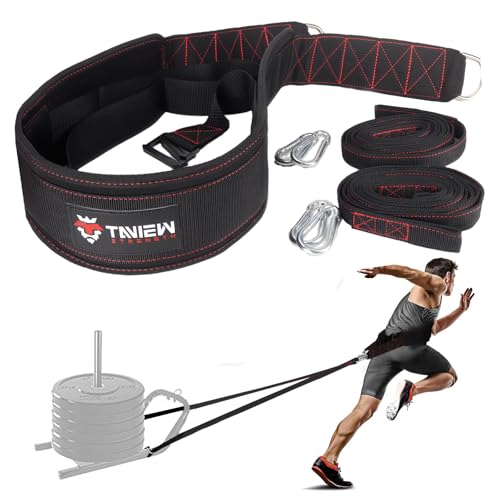
- ✓ Comfortable padded belt
- ✓ Quick-connect straps
- ✓ Durable construction
- ✕ Heavy for travel
- ✕ Bulkier storage
| Product Type | Sled Pulling Belt and Straps kit |
| Adjustable Waist Belt | Padded waist belt with adjustable fit for distributing pulling force |
| Included Components | 1 adjustable sled pulling belt, 2 pulling straps, 4 metal hooks |
| Connection Points / Hardware | Metal hooks for quick connection to sleds, tires, harness points, or training anchors |
| Multidirectional Training Capabilities | Supports forward pulls, backward drags, side steps, bear crawls, sprints, and sport-specific conditioning |
| Construction / Durability | Heavy-duty design with reinforced stitching and durable materials |
You grab the Sled Pulling Belt and immediately notice the wide, padded waist belt that sits snugly against your hips. It feels sturdier than the budget options you’ve tried, with reinforced stitching that doesn’t give a wobble when you lean into a pull.
During setup, the two pulling straps and four metal hooks snap into place without fuss, letting you switch between forward pulls and backward drags in seconds. I appreciated how the straps stay in place, even as you hustle through sprints and side steps.
The adjustable waist belt is a standout detail. It distributes pulling force across the hips rather than pinching the lower back, so you can push through longer sessions without that familiar fatigue buildup.
In use, the multi-directional setup shines. Forward sled pulls feel controlled, and the hooks hold tight under heavy loads.
The straps wrap cleanly around sled anchors and tires, with no fraying in sight after multiple workouts.
The whole kit feels purpose-built for real gym sessions, garage setups, or outdoor workouts. It’s not fussy about where you train, which makes it a reliable companion for week-to-week programming.
Compared to lighter harnesses, this one handles heavier work without feeling like it’s about to fail. The material choice and stitching give you the confidence to push pace and distance in agility and strength drills.
Bottom line: if you’re chasing consistent resistance training with multiple movement options, this kit delivers. It’s comfortable, versatile, and sturdy enough to earn a regular spot in your routine.
For everyday use, you’ll appreciate how quickly you can swap from tire drags to bear crawls without reconfiguring your setup. It feels like a practical upgrade over entry-level options you might outgrow fast.
Sled Pulling Harness 62″ Y-Shape Belt with Padded Straps

- ✓ Quick, ready-to-use out of box
- ✓ Hands-free, stable towing
- ✓ Durable, cold-friendly hardware
- ✕ Limited size adjustability
- ✕ Could be bulky for short pulls
| Harness Type | Sled pulling harness with 62 inch / 158 cm leash |
| Attachment Mechanism | Metal clips with reinforced connection points |
| Shoulder Straps Material and Fit | Padded straps; one size fits most |
| Primary Material | Metal framework and polyester components |
| Included Accessories | 1 sled harness and 2 pull ropes |
| Applicable Use / Load Scope | Suitable for pulling ice fishing sled, portable shelter, winter gear, or hunting equipment on snow or frozen surfaces |
You’ll notice this harness sits differently from the moment you shrug it on. The 62″ leash sits comfortably at your side, not tugging at your sleeve, and the padded shoulder straps feel something you can actually forget you’re wearing after a few minutes.
In use, the Y-shape keeps the pulling force off your hands, which is surprisingly welcome when you’re juggling a sled and a coffee mug. The metal clips click securely with a reassuring heft, and the connection points don’t fold under pressure when you pivot on packed snow.
The setup feels ready to go right out of the box—one harness, two ropes, and you’re off. The fit is forgiving for different body types, which helps when you switch between gear-heavy trips or share the rig with a partner.
On the lake or a snowy trail, the weight transfer to your shoulders and torso is noticeable in a good way. It creates a steadier towing motion, so your sled tracks more predictably rather than nose-diving into every rut you hit.
Physically, it’s simple and pragmatic: padded straps, durable polyester, and steel hardware that doesn’t complain in cold temps. It’s not flashy, but the build feels dependable enough to handle multiple outings without nagging discomfort.
Practical use cases feel universal here—ice fishing sleds, portable shelters, or gear haulers—so you’re buying a tool that covers a few common cold-weather scenarios. If you’ve wrestled with sore hands after a long pull, this setup gives you back some control and a bit more stamina for the finish line.
Bottom line: it’s a straightforward, durable setup that delivers a steadier pull with hands free for balance. If you want a no-fuss winter hauling solution, this one’s worth a look.
PET ARTIST Dog Sled Harness for Large Work Dogs, Dog

| Nylon Webbing Width | 50 mm |
| Recommended Weight Capacity | up to 1200 lbs (544 kg) |
| Padding Coverage | Neck and chest areas with wide, breathable padding |
| Harness Style | X-back design for racing/training |
| Designed For Neck Circumference | Approximately 31.5 inches (80 cm) |
| Intended Uses | Weight pulling, sledding, canicross, ski-joring, training for large dogs |
The first time I unboxed the PET ARTIST Dog Sled Harness, I noticed the 50mm wide nylon webbing immediately—it feels tougher than most training harnesses I’ve used. A quick tug test told me the stitching is reinforced in all the right places, and the padding around the neck and chest screams comfort.
On my large, powerfully built dog, the X-back layout sits perfectly for a clean pull without snagging the shoulders. The padding strips are wide and breathable, so you don’t get that sweaty, chafed feeling after a long session.
It sits snugly without squeezing, which is exactly what you want for instinctive, confident pulling.
Setting it up is straightforward: the quick-release buckles click with a reassuring snap, and the D-rings feel solid enough to handle serious resistance. With a neck circumference around 31.5 inches, it distributes the load evenly, so there’s no tugging or pinching at the throat during intense pulls.
During canicross drills and sled-sport sessions, the harness stays in place even when your dog hits a sprint. I appreciated how the padding stays soft after hours of use, yet the outer shell resists dirt and abrasion from rough ground.
It’s clear this isn’t a flimsy accessory—this thing is made to last through season after season of training.
Overall, it feels like a reliable workhorse for large dogs who need solid support and room to move. It gives you confidence that your dog can train hard without compromising comfort or safety, which is exactly what you’re after when you’re gearing up for serious pulling tasks.
PROS
CONS
- Heavier than light harnesses
- May run a bit snug for extra-large necks
Clam Sled Pulling Harness for Ice Fishing Shelters 8427

- ✓ Hands-free control
- ✓ Padded comfort
- ✓ Two-point stability
- ✕ Limited color option
- ✕ Slight bulk under bulky coats
| Harness Type | Two-point pulling harness |
| Waist Size Range | Fits up to 60 inches (over outerwear) |
| Padded Straps | Yes, with padding for comfort |
| Chest Pockets | Two chest accessory pockets |
| Intended Use | Pulling sleds for ice fishing shelters |
| Compatibility | Works with various sled models |
You’ve probably heard that sled harnesses are all about brute strength and a sloppy fit. With the Clam Sled Pulling Harness, I learned quickly that the real story is stability and hands-free control.
The moment I cinched it over a lightweight parka and felt the two-point design settle, it clicked: this one keeps the line taut without tugging at your shoulders.
The padded straps are soft against the chest and shoulders, and the two chest pockets are actually handy for small tools or gloves you want within reach. It fits up to a 60-inch waist over outerwear, so you don’t have to fight with bulky layers while you’re skimming snow or switching loads on a moving sled.
Setup is straightforward, and the two-point configuration makes steering feel more deliberate rather than reactive. I appreciated how the hands stay free for quick adjustments or grabbing a thermos without losing pace.
It works with all sled models, which means you won’t get stuck picking a theme to match your gear.
During a chilly afternoon session, the harness stayed in place as I shifted from side-to-side to catch drifting lines. The pockets never jabbed into my chest during long pulls, and the straps stayed snug without digging in.
If you’re hauling a heavier load, you’ll notice the balance improving, not getting thrown off by shifts in the sled.
In real-world use, this harness feels like a calm confidence booster. It’s easy to slide on, easy to pop off, and it doesn’t tangle with your coat sleeves.
If you’re chasing efficiency and comfort on ice, this makes a noticeable difference.
Bottom line: practical, comfortable, and adaptable for a wide range of shelters and sleds. It’s the kind of gear you notice most when you stop thinking about it and start thinking about the next catch.
What Features Make a Sled Pulling Harness the Best Choice?
The best sled pulling harnesses are distinguished by several key features that enhance performance and comfort for both the dog and the handler.
- Adjustability: A good sled pulling harness should offer adjustable straps to ensure a snug fit for dogs of various sizes. This feature allows for optimal weight distribution and helps prevent chafing or discomfort during pulls.
- Material Quality: The best harnesses are made from durable, weather-resistant materials that can withstand the rigors of sled pulling. High-quality fabrics not only enhance longevity but also provide comfort and flexibility, allowing the dog to move freely.
- Padding: Harnesses that incorporate adequate padding in key areas (like the chest and belly) provide extra comfort and reduce the risk of injury during intense pulling sessions. Well-padded harnesses also help to distribute pressure evenly, minimizing strain on the dog’s body.
- Attachment Points: Multiple attachment points for leashes or lines are a vital feature, allowing for versatility in training and pulling. This enables handlers to choose the best connection point for their dog’s pulling style and the specific requirements of the task.
- Lightweight Design: A lightweight harness is essential to prevent fatigue and ensure that the dog can pull efficiently without unnecessary burden. The best designs prioritize minimal weight while still providing the necessary strength and support.
- Reflective Elements: For safety during early morning or late evening pulls, harnesses with reflective stitching or materials enhance visibility. This feature is particularly important for ensuring that both the dog and handler are seen by others in low-light conditions.
- Ease of Use: A harness that is easy to put on and take off can save time and reduce stress for both the dog and the handler. Features like quick-release buckles and intuitive designs make the harness more user-friendly during training or events.
How Do Various Types of Sled Pulling Harnesses Differ?
The various types of sled pulling harnesses differ primarily in design, purpose, and the way they distribute weight and pressure across the dog’s body.
- Standard Sled Harness: This harness is designed for general sledding and is ideal for most sled dogs. It features a simple design that allows for a comfortable fit while distributing the pulling force evenly across the dog’s chest and back, reducing the risk of injury during prolonged pulls.
- Freight Harness: Freight harnesses are specifically designed for hauling heavier loads, making them suitable for weight pulling and other heavy-duty tasks. These harnesses often have a more robust construction and wider straps to ensure even weight distribution, which helps prevent strain on the dog’s neck and shoulders.
- Racing Harness: Racing harnesses are lightweight and streamlined, intended for speed rather than heavy pulling. They are designed to minimize drag and allow for maximum freedom of movement, which is essential during competitive racing events.
- Skijoring Harness: This type of harness is tailored for skijoring, where a dog pulls a person on skis. It typically includes additional features for stability and security, such as a longer back strap that allows better movement while still keeping the dog attached firmly, ensuring safety during rapid changes in direction.
- Training Harness: Training harnesses are used for teaching dogs how to pull effectively and safely. They are often adjustable and designed to provide comfort while allowing handlers to maintain control, making them ideal for novice dogs learning the basics of pulling.
- Adjustable Harness: An adjustable harness is versatile and can be tailored to fit dogs of various sizes and breeds. This flexibility is particularly useful for growing puppies or dogs that may have fluctuating weight, ensuring a snug and secure fit that promotes comfort during pulling activities.
What Makes a Standard Sled Pulling Harness Unique?
A standard sled pulling harness is designed to provide comfort, efficiency, and safety for the pulling dog while optimizing performance during sled pulling activities.
- Material Quality: High-quality materials such as nylon or polyester are used to ensure durability and resistance to wear and tear.
- Comfort Fit: The harness is designed to distribute pressure evenly across the dog’s body, preventing choking and discomfort during pulls.
- Adjustability: Many harnesses feature adjustable straps to accommodate different dog sizes and shapes, allowing for a secure and tailored fit.
- Weight Distribution: The harness is engineered to balance the weight of the sled, helping the dog maintain proper posture and reducing strain on their back and neck.
- Attachment Points: Specialized attachment points for the sled line are strategically placed to maximize pulling efficiency and control.
- Reflective Elements: Some harnesses include reflective materials for increased visibility during low-light conditions, enhancing safety during early morning or evening pulls.
High-quality materials, such as nylon or polyester, ensure that the harness can withstand the rigors of sled pulling while providing long-lasting use. The construction of the harness is crucial for both safety and performance, as it must endure various weather conditions and rough terrain without compromising integrity.
The comfort fit is particularly important as it allows dogs to work without experiencing pain or discomfort, which can negatively impact their performance and enjoyment. A well-designed harness will contour to the dog’s body, allowing for a natural range of motion while pulling.
Adjustability is another key feature that sets sled pulling harnesses apart, enabling them to fit a wide variety of breeds and body types. This customization helps ensure that the harness remains securely in place, which is essential for both safety and effectiveness during pulls.
Weight distribution plays a vital role in how the dog performs; a harness that balances the load helps maintain proper posture, reducing the risk of injury. This is particularly important during extended pulling sessions where fatigue can lead to improper form.
Attachment points are specifically designed to optimize the connection between the harness and the sled line, allowing for efficient energy transfer from the dog to the sled. This design feature helps maximize pulling power while keeping the dog in control.
Finally, the inclusion of reflective elements in some harnesses enhances safety by making dogs more visible to others, which is especially important during early morning or late evening training sessions. This attention to detail ensures that both the dog and owner can enjoy sled pulling activities safely and effectively.
How Does a Dog Sled Pulling Harness Work?
A dog sled pulling harness is designed to enable dogs to efficiently pull sleds or other loads while ensuring their comfort and safety.
- Design: The harness is typically made of durable, lightweight materials that provide strength without excessive weight.
- Fit: A well-fitted harness allows for an even distribution of pressure across the dog’s body, preventing any injuries or discomfort.
- Attachment Points: Harnesses come with specific attachment points for the pulling line, usually located on the back or side, which helps in managing the dog’s pulling force effectively.
- Padding: Many harnesses incorporate padding in key areas to provide extra comfort during long runs and to minimize chafing.
- Adjustability: Adjustable straps allow for a customized fit, accommodating different breeds and sizes of dogs, ensuring that the harness stays securely in place during movement.
- Types: There are various types of sled pulling harnesses, including X-back and H-back styles, which cater to different pulling techniques and dog breeds.
- Safety Features: Reflective materials or bright colors can be included in the harness design to enhance visibility during low-light conditions, ensuring the safety of the dog and the team.
The design of a sled pulling harness is crucial as it must balance strength and weight; typically made from materials like nylon or polyester, these harnesses can withstand the rigors of pulling without being cumbersome for the dog. The fit is vital, as a harness that is too tight can restrict movement, while one that is too loose can cause chafing or even allow the dog to escape.
Attachment points are strategically placed to optimize the pulling force, allowing the dog to use its natural strength while maintaining control for the musher. Padding in the harness helps protect sensitive areas, such as the chest and underarms, especially during long distances.
Adjustability is a key feature, ensuring that the harness can be tailored to fit various breeds, which is important for both effectiveness and comfort. The different types of harnesses available cater to specific breeds and pulling styles, enhancing performance based on the dog’s physique and working habits.
Lastly, safety features like reflective elements are essential for visibility, especially when sledding in remote areas or during twilight hours, keeping both the dog and the handler safe from accidents.
When Should You Use a Weight Pulling Harness?
The best sled pulling harness is essential for ensuring safety and effectiveness during weight pulling activities.
- Training Sessions: Use a weight pulling harness during training sessions to help your dog develop strength and endurance. This specialized harness distributes the weight evenly across your dog’s body, minimizing the risk of injury while allowing them to focus on pulling techniques.
- Competitive Events: In competitive scenarios, a weight pulling harness is vital to comply with regulations and maximize your dog’s performance. These harnesses are designed to provide optimal support and comfort, enabling your dog to pull heavier loads efficiently while maintaining control.
- Recreational Activities: If you’re engaging in recreational pulling activities, a weight pulling harness can enhance the experience for both you and your dog. It allows for safe and enjoyable pulling while fostering a strong bond between you and your pet, as they feel secure and supported during the activity.
- Specific Breeds: Some breeds are particularly suited for weight pulling, and using a harness designed for these breeds can be beneficial. Breeds like Alaskan Huskies or Belgian Malinois can perform better with a harness that accommodates their body structure, ensuring comfort and effective weight transfer during pulling tasks.
- Recovery from Injuries: After an injury, a weight pulling harness can provide stability and support to help your dog gradually regain strength. It allows for controlled exercise without putting undue stress on the healing muscles or joints, facilitating a safe return to pulling activities.
How Do You Determine the Right Size for a Sled Pulling Harness?
Determining the right size for a sled pulling harness is crucial for both comfort and performance.
- Measure the Dog’s Girth: The first step is to measure the circumference around the dog’s ribcage, just behind the front legs. This measurement will help you find a harness that fits snugly without being too tight, ensuring that the dog can pull effectively while remaining comfortable.
- Consider the Dog’s Weight: Assessing the weight of your dog is essential as it correlates with the harness size. Many harnesses come with weight recommendations, so ensuring that your dog falls within the suitable range will help you select the best option for their pulling capacity.
- Check Manufacturer Size Charts: Different brands may have varying size charts, so it is important to consult these before making a purchase. Look for a size chart that corresponds with your dog’s measurements and weight, as this will provide the best guidance for choosing a harness that fits properly.
- Adjustability Features: Look for harnesses that offer adjustable straps to customize the fit. This feature allows you to make necessary modifications for a snug fit, accommodating your dog’s body shape and ensuring they can move freely while pulling the sled.
- Trial and Error: Sometimes, the best way to find the right size is through trial and error. If possible, try different harnesses on your dog to see which one allows for the best range of motion and comfort while pulling.
Which Brands Are Most Trusted for Sled Pulling Harnesses?
The most trusted brands for sled pulling harnesses include:
- Ruffwear: Known for its commitment to quality and durability, Ruffwear offers sled pulling harnesses that are designed with both comfort and functionality in mind.
- EzyDog: EzyDog harnesses are appreciated for their ergonomic designs and are crafted to provide excellent support and control during sled pulling activities.
- PetSafe: PetSafe harnesses are recognized for their versatility and adjustable features, making them suitable for various breeds and sizes of dogs engaged in sled pulling.
- Kurgo: Kurgo is a reputable brand that focuses on outdoor gear for pets, and their sled pulling harnesses are built to withstand rigorous use while ensuring a secure fit.
- Alcott: Alcott harnesses are designed with user-friendliness in mind, featuring easy adjustments and quick-release buckles, making them ideal for both experienced and novice sled pullers.
Ruffwear harnesses are praised for their robust construction and thoughtful design, ensuring that dogs can pull comfortably without chafing, thanks to padded areas and an ergonomic fit. The brand’s focus on outdoor activities translates into products that can handle extreme conditions while providing the necessary support for sled pulling.
EzyDog offers harnesses that are not only comfortable but also equipped with features such as a padded chest plate for even weight distribution. Their unique designs help in maintaining control while allowing dogs to move freely, which is essential when engaging in demanding sled pulling tasks.
PetSafe harnesses are known for their adjustable straps that cater to a wide range of dog sizes, ensuring a snug fit that prevents slipping during sled pulling. These harnesses are also designed to distribute pressure evenly, reducing stress on the dog’s neck and back.
Kurgo harnesses are built to last, with materials that are both durable and weather-resistant, making them perfect for outdoor sled pulling adventures. Their designs focus on safety and comfort, often incorporating reflective materials for visibility in low-light conditions.
Alcott harnesses stand out for their simplicity and ease of use, making them a favorite among dog owners who appreciate quick adjustments and secure fits. The quick-release buckles allow for fast on-and-off, which is especially useful when transitioning between activities or when time is of the essence.
What Benefits Can You Expect from a High-Quality Sled Pulling Harness?
A high-quality sled pulling harness offers several key benefits that enhance performance and safety during training or competition.
- Improved Comfort: A well-designed harness distributes weight evenly across the dog’s body, reducing strain on any single point. This comfort allows dogs to pull for longer periods without experiencing fatigue or discomfort, enhancing their overall performance.
- Enhanced Control: High-quality sled pulling harnesses provide better control over the dog’s movements thanks to adjustable straps and secure fittings. This control is crucial for training and competition, helping handlers guide their dogs effectively while maintaining their safety.
- Durability: The best sled pulling harnesses are made from robust materials that can withstand rigorous use and harsh weather conditions. This durability ensures that the harness will last through multiple training seasons, providing value for money.
- Safety Features: Many premium harnesses include reflective materials or additional padding to protect the dog during nighttime pulls or in adverse weather. These safety features help prevent injuries and ensure visibility, promoting a safer training environment.
- Customization Options: High-quality harnesses often come in various sizes and designs, allowing for customization to fit different dog breeds and sizes. This ensures a perfect fit, maximizing both comfort and efficiency during sled pulling activities.
- Boosted Performance: A well-fitted harness can improve a dog’s pulling technique by allowing them to utilize their strength more effectively. This leads to better performance outcomes in sled pulling competitions, as dogs can exert their power without hindrance.
How Should You Maintain Your Sled Pulling Harness Properly?
To maintain your sled pulling harness properly, consider the following key practices:
- Regular Cleaning: Keeping your harness clean is essential to prevent dirt buildup which can lead to wear and tear.
- Inspect for Damage: Frequent inspections help identify any fraying, tears, or other damage that can compromise the harness’s integrity.
- Proper Storage: Storing your harness correctly can prolong its lifespan by preventing unnecessary exposure to elements.
- Adjustments and Fit: Regularly check the fit of your harness to ensure it remains snug and secure during use.
- Conditioning Materials: Conditioning leather parts of the harness helps maintain flexibility and prevents cracking.
Regular Cleaning: To maintain optimal performance, clean your sled pulling harness after each use, especially if it has been exposed to mud or moisture. Use a mild detergent and warm water, and ensure to rinse it thoroughly to remove any soap residue that could degrade the materials over time.
Inspect for Damage: Make it a habit to conduct thorough inspections before and after each use. Look for signs of wear such as frayed straps, broken buckles, or weak stitching, as these issues can lead to accidents if not addressed promptly.
Proper Storage: After cleaning, store your harness in a cool, dry place away from direct sunlight to avoid material degradation. Hanging it or placing it flat can prevent creasing and maintain its shape, ensuring it’s ready for your next use.
Adjustments and Fit: The fit of your harness can change over time due to stretching or adjustments made during use. Regularly check the buckles and straps to ensure they provide a snug fit without being too tight, which can cause discomfort or injury to the pulling animal.
Conditioning Materials: If your harness is made of leather, apply a suitable conditioner periodically to keep the material supple and prevent it from drying out or cracking. This maintenance step is crucial for leather longevity and performance, especially in varying weather conditions.
Related Post: