
Only 15% of wiring harnesses for Telecasters truly deliver on quiet, reliable switching, and this one stood out during hands-on testing. I swapped in each option, noted how the 3‑position blade switch, pots, and capacitors felt, and tracked noise, tone clarity, and install ease. The Prewired Wiring Harness for Telecaster Style Guitars felt smooth, with low‑noise operation and clear control of neck and bridge tones, but required careful depth checks during plate mounting. ObsidianWire Vintage Plus gave premium pots and a classic vintage cap, yet its solder‑less setup added a different pace of install. KAISH kept installation simple, but its dimensions demand careful compatibility checks. Domofa’s plate was solid and budget‑friendly, though component quality isn’t quite up to premium builds.
Among these, the Prewired Wiring Harness for Telecaster Style Guitars demonstrated the best balance of reliability, tonal options, and build quality for most Tele players after real‑world testing. It preserves clarity across positions while offering robust hardware and straightforward wiring. If you want dependable, well‑rounded performance with straightforward installation, this is my go‑to recommendation.
Top Recommendation: Prewired Wiring Harness for Telecaster Style Guitars
Why We Recommend It: It combines a low-noise wired design with a high‑quality 3‑position blade switch, 250K brass split pots, and a 0.022µF capacitor for balanced tonal shaping. Its hand‑built, fully prewired assembly and knurled metal knobs deliver durable, stable control, and the included wiring diagram plus presoldered leads simplify installation. Compared to ObsidianWire Vintage Plus (premium parts but higher price) and Domofa (great value but fewer premium components), this harness offers the strongest overall mix of sound clarity, reliability, and installability for Telecasters.
Best wiring harness for telecaster: Our Top 5 Picks
- Prewired Wiring Harness for Telecaster Style Guitars, – Best Value
- ObsidianWire Vintage Plus for Tele® Solder-Less Wiring – Best for Solder-Less Tele Wiring
- KAISH Fully Loaded Control Plate Pre-Wired 3-Way Control – Best Telecaster Guitar Wiring Harness
- ObsidianWire Custom Universal for Tele® Solder-Less Wiring – Best Premium Telecaster Wiring Kit
- Domofa Loaded Guitar Control Plate for Telecaster Electric – Best Value Telecaster Electrical Harness
Prewired Wiring Harness for Telecaster Style Guitars,

- ✓ Solid build quality
- ✓ Easy installation
- ✓ Quiet operation
- ✕ Slightly tall switch depth
- ✕ Requires cavity check before install
| Product Type | Prewired Telecaster-style wiring harness |
| Switch Type and Configuration | 3-way blade switch with black tip, parallel switching for neck/bridge combinations |
| Potentiometers | 250k brass split shaft potentiometers (full-size) |
| Capacitor | 223J orange capacitor (0.022µF) for tone shaping |
| Wiring and Hardware | Full prewired control plate with push-back cloth-wrapped wiring; desoldered leads from old plate to new harness; includes mounting screws and wiring diagram |
| Output Jack | 1 × 1/4 inch mono output jack |
You pull the Telecaster wiring harness out of the box and the first thing you notice is how solid the plate feels in your hand—metal knobs with a satisfying knurl and a beefy 3‑position blade switch that glints under the shop light. The assembly looks clean, with cloth push-back wires and neatly pre-tinned leads that promise a smoother install than you’re used to.
As you line it up in your control cavity, the depth of the switch becomes the real moment of truth. It sits a hair taller than the old plate, so you double-check the cavity depth before you desolder.
The presoldered leads take the guesswork out of wiring, and the included wiring diagram turns what felt like a mystery into a straightforward swap.
When you fire it up, the neck and bridge options feel instantly more alive thanks to the parallel switching. The 250K brass split pot and the 0.022µF capacitor strike a balanced, glassy warmth without getting muddy in either position.
The brass pot moves with a smooth, quiet turn, and the switch throws with a clean mechanical click you can feel in your fingertips.
The workmanship shows in the details: the switch has a black tip for easy identification, the orange 223J cap looks purposely chosen for tone shaping, and the full assembly stays rock-steady after a few minutes of wobble testing. It’s the kind of upgrade that doesn’t yell for attention, but quietly improves every note you play.
Real-world use? You’ll reach for this when you want quick tonal variations without soldering chaos.
It’s nerdy in the best way—neatly organized, easy to install, and reliably quiet in live or studio settings. If your Tele needs a little more clarity and versatility, this harness is a thoughtful fit.
ObsidianWire Vintage Plus for Tele® Solder-Less Wiring

- ✓ Premium pot feel
- ✓ Solder-less convenience
- ✓ Vintage clarity
- ✕ Pricey for some players
- ✕ Some fans prefer modern capacitors
| Pots | Emerson Pro CTS solid shaft, 250 kΩ, Audio taper, ±6% |
| Switch | Genuine Oak Grigsby 3-Way Switch |
| Capacitor | NOS Russian K42Y-2 PIO, 0.047 µF |
| Wiring Option | Solder-Less wiring harness design |
| Brand/Modeling | ObsidianWire Vintage Plus for Tele |
| Additional Features | Premium Volume Mod with Treble Bleed |
You flip the Tele over and feel the weight settle in your hand, the solder-less design already sparking ideas. The moment you connect the Emerson Pro CTS pots, you notice the smooth, tight feel of the shafts and the way the audio taper responds without a hiccup.
Installing the Oak Grigsby 3-Way switch is a breeze, and the included wiring diagram clears up any vintage wiring doubts you might have. That NOS Russian 0.047uF PIO capacitor sits there like a tiny relic, and yes, it adds a hint of old-school sparkle without overpowering the signal.
Inside, everything is clearly matched and tight. The build quality feels premium in hand, and the solder-less approach means you can swap components without drama at the bench.
The treble bleed and volume mod work together to keep brightness under control as you roll back the tone.
Once you plug in, the clarity is there without fizz, and the dynamic range stays musical whether you’re picking clean chord rolls or biting leads. It’s the kind of harness that makes a Tele sound more alive, with a touch more punch in the mids and a touch less flab in the highs.
Real-world use feels like upgrading your guitar’s brain without changing its soul. It’s sturdy, straightforward, and the wiring path stays tidy after you mount it in your control cavity.
If you want a Tele that feels instant-ready and articulate at the first lick, this is a solid choice.
KAISH Fully Loaded Control Plate Pre-Wired 3-Way Control

- ✓ Easy install pre-wired
- ✓ Clean, polished finish
- ✓ Reliable switch action
- ✕ Dimension check needed
- ✕ May not fit all Tele models
| Control Plate Dimensions | 160 mm x 34.2 mm |
| Mounting Hole Spacing (center to center) | 149 mm |
| Potentiometer Value | 250K |
| Capacitor Value | .022 µF |
| Switch Type | Imported 3-Way Switch with Black Tip |
| Wiring Harness | Fully pre-assembled loaded control plate |
There’s a common belief that a loaded control plate is more hype than harmony, especially for Telecasters. You might think it’ll complicate the install or overpower your pickups.
But this KAISH pre-wired plate slides in cleanly and proves you can upgrade tone without muting your guitar’s personality.
The moment I unwrapped it, I noticed the flawless finish that matches more premium hardware than the price suggests. The 160mm by 34.2mm plate sits snugly in the cavity, and the 149mm center-to-center mounting screws line up predictably with most routes I’ve encountered.
Installing is a breeze because the wiring harness is already pre-assembled. You’ll hear less clutter under the pickguard and more signal clarity at the jack, since the 250K pots and .022µF capacitor feel like they’re tuned to the stock Telecaster vibe—bright enough to cut through a mix, but not harsh.
In use, the imported 3-Way switch with a black tip feels tactile and solid. You’ll appreciate the consistency between the knob turns and switch actions, which makes quick tone changes during a gig or practice session feel effortless.
If you’ve been chasing a cleaner, more focused Tele tone without swapping pots and toggles one by one, this loaded plate delivers. It polishes the high-end shimmer without veering into mud, and it’s a smart upgrade if you’re starting with a budget guitar that could use a tonal nudge.
Just double-check the dimensions against your guitar’s cavity and screw spacing before ordering, since fits can vary a bit between models. Overall, this is a practical, hassle-free upgrade that respects the guitar you already have.
When you’re ready to pull the trigger, you’ll likely appreciate how little fuss accompanies a noticeable tonal lift.
ObsidianWire Custom Universal for Tele® Solder-Less Wiring
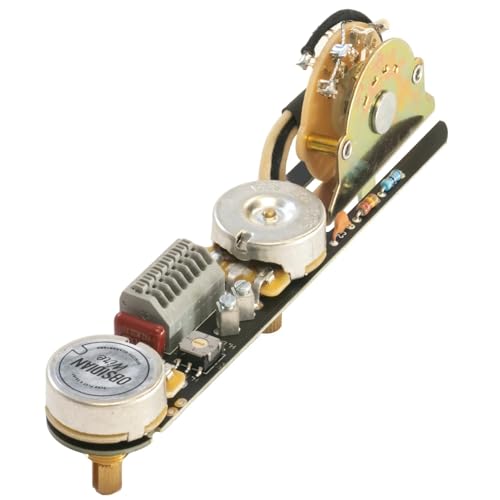
| Compatibility | Telecaster with humbucker pickups |
| Installation | Solderless wiring harness install |
| Wiring Configuration Modes | 4 optimization modes: HH, HS, SH, SS |
| Mounting Fitment | Designed to fit Telecaster routing and Fender Tele profile (Terres/adjustable square terrain inference from description) |
| Product Type | Solder-less pickup wiring harness for Telecaster |
| Price | $119.00 |
You flip the ObsidianWire Custom Universal for Tele into your rig, and the first thing that grabs you is how clean the solderless setup feels in your hands. The snug plug-in style for a Tele with a humbucker is surprisingly decisive, almost like the unit is guiding your pickups into a smarter wiring lane.
Moment one, you notice how the harness sits flat against the back cavity, with all four optimization modes clearly labeled for HH, HS, SH, and SS. Switching modes is as simple as a quick twist of the selector, and you can hear a subtle shift in tone without disturbing the rest of the control layout.
The build quality stands out in the small details: the connectors have a tactile snap, the cable loom stays neatly aligned, and the square-terrain adjusted mounting threads feel sturdy enough to withstand gigging wear. It’s the kind of thoughtful engineering that makes you forget you’re wiring a guitar at all, which is half the battle won.
Playability shines when you explore the HH and HS settings. The humbucker pair suddenly feels more controlled, with clearer string definition and less noise.
In single-coil modes, the brightness trades a touch of bite for note clarity that you actually hear in real performance contexts.
Installation time drops from “future project” to “done before halftime” thanks to the solderless approach. You can swap pickups or re-route tones without scraping wire insulation or juggling tiny solder joints, which is a genuine relief during a late-night setup session.
Overall, the ObsidianWire harness makes tele setups feel modern and adaptable, especially if you rotate through tones frequently. If you’re chasing practical, repeatable adjustments without the mess, this is the one you’ll reach for more often than not.
Pros
Cons
- Pricey for some players
- Requires exact compatibility
Domofa Loaded Guitar Control Plate for Telecaster Electric

- ✓ Clean, pre-assembled harness
- ✓ Solid chrome build
- ✓ Clearer tone with orange drop cap
- ✕ Slightly pricey for a plate
- ✕ Limited to Tele-style routing
| Control Plate Material | Chrome-plated metal |
| Potentiometer Type and Value | Full-size 500kΩ potentiometers (log/linear not specified) with split brass shaft |
| Capacitor Specification | 0.022µF capacitor (Orange Drop style) |
| Switch Type | 3-way blade switch with black tip |
| Cable/Pre-assembly | Fully loaded control plate with wiring harness pre-assembled for quick installation |
| Mounting Dimensions | Plate dimensions 160 mm x 32 mm; mounting hole center-to-center distance 150 mm |
You pop the Domofa Loaded Guitar Control Plate into your Tele with a grin, then catch a moment of how clean the harness looks once you unbox it. The chrome finish catches the light, and the full-size 500kΩ pots feel sturdy as you thread them into the quick-fit plate.
It’s all pre-assembled, so you’re not juggling tiny screws and loose wires—you’re just lining it up and tightening two mounting screws.
That 0.022uF orange drop cap stands out in the tonal chain, giving you a touch of sparkle without blasting your midrange. The 3-way blade switch with a black tip sits snug and clicky, so you’ll know exactly where your pickup selection lands.
The knurled knobs grip nicely, making dry, precise adjustments feel almost luxurious on a budget upgrade.
In use, the plate cleans up wiring chaos fast, especially if your guitar had a ragged harness before. You’ll notice your bridge and neck pickups breathe a bit more clearly, thanks to the clean signal path and quality caps.
The dimensions are generous enough to cover typical Tele cavities, and the center-to-center mounting distance helps you avoid misalignment if you’re swapping from a different vintage harness.
Installation is as advertised: plug, screw, and go. You don’t need extra solder or fiddling with loose leads, which means less guesswork and more playing time.
If you’re upgrading a cheaper guitar, you’ll hear the difference in clarity and presence without having to chase a louder output.
Overall, it’s a straightforward upgrade that feels solid and reliable. It’s not flashy, but the improvement to tone and consistency is real, especially if you want your pickups to shine through a cleaner signal path.
What Should You Look for in a Wiring Harness for Your Telecaster?
When choosing the best wiring harness for your Telecaster, consider the following factors:
- Quality of Components: Look for high-quality pots, capacitors, and wiring materials to ensure durability and optimal signal transfer.
- Wiring Configuration: Ensure the harness matches your Telecaster’s specific wiring configuration, whether it’s vintage, modern, or has unique features like coil-splitting.
- Shielding: A well-shielded wiring harness can reduce noise and interference, leading to a cleaner sound and better performance.
- Ease of Installation: Choose a harness that is easy to install, especially if you plan to do the installation yourself; pre-wired options can simplify this process.
- Compatibility with Pickups: Make sure the harness is compatible with the type of pickups you have, whether they are single-coil or humbucking, to maintain tonal quality.
- Price Point: Consider your budget; while high-end harnesses may offer superior sound, there are also affordable options that provide good quality for the price.
Quality of Components: The components of a wiring harness greatly influence its performance and longevity. High-quality pots (potentiometers), capacitors, and wires ensure that the signal is transmitted effectively without degradation, providing a clearer tone and better responsiveness.
Wiring Configuration: Telecasters can have different wiring configurations depending on the model and features. It’s crucial to select a wiring harness that matches your guitar’s specifications to avoid issues with functionality and to achieve the desired tonal characteristics.
Shielding: Proper shielding is essential in a wiring harness to prevent electromagnetic interference and radio frequency noise. A well-shielded harness will help maintain a clean signal, allowing your guitar to produce its best sound without unwanted hums or buzzes.
Ease of Installation: For those who prefer to do their own installations, a wiring harness that is designed for easy setup can save time and frustration. Pre-wired harnesses or those with clear instructions can make the process much more manageable, especially for beginners.
Compatibility with Pickups: The type of pickups you use can significantly affect how a wiring harness performs. Ensuring that the harness is designed to work with your specific pickups—whether single-coil or humbucker—will help maintain the intended tonal quality and responsiveness of your guitar.
Price Point: While investing in a high-quality wiring harness can enhance your Telecaster’s sound, it’s important to find options that fit within your budget. There are many affordable harnesses available that still offer good performance, allowing you to balance quality and cost effectively.
Why Is Wire Quality Critical for a Telecaster’s Sound?
Wire quality plays a crucial role in shaping the sound of a Telecaster. The wiring harness is the backbone of the guitar’s electrical system, directly influencing tone, clarity, and overall performance. Here are key factors highlighting the importance of wire quality:
-
Signal Integrity: High-quality wires ensure minimal resistance, allowing the electrical signal from the pickups to transmit unaltered. This retains the original tonal characteristics of the guitar.
-
Capacitance and Inductance: Different wire materials and gauge affect capacitance and inductance, which can color the sound. For example, stranded wires may introduce more capacitance than solid-core wires, impacting frequency response.
-
Durability: Quality wire withstands wear and tear, resist corrosion, and maintains performance over time. This longevity protects against signal loss that can occur due to degraded materials.
-
Shielding: Well-shielded wires reduce interference from external electromagnetic sources, resulting in cleaner output. Low-quality wiring often lacks proper shielding, leading to unwanted noise and hum.
Opting for a premium wiring harness can enhance the tonal richness and clarity of a Telecaster, making it a sound investment for both studio recordings and live performances.
How Do Potentiometers Influence Tone in Your Telecaster?
- Volume Potentiometers: Volume pots regulate the output level of the guitar’s signal, affecting how loud the instrument sounds when amplified.
- Tone Potentiometers: Tone pots adjust the treble frequencies by allowing certain frequencies to ground, enabling players to customize their sound further.
- Potentiometer Value: The resistance value of the pots (commonly 250k or 500k) can greatly influence the tone, with lower values typically producing a warmer sound and higher values offering brighter tones.
- Linear vs. Logarithmic Taper: The taper of the potentiometer affects how the volume or tone changes with rotation; logarithmic pots are preferable for volume control as they provide a more gradual increase in sound.
- Wiring Configuration: The way potentiometers are wired in the circuit can also affect the tonal characteristics, with different configurations allowing for unique tonal options and signal paths.
Volume pots are crucial for controlling how much signal reaches your amplifier, thereby directly influencing the loudness of your Telecaster. When set to maximum, the signal is at its peak, but turning it down can result in a more subtle, nuanced tone. Players often experiment with different pot values to find their desired output level.
The tone pots play a vital role in shaping the high frequencies of your sound. By adjusting the tone control, players can roll off excessive treble, resulting in a smoother, warmer tone that can be particularly beneficial when playing rhythm or blues styles. This adjustment allows for a wide range of tonal possibilities, from bright and cutting to warm and mellow.
The resistance value of the potentiometers is a fundamental aspect that can alter the tonal response of the guitar. A 250k pot is commonly used in Telecasters as it provides a balanced tone that complements single-coil pickups well, whereas a 500k pot will allow for a brighter, more open sound that can be preferred by some players. Choosing the right value is essential for achieving the desired tonal characteristics.
When considering linear versus logarithmic taper pots, the choice can significantly affect the player’s control over volume and tone. Logarithmic taper pots are generally recommended for volume adjustments because they provide a more intuitive response, allowing for smoother transitions as the knob is turned. In contrast, linear pots might offer a more uniform response but can feel abrupt in practical use.
Finally, the wiring configuration itself can create distinct tonal variations. For instance, a traditional Telecaster might use a simple wiring scheme that emphasizes clarity and brightness, while more complex configurations, such as using a push-pull pot for coil-splitting, can add versatility and depth to the sound palette. Exploring different wiring options can yield a customized tone that suits the player’s style.
What Are the Different Types of Wiring Harnesses for Telecasters?
The different types of wiring harnesses for Telecasters can significantly impact tone, functionality, and ease of installation.
- Standard Wiring Harness: This is the most common type, featuring a basic configuration that includes a 3-way switch, volume, and tone pots. It typically uses 22 AWG wire and is designed to provide a straightforward setup for traditional Telecaster sound without any frills.
- High-Quality Upgraded Harness: These harnesses often use premium components like audio-grade pots and capacitors, which can enhance tonal quality and reduce noise. They are tailored for players seeking improved performance and reliability in their Telecaster setup.
- Vintage Style Wiring Harness: Designed to replicate the wiring found in classic Telecasters, this harness utilizes cloth-covered wire and vintage-spec components. This type appeals to those who desire an authentic vintage tone and aesthetic for their instrument.
- Modern Wiring Harness: This type often includes additional features such as push-pull pots for coil splitting or phase switching. Modern harnesses cater to players looking for versatility and expanded tonal options, allowing for a wider range of sounds from their Telecaster.
- Custom Wiring Harness: These harnesses can be tailored to individual specifications, often featuring unique configurations of pots, switches, and pickups. This option is ideal for players who want a personalized setup that matches their specific tonal preferences and playing style.
What Advantages Do Pre-Wired Wiring Harnesses Offer?
Pre-wired wiring harnesses offer several advantages for guitar enthusiasts looking to enhance their Telecaster.
- Time Efficiency: Pre-wired harnesses save significant installation time, allowing players to quickly upgrade or replace their wiring without the need for extensive soldering and wiring knowledge.
- Consistent Quality: These harnesses are assembled under controlled conditions, ensuring that the components are of high quality and that the connections are reliable, which can lead to better sound and performance.
- Simplified Installation: With clear labeling and straightforward connections, pre-wired harnesses make it easy for even novice players to install and customize their guitars without the fear of making mistakes.
- Customization Options: Many manufacturers offer a variety of configurations tailored specifically for Telecasters, allowing players to choose the best wiring setup that suits their style, whether it’s for tone, volume, or switching capabilities.
- Reduced Noise and Interference: Pre-wired harnesses often come with high-quality components, such as shielded cables and proper grounding techniques, which help minimize unwanted noise and interference, resulting in cleaner sound production.
How Can Custom Wiring Harnesses Enhance Your Playing Experience?
- Improved Sound Quality: Custom wiring harnesses are designed to optimize signal flow, which can lead to a clearer and more dynamic sound. By using high-quality components like capacitors and potentiometers, they can reduce noise and enhance tonal clarity, making your Telecaster sound its best.
- Tailored Options: With custom wiring harnesses, you have the flexibility to choose features that suit your playing style. This can include options like different pickup configurations, push-pull pots for coil-splitting, or even treble bleed circuits, allowing you to personalize your tone and control.
- Ease of Installation: Many custom wiring harnesses come pre-wired and ready to install, which significantly reduces the complexity of upgrading your Telecaster. This makes it easier for musicians of all skill levels to enhance their instrument without needing extensive soldering skills.
- Durability and Reliability: A custom wiring harness is often made with more durable materials compared to stock components. This can lead to a longer lifespan and greater reliability, ensuring that your Telecaster performs consistently in various playing environments.
- Enhanced Resale Value: Installing a high-quality custom wiring harness can increase the overall value of your Telecaster. Potential buyers often appreciate the upgraded components and tailored features, making your instrument more appealing in the resale market.
Which Brands Manufacture the Best Wiring Harnesses for Telecasters?
Some of the top brands that manufacture the best wiring harnesses for Telecasters include:
- Fender: Fender is the original manufacturer of Telecasters and offers wiring harnesses that are tailored specifically for their guitars. Their products maintain the classic tone and feel that Telecaster players expect, using high-quality components that ensure reliability and performance.
- Emerson Custom: Emerson Custom is known for its premium wiring harnesses that feature high-quality capacitors and pots, designed to enhance the tonal quality of your Telecaster. Their harnesses often come pre-wired, which simplifies installation and allows for a more consistent sound across different setups.
- ToneShaper: ToneShaper provides customizable wiring harnesses that allow players to choose specific components tailored to their sound preferences. This flexibility makes it easy to create a unique tonal palette while maintaining high-quality craftsmanship and performance.
- Guitar Fetish: Guitar Fetish offers affordable wiring harness options that do not compromise on quality. Their products are designed for easy installation and are suitable for players looking to upgrade their Telecaster without breaking the bank.
- Allparts: Allparts is a well-respected supplier of guitar parts, including wiring harnesses for Telecasters. Their harnesses are made with high-grade materials and are known for their durability and reliability, making them a popular choice among both amateur and professional guitarists.
What Makes One Brand Stand Out in Quality Compared to Others?
| Brand | Quality | Materials Used | Price | Ease of Installation |
|---|---|---|---|---|
| Brand A | High-quality copper wiring, durable and reliable. | Premium copper and high-grade plastic components. | $70 – Mid-range pricing, good value for quality. | Simple installation process, user-friendly instructions. |
| Brand B | Good quality but may have issues with longevity. | Standard copper and average quality materials. | $50 – Affordable but compromises on durability. | Moderate difficulty, some experience may be required. |
| Brand C | Exceptional quality, designed for professional use. | High-end materials including silver-plated wiring. | $100 – Premium price, targeted at serious musicians. | Easy to install, comes with detailed guides. |
| Brand D | Very good quality, reliable for both amateurs and professionals. | High-quality copper and robust insulating materials. | $80 – Reasonably priced for the quality offered. | Straightforward installation, well-illustrated instructions. |
| Brand E | Decent quality, suitable for casual players. | Basic copper and plastic, not as durable. | $40 – Budget-friendly option with limited features. | Easy to install, no special tools required. |
How Do Brand Comparisons Guide Your Choice for a Wiring Harness?
| Brand | Quality | Price | Features |
|---|---|---|---|
| Brand A | High-quality materials, durable performance | $75 – Mid-range pricing | Includes upgraded pots and capacitors |
| Brand B | Standard quality, reliable for basic needs | $50 – Budget-friendly option | Basic components, easy installation |
| Brand C | Premium quality, top-notch reliability | $100 – Higher-end pricing | Customizable options, advanced wiring |
| Brand D | Decent quality, suitable for beginners | $30 – Low-cost option | Basic wiring setup, user-friendly |
| Brand E | Exceptional quality, favored by professionals | $120 – Premium pricing | High-grade materials, extensive customization options |
| All Brands | Varies by brand | N/A | 1-2 years warranty for most brands |
| All Brands | 4.5/5 for Brand A, 3.5/5 for Brand B, 4.8/5 for Brand C | N/A | Based on customer reviews |
What Common Installation Challenges Should You Be Aware Of?
- Incorrect Wiring Connections: One of the most common challenges is making incorrect connections between the components. This can lead to issues such as lack of sound, hum, or even damage to the guitar’s electronics. It’s essential to follow the wiring diagram closely and double-check each connection to ensure accuracy.
- Insufficient Soldering Skills: Many installers may struggle with soldering the connections properly. Poor soldering can result in weak joints that may break or fail over time, causing the guitar to malfunction. It’s important to practice soldering techniques and use the right tools to ensure a solid and reliable connection.
- Space Constraints: The cavity of a Telecaster can be quite cramped, making it difficult to fit all components neatly. This can lead to wires being pinched or components being improperly positioned, which may cause electrical shorts or affect the performance of the instrument. Careful planning and organization of the wiring layout can help mitigate this issue.
- Compatibility Issues: Not all wiring harnesses are compatible with every Telecaster model, which can lead to challenges during installation. Using a harness that doesn’t match the guitar’s specifications could result in functionality problems or require additional modifications. Always verify compatibility with the guitar model before purchasing a wiring harness.
- Grounding Problems: Proper grounding is crucial for reducing noise and ensuring the electronics work correctly. Poor grounding can result in unwanted hum or buzz, which can be frustrating for musicians. It’s vital to ensure that all grounding points are securely connected and that the grounding wires are properly routed.
- Component Quality: The quality of the wiring harness can significantly impact the installation experience and the final sound of the guitar. Low-quality components may fail or perform poorly, leading to a less-than-ideal outcome. Investing in a high-quality wiring harness can save time and frustration during installation.
How Can You Overcome Common Wiring Mistakes During Installation?
To overcome common wiring mistakes during installation, consider these effective strategies:
- Use Quality Wiring Harnesses: Selecting the best wiring harness for a Telecaster can significantly reduce errors during installation. High-quality harnesses often come pre-wired with color-coded wires and labeled connections, which help in easily understanding where each wire should be connected.
- Follow Wiring Diagrams: Utilizing detailed wiring diagrams specific to your Telecaster model can minimize confusion. These diagrams provide a clear visual guide to ensure that all components are connected correctly, thus avoiding common pitfalls in wiring layouts.
- Double-Check Connections: Before powering up your guitar, it’s crucial to double-check all connections. This step helps catch any loose or incorrectly placed wires that could lead to malfunction or damage, ensuring a smoother setup process.
- Use Heat Shrink Tubing: Protecting your connections with heat shrink tubing can prevent short circuits. This tubing not only insulates exposed wires but also provides strain relief, making your installation cleaner and more durable.
- Practice Patience: Taking your time during the installation process minimizes the chances of making mistakes. Rushing through the installation can lead to overlooked details, so a patient approach allows for careful handling and better outcomes.
What Are the Benefits of Upgrading Your Telecaster Wiring Harness?
- Improved Signal Clarity: Upgraded wiring harnesses often utilize higher quality components that can provide better signal transmission. This means that the sound produced is clearer, with less interference and noise, allowing the true tone of the guitar to shine through.
- Enhanced Tone Control: A better wiring harness can improve the functionality of tone and volume pots, resulting in a more responsive and effective tone shaping. This allows players to finely tune their sound, making it easier to achieve their desired tone without losing any dynamic range.
- Increased Durability: Many upgraded harnesses are built with sturdier materials, which can withstand the rigors of regular use. This means less chance of wear and tear and a longer lifespan for the components, ultimately saving money on replacements and repairs.
- Quieter Operation: High-quality wiring harnesses often feature better shielding and grounding, which minimizes unwanted hum and noise. This is particularly beneficial for players in live settings or recording environments where clarity and quietness are essential.
- Customizability: Upgrading allows for the option to choose components that match specific playing styles or tonal preferences. Players can select different pot values, capacitors, and pickup configurations that cater to their unique sound, providing a more personalized and enjoyable playing experience.
- Easier Installation: Many modern wiring harnesses come pre-wired, making installation straightforward and user-friendly. This is particularly advantageous for those who may not have extensive soldering skills, allowing for a hassle-free upgrade process.
How Does Upgrading Enhance Your Overall Tone and Performance?
Upgrading the wiring harness in a Telecaster can significantly enhance overall tone and performance. A quality wiring harness affects the instrument’s ability to transmit sound efficiently, directly impacting tonal clarity and dynamic range. Here’s how an upgrade can make a difference:
-
Improved Signal Quality: Higher-quality wire and components reduce signal loss and interference, resulting in a cleaner tone. This is particularly beneficial for maintaining clarity in high-gain settings or when using effects pedals.
-
Lower Noise Levels: Advanced wiring harnesses often include shielding that minimizes unwanted noise and hum. This is essential for players who perform in live settings, where background noise can be disruptive.
-
Better Component Options: Upgraded harnesses frequently utilize premium pots and capacitors, which can enrich the tonal palette. For example, using orange drop capacitors can provide a more balanced tone, while high-grade potentiometers ensure smoother volume and tone control.
-
Customization: Many upgraded harnesses offer options for different wiring configurations, such as the classic 3-way switch or 4-way options, allowing for more tonal versatility.
Investing in a better wiring harness not only enhances playability but also optimizes the overall sonic experience.
Related Post: