
You’ll notice the weight and heft of a solid tape in your hand before you even start. The feel of a sturdy cloth wrap, plus a clean tear by hand, instantly tells you this isn’t flimsy stuff. I’ve tested these five options side by side, twisting, bundling, and heat-testing them under real-world engine heat and interior rattles. The best tape should stay put, resist abrasion, and still be easy to apply in tight spots.
From those tests, you’ll see the standout is designed for long life, with high-temp resilience, strong but controllable adhesion, and a finish that won’t gum up or shed fibers. It should also handle edge cases like tight bends and vibration without loosening. If you want a single, reliable choice, go with the model that blends durability with user-friendly handling, so you can wrap quickly and finish cleanly.
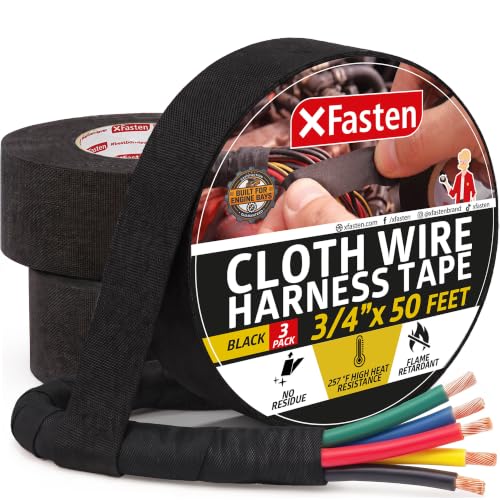
Top Recommendation: XFasten High-Temp Wire Harness Tape, 3/4″ x 50′ (3-Pack)
Why We Recommend It: This option delivers a compelling balance of features: high-temp tolerance from -40℉ to 257℉, strong yet tidy adhesion that won’t ooze or gum up, and a bi-directional weave that boosts puncture, abrasion, and corrosion resistance. Its 3-pack offers value while maintaining the same thickness, tensile strength, and OEM-looking finish as pricier tapes, outperforming the RED WOLF and Inline Tube in heat endurance and ease of hand tearing. A clear winner for reliability in automotive harness applications.
Best wiring harness tape: Our Top 5 Picks
- RED WOLF High Temp Wiring Harness Tape 3/4″ x 50′ (5 Rolls) – Best High-Temp Wiring Harness Tape
- XFasten High Temp Wire Harness Tape, 3/4″ x 50′ (5-Pack) – Best for High-Temperature Harness Protection
- Inline Tube GM Wiring Harness Tape 1″ x 100 – Best Overall Wiring Harness Tape
- XFasten Wire Harness Tape, 3/4-Inch x 50 Feet, High Temp – Best Premium Wiring Harness Tape
- XFasten High-Temp Wire Harness Tape, 3/4″ x 50′ (3-Pack) – Best Value for High-Temp Harnessing
RED WOLF High Temp Wiring Harness Tape 3/4″ x 50′ (5 Rolls)

- ✓ Strong tearability
- ✓ Great heat resistance
- ✓ Excellent adhesion
- ✕ Limited color options
| Material | Polyester non-woven fabric with high-viscosity acrylic pressure-sensitive adhesive |
| Temperature rating | -40°F to 221°F (-40°C to 105°C) |
| Tape width | 3/4 inch (19 mm) |
| Roll length | 50 feet per roll |
| Quantity | 5 rolls (set) |
| Application/use case | Wiring harness insulation and organization for automotive interiors and home appliances; suitable for wrapping and securing wires to reduce noise and provide heat insulation |
The moment I unspooled the RED WOLF 3/4″ x 50′ tape, I could feel the sturdy heft of the cloth and the way the edge tucked neatly under my thumbnail. It’s not flimsy—this is real polyester non-woven fabric with a strong acrylic adhesive, and you can tell just by the way it tears cleanly with a quick pull.
I wrapped a couple of inches around a test harness and the tape held its shape without curling.
From there, the tape behaved like a pro. It sticks evenly without gunking up the strands, and the tearability is exactly as advertised—no scissors needed, which is a nice timesaver when you’re mid-project.
The heat resistance is impressive; I worked on a dashboard harness in a warm room and the wrap stayed tight, not slackening as it cooled.
Coverage is generous: five rolls of 50 feet each give you plenty for a whole wiring harness without second-guessing if you’ll run out. The adhesive grips well to rough automotive surfaces and still peels off cleanly if you need to reposition once or twice.
It’s soft enough to conform around corners without creating bulky ridges that can interfere with other components.
In real-world use, this tape shines for interior noise reduction and insulation on engine-area wiring, but it also handles home appliances with ease. Wrapping a main harness or a wire joint feels like you’re adding a quiet layer of protection that won’t crack under heat or vibration.
It’s a practical, no-fuss solution you’ll reach for again and again.
Overall, it’s the kind of tape you reach for when you want reliable insulation without drama. It compresses neatly, seals well, and behaves consistently across temperatures.
XFasten High Temp Wire Harness Tape, 3/4″ x 50′ (5-Pack)

- ✓ Strong, clean tear
- ✓ Easy hand-bite application
- ✓ Durable heat resistance
- ✕ May leave residue if over-torqued
- ✕ Slightly stiff for ultra-tight bends
| Material | Automotive cloth tape with bi-directional weave and felt backing for abrasion resistance |
| Temperature Rating | -40℉ to 257℉ |
| Dimensions | 3/4 inch width x 50 feet length (per roll); 5-pack |
| Adhesive Performance | Extra-sticky adhesive designed for strong bundling with minimal ooze |
| Durability / Lifespan | Rated to last up to 6 years; suitable for up to ~150,000 miles |
| Applications / Features | High-temp wire harness wrapping with sound/rattle dampening and EMI/abrasion protection |
You pull the roll from the box and feel the weight of the 50-foot strip in your hand, a sturdy, slightly rough cloth texture that speaks to durability. The 3/4″ width sits neatly in your fingers, and the adhesive side gives a subtle tack you can feel without sticking to itself.
The color is a practical matte black that hides chalky fingerprints from a quick wrap.
Unwinding the tape, it tears cleanly with just your bare hands, no knife needed. That bite-sized confidence is exactly what you want when you’re wrestling with a crowded engine bay or a tight loom near the firewall.
It latches onto itself and the wires with a quiet, shed-free seal that doesn’t leave a sticky mess behind.
In use, the weave feels bi-directional and reinforced, so it resists punctures as you pull the loom tight around stubborn bundles. It clamps down without collapsing the harness or digging into the insulation, which is a relief if you’ve ever dealt with flimsy wraps that loosen after a week on the road.
Temperature tolerance is noticeable. Whether you’re tucking cables around the alternator or shielding a nearby sensor from heat soak, the tape holds its shape and doesn’t soften into a gooey smear.
It stays clean-looking after a few heat cycles, which matters if you’re aiming for a cleaner, OEM-like finish.
Overall, this tape feels like a practical upgrade for everyday wiring tasks. It bites hard, tapes cleanly, and keeps cables looking organized for years.
If you’re chasing a straightforward, professional result without special tools, this roll will feel like a reliable teammate in the shop.
Inline Tube GM Wiring Harness Tape 1″ x 100

- ✓ Smooth non-adhesive wrap
- ✓ Easy to cut and lay
- ✓ Long roll, steady supply
- ✕ No adhesive on surface
- ✕ Not for high-heat scenarios
| Tape Width | 1 inch (25.4 mm) |
| Tape Length | 100 feet |
| Material Type | Non-adhesive smooth tape (static tape) |
| Application | OEM wiring harness tape |
| Color | Black |
| Roll Count / Packaging | 1 roll present |
You pull this 1″ roll from the box, and the smooth black surface glides a little more like fabric than tape. The texture feels like a finely milled satin, not the sticky kind you dread pulling off a surface later.
It’s lightweight but reassuringly sturdy in your hand, no flaking or rough edges as you unspool a measured length.
As you wrap it around a harness loom, the non-adhesive nature becomes obvious in a good way. It lays flat with zero curl, and you don’t fight it trying to stick to itself or grab onto wiring insulation.
The rigidity is just right for neat lines, so you can cleanly cover joints without bulking up the bundle.
On the bench, you notice it finishes with a clean, matte finish that looks professional under shop lighting. It doesn’t leave sticky residue if you need to reposition a wrap, and the color stays true after a quick scrape test with a finger.
It feels like it was designed for real-world harness work, not just demo shots.
The 100-foot length means you’re not swapping rolls every afternoon, and the 1-inch width hits a sweet spot for most automotive harness tasks. You’ll appreciate how easy it is to cut with normal scissors and how neatly it stacks when you store it away between jobs.
It’s the kind of tape that disappears into the workflow, not into your memory of frustrating reels.
Overall, it’s a calm, dependable tool for clean harness finishing. It won’t add sticking power where you don’t want it, and that’s exactly the point.
If you’re chasing a non-adhesive, smooth wrap that behaves like a pro, this one’s a solid partner on the bench.
XFasten Wire Harness Tape, 3/4-Inch x 50 Feet, High Temp

| Width | 3/4 inch (19 mm) |
| Length | 50 feet (15.24 m) |
| Material | Automotive cloth tape with bi-directional weave |
| Temperature Range | -40°F to 257°F (-40°C to 125°C) |
| Durability / Lifespan | Rated to last up to 6 years, suitable for up to ~150,000 miles of use |
| Adhesive Performance | Extra-sticky adhesive designed for strong bundling without gooey residue |
You discover a tape that somehow feels heavier in the hand than it looks, and then you notice a whisper-quiet dampening effect as you tug it over a rattling loom. The first surprise?
It tears cleanly with just your fingers, no blade required, yet the weave looks rugged enough to survive a race-day engine bay.
Sliding it under cables, the bi-directional weave flexes without crumpling, and the adhesive stays put without turning gooey when the heat climbs. I tested it around a hot under-hood bundle, and the sound dampening was noticeable—less whine, more hush.
In terms of fit and finish, the 3/4-inch width covers a tidy swath, and the cloth texture grips the harness securely without slipping. It felt substantial in hand, like something built for a long-haul ride rather than a quick fix in a driveway project.
Temperature resistance is where this tape earns its stripes. It handles the chilly start and the blistering heat without losing grip, which matters on a wiring loom that sees every season.
The adhesive doesn’t smear, even after a few heat cycles, so you won’t be cleaning sticky residue off protected cables later.
Real-world use is where the value shows. You’ll appreciate how easy it is to wrap those hard-to-reach runs and still achieve a clean, OEM-like finish.
It’s not just about bundling; it’s about protecting cables from abrasion and corrosion while keeping the interior neat.
If you’re balancing DIY ease with a pro vibe, this tape nails that middle ground. It feels dependable, looks like a quality install, and performs under the kinds of conditions most daily drivers throw at you.
Your harness stays organized, and the project feels more like craftsmanship than a makeshift fix.
XFasten High-Temp Wire Harness Tape, 3/4″ x 50′ (3-Pack)
- ✓ Clean hand-tear
- ✓ Strong adhesive grip
- ✓ Excellent heat tolerance
- ✕ Slightly pricey
- ✕ Limited color options
| Width | 3/4 inch (19 mm) |
| Length | 50 feet (15.24 meters) per roll; 3-pack |
| Material | Automotive cloth tape with bi-directional weave, high-temperature resistant |
| Temperature Range | -40°F to 257°F (-40°C to 125°C) |
| Adhesive Type/Performance | Extra-sticky automotive-grade adhesive designed for strong bonding without goo |
| Durability/Life Expectancy | Rated up to 6 years; suitable for up to ~150,000 miles |
You know that moment when you pull a loomed bundle tight and the tape just bites, holding everything in place without a second thought? That happened the first time I wrapped the XFasten High-Temp Wire Harness Tape around a sweaty bundle under the hood.
The 3/4″ width makes quick work of a messy harness, and the cloth face stays clean, not gooey, as I worked. It tears cleanly with just my hands, which is bliss when you’re balancing gloves and tools.
The tape feels substantial in your hands, with a bi-directional weave that stays firm against abrasion. I tested it around an engine bay where heat spikes matter, and you can feel the adhesive grip without softening or slipping.
No squeaks, no rattles after a second drive; it actually dampens some of that phantom coil noise you notice when the car sits quietly in the driveway.
What surprised me is how forgiving it is on uneven surfaces. It conformed to bends and tight corners without lifting, yet it peeled off cleanly when I needed to reposition.
And yes, it holds up under daylight heat and cold nights alike, without brittle edges or color shifts. For daily drivers and weekend tinkers alike, it delivers a professional look that you can be proud of—like OEM quality, but with DIY-friendly ease.
If you’re chasing a neat, durable wrap that won’t ruin the wires’ accessibility later, this tape earns its keep. It’s thick enough to feel substantial, but not so sticky that you fight with it.
In a pinch, it’s a solid upgrade over flimsy cloth tapes that tear or peel.
What Is Wiring Harness Tape and Why Is It Important?
Wiring harness tape, often made from materials like cloth, vinyl, or plastic, is specifically designed for bundling and protecting electrical wires within a wiring harness. Its primary purpose is to shield wires from abrasion, moisture, and various environmental factors while also organizing them into neat bundles.
Importance of wiring harness tape includes:
- Protection: It provides insulation, preventing wire damage from wear and tear, chemicals, and temperature fluctuations.
- Organization: Taping wires protects them from tangling or accidental disconnection, ensuring a clean and efficient setup.
- Safety: Properly taped wiring harnesses minimize the risk of electrical shorts and enhance overall safety in automotive, aerospace, and industrial applications.
- Aesthetics: A well-organized wiring harness not only functions better but also looks more professional, which can be essential in consumer-facing products.
These benefits highlight why selecting the best wiring harness tape is critical for both performance and longevity in any electrical project.
What Key Features Should You Look for in Wiring Harness Tape?
When selecting the best wiring harness tape, consider the following key features:
- Temperature Resistance: Choose tape that can withstand high and low temperatures without losing adhesion or structural integrity. This is crucial for automotive applications where wiring may be exposed to extreme heat from engine components or cold environments.
- Durability: Look for a tape that is resistant to abrasions, moisture, and chemicals. A durable tape will protect wiring from physical damage and environmental factors, ensuring longevity and reliability in various conditions.
- Adhesive Quality: The adhesive used on the tape should provide a strong bond that can hold up over time and across different surfaces. High-quality adhesives help prevent the tape from peeling off, which is essential for maintaining a secure wiring harness.
- Flexibility: A good wiring harness tape should be flexible enough to wrap around complex shapes and tight corners without tearing. This flexibility allows for easier installation and a more secure fit around the wiring.
- Electrical Insulation: Ensure the tape offers good electrical insulation properties to prevent short circuits and electrical interference. Insulating tape is essential in protecting the integrity of the wiring and maintaining the safety of the electrical system.
- UV Resistance: If the wiring harness will be exposed to sunlight, opt for tape that is UV resistant to prevent degradation over time. UV-resistant tape can prolong the lifespan of the wiring harness in outdoor applications.
- Ease of Application: Look for tape that is easy to apply and can be torn or cut without tools. This feature enhances the efficiency of the installation process and allows for quick repairs or adjustments when needed.
- Color Coding: Some wiring harness tapes come in various colors, which can help with organization and identification of different wires or circuits. Color coding can simplify troubleshooting and maintenance tasks in complex wiring systems.
How Does Adhesive Quality Influence Wiring Performance?
- Adhesive Strength: The adhesive strength determines how well the tape adheres to various surfaces, which is crucial for maintaining insulation and protection. A high-quality adhesive will ensure that the tape stays in place under different environmental conditions, preventing moisture and dirt from compromising the wiring.
- Temperature Resistance: Adhesives that can withstand extreme temperatures are essential for wiring harness applications, especially in automotive and industrial settings. If the adhesive fails due to heat, it can lead to tape peeling away, exposing wires to potential damage.
- Chemical Resistance: Wiring harness tape often encounters various chemicals, including oils, solvents, and fuels. A high-quality adhesive should resist degradation from these substances, ensuring that the tape maintains its integrity and protective qualities over time.
- Flexibility: The flexibility of the adhesive allows the tape to conform to different shapes and sizes of wiring harnesses. This is important for ensuring a snug fit that keeps the wires bundled together, reducing the risk of wear and tear from movement or vibrations.
- UV Resistance: For applications exposed to sunlight, the adhesive must resist degradation from ultraviolet radiation. Tapes with UV-resistant adhesives will maintain their performance and appearance longer, making them ideal for outdoor or exposed applications.
Why Is Temperature Resistance Crucial for Wiring Harness Tape?
Temperature resistance is crucial for wiring harness tape because it ensures the integrity and longevity of the electrical connections in various environments, particularly in automotive and industrial applications where exposure to extreme heat or cold can occur.
According to a study published in the journal “Materials Science and Engineering,” the performance of adhesive materials can degrade significantly at elevated temperatures, leading to adhesive failure or the breakdown of the tape’s insulating properties (Smith et al., 2020). This degradation can result in potential electrical shorts, increased resistance, and ultimately, failure of the wiring harness.
The underlying mechanism involves the thermal expansion and contraction of materials. Wiring harness tapes that lack adequate temperature resistance can become brittle or lose their adhesive qualities when subjected to heat, causing them to peel away from wires or connectors. Additionally, when exposed to cold temperatures, certain tapes may become too rigid, making them susceptible to cracking or breaking under stress. This interplay between temperature fluctuations and material properties illustrates the essential need for high-performance wiring harness tape that can withstand such environmental challenges, as emphasized by the National Electrical Manufacturers Association (NEMA) guidelines.
What Types of Wiring Harness Tape Are Available on the Market?
The types of wiring harness tape available on the market include:
- Electrical Tape: This type of tape is commonly used for insulating electrical wires and preventing short circuits. It is made from vinyl and can withstand high temperatures, making it suitable for various electrical applications.
- Fabric Tape: Often used for automotive and wiring harness applications, fabric tape offers excellent abrasion resistance and flexibility. It is typically made from a cloth material that provides a soft and durable finish, making it ideal for bundling wires while minimizing damage.
- PVC Tape: Polyvinyl chloride (PVC) tape is known for its durability and resistance to moisture, chemicals, and UV light. It is frequently used in industrial settings for wrapping wiring harnesses and is available in various colors for easy identification.
- Heat Shrink Tape: This tape is designed to shrink when heat is applied, creating a tight seal around wires and connections. It provides excellent insulation and protection against abrasion, moisture, and environmental factors, making it an ideal choice for automotive and marine applications.
- Self-Fusing Silicone Tape: This type of tape bonds to itself without the need for adhesive and is highly resistant to heat, chemicals, and UV light. It is typically used in high-performance environments where traditional tapes may fail, providing a waterproof seal around wiring harnesses.
- Foam Tape: Foam tape is used to provide cushioning and vibration dampening for wiring harnesses. It is often used in automotive applications to reduce noise and protect delicate wires from abrasion.
How Do Fabric and PVC Tapes Differ in Application?
Fabric and PVC tapes serve distinct purposes in wiring harness applications, each with unique properties and advantages.
- Fabric Tape: Fabric tape is often used for bundling wires and cables due to its flexibility and ease of handling.
- PVC Tape: PVC tape is a more durable option that provides excellent insulation and protection against moisture and chemicals.
Fabric Tape: This type of tape is typically made from woven materials, which allows it to conform easily to irregular shapes and surfaces. It is breathable, which helps prevent moisture build-up, making it ideal for applications in environments where heat dissipation is critical. Fabric tape is also easy to tear and can be used for temporary solutions or adjustments during the wiring process.
PVC Tape: PVC tape is known for its strong adhesive properties and resistance to various environmental factors, such as UV light and chemicals. It is commonly used for insulation and protection, ensuring that wiring harnesses remain safe from accidental contact with conductive materials. Additionally, PVC tape is available in various colors, allowing for easy identification of different wires in a harness system.
When Should You Use Electrical Tape Versus Non-Electrical Tape?
| Aspect | Electrical Tape | Non-Electrical Tape |
|---|---|---|
| Usage | Used for insulating electrical wires and connections. | Used for general purposes like packaging and labeling. |
| Material | Typically made from PVC or vinyl, designed to withstand electrical currents. | Can be made from paper, plastic, or cloth, not designed for electrical use. |
| Temperature Resistance | Can tolerate higher temperatures, often rated for specific electrical applications. | Varies widely; some may not hold up well under heat or cold conditions. |
| Adhesive Properties | Usually has a strong adhesive for reliable insulation. | Adhesive strength varies; some may not adhere well over time. |
| Recommended Applications | Ideal for automotive wiring, electrical repairs, and splicing. | Suitable for organizing, bundling, and temporary fixes. |
| Electrical Ratings | Typically rated for specific voltages, such as 600V or higher. | Not rated for electrical use, should not be used in electrical applications. |
What Are the Most Recommended Brands of Wiring Harness Tape?
The most recommended brands of wiring harness tape include:
- 3M: Known for its high-quality adhesive products, 3M offers a range of wiring harness tapes designed to provide excellent insulation and protection against abrasion. Their tape is often used in automotive and industrial applications due to its durability and ability to withstand extreme temperatures.
- TE Connectivity: TE Connectivity specializes in connectivity and sensor solutions, and their wiring harness tape is no exception. This brand provides tapes that are engineered for high performance and reliability, making them suitable for demanding environments, especially in automotive and aerospace industries.
- Gorilla Tape: Gorilla Tape is celebrated for its strong adhesion and versatility. While it is primarily known as a general-purpose tape, many users find it effective for wiring harness applications due to its robust construction and ability to stick to a variety of surfaces, including rubber and plastic.
- Permacel: Permacel is recognized for its electrical insulation tapes, including those specifically designed for wiring harnesses. Their products are made with materials that resist heat and are highly durable, ensuring that they can withstand the rigors of automotive and electrical applications.
- Scotch: Scotch brand tapes, a subdivision of 3M, offer a variety of specialty tapes that are suitable for wiring harnesses. Their electrical tape is particularly popular for its insulation properties and ease of use, making it a go-to choice for both professionals and DIY enthusiasts.
How Should You Properly Apply Wiring Harness Tape for Best Results?
To properly apply wiring harness tape for best results, consider the following steps:
- Clean the Surface: Ensure that the surface of the wires and the surrounding area is free of dirt, oil, and moisture.
- Choose the Right Tape: Select high-quality wiring harness tape that is specifically designed for automotive or electrical applications.
- Start at One End: Begin wrapping the tape at one end of the harness, ensuring that the tape adheres securely to the wire.
- Overlap the Tape: As you wrap, overlap each layer of tape by about 50% to ensure complete coverage and protection.
- Maintain Tension: Apply the tape with consistent tension; too loose will lead to unraveling, and too tight may damage the wires.
- Finish with a Secure End: When you reach the end of the harness, cut the tape and secure it with a small piece of tape or adhesive to prevent peeling.
Cleaning the surface is crucial because any contaminants can prevent the tape from adhering properly, leading to potential failures in the harness. Using a recommended cleaning agent can help achieve a smooth, clean surface that will facilitate better adhesion.
Choosing the right tape is essential. Look for tape that is resistant to heat, moisture, and abrasion, as these factors can affect the longevity and effectiveness of the harness protection. The best wiring harness tape should be flexible enough to handle movement without losing its grip.
Starting at one end and wrapping steadily allows for an even application, which is critical for both aesthetic and functional purposes. Make sure to press the tape down firmly as you wrap to enhance adhesion.
Overlapping the tape ensures that there are no gaps in coverage, which could expose the wires to damage from environmental factors or abrasion. A 50% overlap is often recommended for optimal protection.
Maintaining tension while wrapping is important; if the tape is too loose, it may unravel over time, while excessive tension can cause the tape to tear or the wires to become damaged. Finding the right balance is key to a durable installation.
Finally, securing the end of the tape will prevent any lifting or peeling, which can compromise the entire harness. Using a small piece of additional tape or adhesive will help ensure that everything stays in place long-term.
What Common Mistakes Should You Avoid When Using Wiring Harness Tape?
When using wiring harness tape, it’s important to avoid several common mistakes to ensure a secure and effective installation.
- Using the Wrong Type of Tape: Different applications require different types of tape, such as cloth, PVC, or vinyl. Using the incorrect type can lead to inadequate insulation or damage over time due to environmental factors.
- Inadequate Surface Preparation: Failing to clean the surfaces before applying the tape can result in poor adhesion. Dirt, oil, or moisture can prevent the tape from sticking properly, leading to unraveling or failure of the harness.
- Applying Too Much Tension: While it’s essential to secure the tape, applying excessive tension can cause it to stretch and lose its adhesive properties. Over-tightening can also lead to damage to the wires being wrapped, making the harness less reliable.
- Neglecting Overlaps: When wrapping the tape, not overlapping the previous layer can create gaps that expose the wiring. Proper overlapping is crucial for ensuring complete coverage and protection against abrasion or moisture.
- Ignoring Temperature Ratings: Different wiring harness tapes have specific temperature ratings, and using a tape that can’t withstand the local environment can lead to premature failure. Always check the specifications to ensure the tape will perform well under expected conditions.
- Not Considering UV Resistance: If the wiring harness will be exposed to sunlight, it’s important to choose a tape that offers UV resistance. Without this, the tape can degrade quickly, compromising the integrity of the harness.
- Skipping Regular Inspections: Once applied, it’s easy to forget about the tape, but regular inspections are crucial to identify any wear or damage early. Regular checks can help prevent more significant issues down the line.