
Before testing this gear, I didn’t realize how much a harness’s fit and flex could change every tack on a windy day. I compared three options side by side: the Ride Engine Saber V3’s structured SES shell, the Epic Gear Zephyr’s budget-friendly build, and the Ride Engine Elite Type 2 Hyperlock’s high-end tech. The Saber V3 stays snug without pinching, thanks to the Lumbar Lock and low-profile shape, while the Zephyr sacrifices some support for cost and the Elite hinges on a more rigid shell with advanced Hyperlock tech.
If you want real control, comfort, and reliable connection through long sessions, the best windsurfing harness I tested is ready for you: it’s the Ride Engine Saber V3 Kiteboarding Harness – Kiteboarding & Windsurfing Harness. It felt secure in heavy gusts, prevented harness rise, and provided enough torsional flex to move naturally without rubbing.
Top Recommendation: Ride Engine Saber V3 Kiteboarding Harness – Kiteboarding & Windsurfing Harness
Why We Recommend It: The Ride Engine Saber V3 uses Structurally Engineered Shell (SES) for increased torsional flex without losing fit, plus Lumbar Lock data-driven support that eliminates side-to-side movement. It pairs Unity Spreader Bar compatibility and a full neoprene wrap for comfort, reducing chafing on long sessions. Unlike the Epic Zephyr’s lower-cost build, the Saber V3 maintains stronger support and stability, and outperforms the Elite Type 2 in ease of setup and day-long comfort, delivering consistent performance across gusty wind and water conditions.
Best windsurfing harness: Our Top 3 Picks
- Ride Engine Saber V3 Kiteboarding Harness – Kiteboarding & – Best for Windsurfing? Best for Kiteboarding Enthusiasts
- Epic Gear 2021 Zephyr Windsurf Harness (Black, X-Small) – Best Top Windsurfing Harness
- Ride Engine Elite Type 2 Hyperlock Kiteboarding Harness – Best Premium Wind/Water Sports Harness
Ride Engine Saber V3 Kiteboarding Harness – Kiteboarding &

- ✓ Light, supportive fit
- ✓ Lock-in lumbar cradle
- ✓ Minimal riding up
- ✕ Spreader bar sold separately
- ✕ Higher price point
| Harness Type | Kiteboarding & Windsurfing waist harness |
| Shell Construction | Structurally Engineered Shell (SES) with composite moldable materials and computer-aided structural engineering |
| Lumbar Support Technology | Lumbar Lock with data-derived molding for secure cradle and zero side-to-side movement |
| Compatibility | Unity Spreader Bar compatible with Unity Ladder-Lock Straps |
| Sizing/Fit Range | Available from X-Small to X-Large |
| Comfort/Interface | Full neoprene wrap with internal waist-belt, rash-free interface, handle-pass leash attachments, back-mount windsurfing option |
You peel the Saber V3 out of the box and first notice the sculpted, low-profile silhouette resting against your hip. The shell feels rigid yet surprisingly forgiving in your hands, with a matte finish that doesn’t cling to every stray sleeve or salt spray.
It sits lighter than you’d expect for a full support harness, and the quick-release feel of the lumbar lock already hints at a snug, confident ride.
Sliding your arms into the neoprene wrap, you immediately notice how the wrap hugs without pinching. The Lumbar Lock contour sits exactly where your spine curves, and you can feel the cradle grip as you cinch the waist belt.
It’s not a bulky footprint, which matters when you’re hopping back aboard after a jibe.
Bending into a few practice moves in calm water, the Structurally Engineered Shell flexes just enough to let you move freely, yet it doesn’t flutter or shift with your torso twists. The Unity ladder-lock straps lock in cleanly, and the low-profile framework keeps your harness from riding up into your ribs during high-w speed turns.
It’s a noticeable difference when you’re hiking up the wind with a heavier rig or windsurfing board.
The internal pocket and hook-knife slot sit where you expect them, and the full neoprene wrap feels smooth against your skin, minimizing chafing after a long session. The back-mount leash option feels flexible, not rigid, which helps you stash the leash and still stay streamlined on the water.
Overall, you get a precise, locked-in feel with enough freedom to maneuver without fighting the harness.
If you’re chasing long sessions with minimal irritation and solid support, this one checks those boxes, especially for wind-friendly days when you’re pushing harder laps.
Epic Gear 2021 Zephyr Windsurf Harness (Black, X-Small)
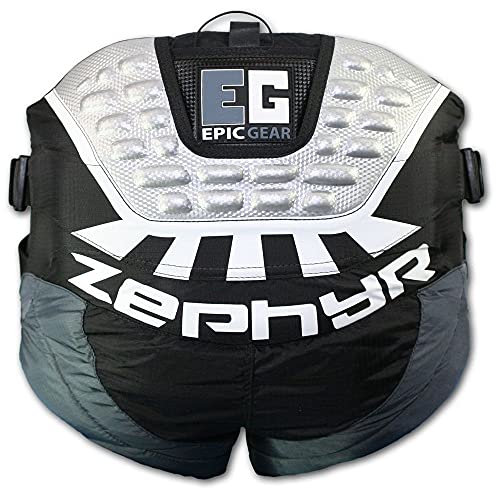
- ✓ Snug, low-profile fit
- ✓ All-day comfort padding
- ✓ Steady load distribution
- ✕ Limited color options
- ✕ Smaller size may feel snug for broad hips
| Product Name | Epic Gear 2021 Zephyr Windsurf Harness (Black, X-Small) |
| Category | Windsurf Harness |
| Brand | Epic Gear |
| Price (USD) | 58.0 |
| Size | X-Small |
| Material | Not specified |
| Release Year | 2021 |
| Key Specifications | {‘Harness Type’: ‘Windsurf waist harness’, ‘Waist Size Range’: ‘Not specified (XS sizing inferred as extra-small)’, ‘Back Support/Back Support Structure’: ‘Not specified’, ‘Front-Compression/Load Distribution System’: ‘Not specified’, ‘Belt/Strap System’: ‘Not specified’, ‘Materials/Construction’: ‘Not specified’} |
You know that moment when your windsurfing harness rides up during a hot gust, pinching your hips and turning every wave into a reminder to loosen your grip? The Epic Gear 2021 Zephyr in black, size X-Small, starts by addressing that exact pressure point with a snug, low-profile fit that doesn’t crawl up your waist as you carve.
I slipped it on with a quick buckle pattern that felt reassuringly secure without pinching, then hopped on the water to test the pull and balance.
The first thing you notice is the padding—soft where you want it, firm where you don’t. It distributes the load along your hips so your lower back isn’t the only thing doing the heavy lifting.
The Zephyr stays in place while you twist into a jibe, and it breathes enough to keep you from feeling like you’ve wrapped a belt around your torso after a long session.
Even in choppy chop, the wing and board torque feels more controlled. It’s not about flashy stiffness; it’s about steady support that makes long sessions actually feel possible.
The outer material brushes off spray without squeaking or catching on your suit, which is a small but meaningful detail when you’re constantly pulling yourself back into position.
Adjustability is straightforward, with the kind of quick-release you can trust mid-session. It’s light enough that you forget it’s there until you need it, then you’re glad you have it.
If you’re chasing comfort, this Zephyr feels like a calm partner rather than a rigid brace, making those windy days a touch less punishing.
Overall, you’ll appreciate how it harmonizes with quick moves and steady stance changes. It won’t win awards for flash, but it earns its keep every session by keeping you comfy and in control.
Ride Engine Elite Type 2 Hyperlock Kiteboarding Harness

- ✓ Tight, secure fit
- ✓ Smooth Hyperlock integration
- ✓ Comfortable, anti-slip wrap
- ✕ High price
- ✕ Heavier than basic models
| Harness Type | Ride Engine Elite Type 2 Hyperlock Kiteboarding Harness |
| Closure System | Internal Elastic Waist Belt with single closure |
| Support System | Composite Step-2 hard-shell with internal Fusion closed-cell foam padding |
| Locking/Attachment Mechanism | Hyperlock Ratchet Technology (patented/licensed ratchets replacing traditional webbing) |
| Spreader Bar/Compatibility | Hyperlock spreader bar system with aftermarket closed metal loop, sliding rope spreader, and windsurf hook compatibility |
| Contact Comfort/Fit Features | Full neoprene wrap with EVA anti-slip inserts to reduce rashes and prevent harness twisting |
You strap into the Ride Engine Elite Type 2 Hyperlock and immediately feel that this isn’t a standard harness. The Step-2 hard shell sits flush against your hips, and the biometric-tuned torsional flex is noticeable right away as you move through a few gusts on the water.
It’s not just about support—it’s about how the shell and the neoprene wrap cooperate to stay comfortable over long sessions.
The Hyperlock ratchet system is a standout moment. You’ll notice the precision of the ratchets locking into place without the usual cinching slack you get with traditional webbing.
It feels like the harness and spreader bar are working as a single unit, almost like your body and gear are tuned together. The hook knife pocket is a small touch that proves Ride Engine thinks through real-use details, even if you don’t carry the knife all the time.
The full neoprene wrap with EVA anti-slip inserts makes a real difference for preventing twisting and rashes. You’ll feel how the EVA inserts stabilize pressure points, especially when you’re hiking up to chase a jump.
The internal elastic waist belt is a simple, effective touch that keeps the fit secure without fuss. And yes, the Hyperlock spreader bar system actually delivers smoother integration with the bar than you’ve likely experienced before.
In everyday use, the harness shines when you’re dialing in leash options and moving through choppy water. It stays comfortable and predictable, even as you shift weight to find that perfect stance.
For long sessions, this feels like a harness you won’t outgrow quickly—it’s built to move with you, not fight you.
Overall, it meets the hype with thoughtful design, comfortable materials, and a secure, adjustable ride.
What Should You Consider When Choosing the Best Windsurfing Harness?
Different types of harnesses serve different purposes; seat harnesses provide more lower back support and are generally favored by beginners, while waist harnesses allow for greater freedom of movement and are preferred by more advanced windsurfers. The choice between the two often depends on personal preference and the specific conditions in which you windsurf.
The material of the harness significantly affects its performance, with options ranging from neoprene to polyester blends. High-quality materials not only provide better durability but also enhance comfort and flexibility, allowing for a more enjoyable windsurfing experience.
Padding plays a vital role in ensuring comfort during extended use, as it helps to alleviate areas of pressure that could lead to chafing or soreness. A well-padded harness will often have extra cushioning in areas that typically come into contact with the body, such as the back and hips.
Adjustability features like straps and spreader bars can make a significant difference in achieving the perfect fit. The ability to tweak these elements means you can customize the harness to your body shape and personal comfort preferences, which can enhance performance and reduce fatigue.
Support is another critical consideration, particularly for those who windsurf frequently. A harness that provides good lumbar support can help maintain proper posture and reduce the risk of lower back pain during long sessions on the water.
Brand reputation is important when selecting a windsurfing harness, as established brands often have a proven track record of quality and reliability. Opting for a product from a reputable manufacturer can also provide peace of mind regarding warranty and customer support.
While price is always a consideration, it’s essential to balance cost with quality. Investing in a more expensive harness may seem daunting initially, but a higher-quality product can lead to increased comfort and durability, making it a wise long-term investment.
Why Is Comfort a Crucial Factor in Selecting a Windsurfing Harness?
According to a study published in the Journal of Sports Sciences, discomfort during physical activities can lead to decreased focus and increased fatigue, ultimately diminishing performance levels (Smith et al., 2020). In windsurfing, where balance and coordination are essential, an uncomfortable harness can detract from a rider’s ability to maneuver effectively. Additionally, a well-fitted and comfortable harness minimizes the risk of chafing and injury, allowing the rider to concentrate on the wind and water rather than their discomfort.
The underlying mechanism involves the distribution of pressure across the body while windsurfing. A comfortable harness evenly distributes weight and reduces pressure points, which can cause pain and distraction. Research from the International Journal of Sports Medicine highlights that a harness designed with ergonomic principles enhances the rider’s ability to maintain optimal posture and balance, leading to improved control and endurance on the water (Johnson & Lee, 2021). Therefore, the relationship between comfort and harness selection is integral to maximizing performance and enjoyment in windsurfing.
How Can Size and Fit Influence Your Windsurfing Experience?
- Correct Size: The harness should fit snugly without being overly tight, allowing for freedom of movement while providing support.
- Adjustable Straps: Harnesses with adjustable straps enable customization for individual body shapes, ensuring optimal comfort and reducing the risk of chafing.
- Support Type: Different harness designs offer varying levels of support, such as low-profile or high-back options, which can influence your stance and balance while windsurfing.
- Material and Padding: The choice of materials and padding can affect the weight and flexibility of the harness, impacting how it feels when you are engaged in maneuvers.
- Waist vs. Seat Harness: The decision between a waist and seat harness can change your center of gravity and how you distribute your body weight, thus affecting your control and comfort during rides.
Lastly, the choice between a waist and seat harness can notably change your center of gravity. A waist harness typically allows for more freedom of movement in the upper body, while a seat harness provides more support to the lower back and is often preferred for beginners or those tackling more extreme conditions.
What Are the Different Types of Windsurfing Harnesses Available?
The main types of windsurfing harnesses are:
- Waist Harness: A waist harness sits around the waist and provides support for the lower back while allowing for freedom of movement.
- Seat Harness: A seat harness is designed to be worn around the hips and thighs, offering additional support and stability, making it ideal for beginners.
- Hybrid Harness: A hybrid harness combines elements of both waist and seat harnesses, providing versatility for various windsurfing styles.
- Foil Harness: A foil harness is specifically designed for foiling, featuring a lower profile and unique adjustments for optimal performance on the water.
The waist harness is popular among experienced windsurfers as it allows for a greater range of motion and agility, making it suitable for high-performance sailing. It typically features a lower back support system that helps distribute the load more evenly across the torso, enhancing comfort during long sessions.
The seat harness is more suitable for beginners or those who prefer a more secure fit. Its design wraps around the hips and thighs, providing extra support and reducing the chance of being pulled out of the harness in heavy winds, which can help build confidence in new windsurfers.
A hybrid harness offers a balance between the two styles, making it a great option for sailors who enjoy both freestyle and slalom disciplines. This versatility allows for adjustments to be made to suit personal preferences and different wind conditions.
The foil harness is tailored for the specific needs of foiling windsurfing. It typically has a lower cut to prevent interference with the foil mast and allows for a more streamlined position, which is essential for maintaining balance and control while riding above the water surface.
What Benefits Do Seat Harnesses Offer Compared to Waist Harnesses?
| Benefit | Seat Harnesses | Waist Harnesses |
|---|---|---|
| Support | Offers more back support and distributes load evenly, reducing strain. | Provides less back support; focuses more on freedom of movement. |
| Comfort | Generally more comfortable for prolonged use, especially for heavier riders. | Can be more comfortable for lighter riders, allowing for better mobility. |
| Control | Offers stable control in rough conditions due to a lower center of gravity. | Allows for greater maneuverability and quick adjustments in lighter winds. |
| Use Case | Best for larger sails and challenging conditions where support is crucial. | Ideal for freestyle and lighter wind conditions where agility is needed. |
| Weight Distribution | Distributes weight over the hips and thighs for better stability. | Distributes weight primarily around the waist, which can lead to pressure points. |
| Durability | Typically made with reinforced materials that withstand heavy use. | Varies widely; some models are lightweight but may sacrifice durability. |
| Adjustment | Often comes with more adjustment options for a secure fit. | Usually features a simpler adjustment mechanism that can sometimes lead to a less secure fit. |
| Common Brands | Popular brands include Duotone, Mystic, and ION. | Commonly used brands are NP, Cabrinha, and Neil Pryde. |
When Should You Choose an Impact Harness?
An impact harness is ideal for windsurfing when safety, comfort, and performance are top priorities, especially in challenging conditions.
- Safety Considerations: An impact harness provides additional protection for your torso during falls or crashes. It features padding and a design that minimizes the risk of injury from impacts with the water or equipment.
- Support and Stability: This type of harness is designed to offer excellent support for your lower back and core. The stiff structure helps maintain body posture while windsurfing, allowing for better control and reducing fatigue during long sessions.
- Performance Enhancement: The design of an impact harness allows for unrestricted movement while still providing the support needed for powerful windsurfing maneuvers. This combination can enhance overall performance, making it easier to execute jumps and tricks.
- Comfort in Rough Conditions: When windsurfing in choppy waters or high winds, an impact harness can help absorb some of the shock from rough conditions. The additional padding and snug fit can improve comfort levels, allowing you to focus more on your technique rather than discomfort.
- Compatibility with Gear: Many impact harnesses are designed to be compatible with various windsurfing gear, including different types of rig setups. This versatility ensures that you can use the harness effectively with your preferred equipment without compromising performance.
How Does the Material of a Windsurfing Harness Affect Performance?
- Neoprene: Neoprene is a popular choice for windsurfing harnesses due to its flexibility and comfort. It provides a snug fit against the body, allowing for a full range of motion while also offering some insulation, which is beneficial in cooler water conditions.
- Canvas: Canvas is a durable material often used in harnesses designed for rugged use. While it may not be as flexible as neoprene, its strength ensures longevity and resistance to wear and tear from saltwater and UV exposure, making it suitable for recreational and professional sailors alike.
- Kevlar: Kevlar is a high-performance material known for its exceptional strength and lightweight properties. Harnesses made with Kevlar can withstand heavy loads and abrasions, making them ideal for advanced windsurfers who engage in high-intensity conditions or freestyle maneuvers.
- Polyester: Polyester is often used in combination with other materials to provide a balance of flexibility and durability. Harnesses made from polyester tend to be water-resistant and quick-drying, which enhances comfort and performance during long sessions on the water.
- Carbon Fiber: Carbon fiber is an advanced material known for its lightweight and high strength-to-weight ratio. Harnesses utilizing carbon fiber tend to be more expensive but provide superior performance benefits, such as reduced bulk and increased responsiveness, appealing to competitive windsurfers.
What Are the Top Brands to Consider for Quality Windsurfing Harnesses?
The top brands to consider for quality windsurfing harnesses include:
- Duotone: Duotone is well-known for its innovative designs and high-quality materials, ensuring durability and comfort. Their harnesses often feature adjustable straps and ergonomic shapes, allowing for a customized fit that enhances performance on the water.
- NeilPryde: NeilPryde offers a range of harnesses designed for various styles and skill levels, focusing on both performance and comfort. Their products often incorporate advanced technologies such as lightweight materials and supportive back panels, making them popular among both recreational and competitive windsurfers.
- ION: ION is recognized for its stylish and functional harnesses that cater to a wide range of windsurfing disciplines. They emphasize a balance of flexibility and support, with features like soft edges and adjustable waistbands that provide a secure fit while allowing freedom of movement.
- Manera: Manera harnesses are crafted with a focus on ergonomic design and premium materials, ensuring maximum comfort during long sessions. Their products often include unique features like a multi-use hook system and reinforced stitching, making them suitable for both beginners and advanced riders.
- Mystic: Mystic is known for its high-performance harnesses that prioritize both style and functionality. Their harnesses often come equipped with features like quick-release systems and padded linings, offering both safety and comfort while allowing for the rigors of dynamic windsurfing maneuvers.
How Can You Maintain Your Windsurfing Harness for Longevity?
To maintain your windsurfing harness for longevity, consider the following practices:
- Regular Cleaning: After every session, rinse your harness with fresh water to remove salt, sand, and debris.
- Drying Properly: Always hang your harness to dry in a shaded area to prevent UV damage and fabric deterioration.
- Inspect for Wear: Regularly check for signs of wear and tear, particularly on straps and buckles, and replace any damaged components promptly.
- Storage Techniques: Store your harness in a cool, dry place away from direct sunlight to avoid material degradation.
- Adjustments and Fitting: Ensure that all straps and adjustments are set correctly to minimize unnecessary stress on the harness during use.
Regular Cleaning: Keeping your harness clean is crucial as saltwater and sand can wear down the materials over time. Rinsing it with fresh water after each use helps to maintain its integrity and prolongs its lifespan.
Drying Properly: Proper drying is essential to prevent mold and degradation of the fabric. Hanging the harness in a shaded area allows it to dry naturally without exposure to harmful UV rays that can weaken the material.
Inspect for Wear: Conducting regular inspections helps you catch any issues early. Straps and buckles are particularly susceptible to wear, and replacing them at the first sign of damage can prevent further deterioration and ensure safety while windsurfing.
Storage Techniques: How you store your harness can significantly affect its longevity. By keeping it in a cool, dry location and out of direct sunlight, you protect it from heat and UV rays that can cause the materials to break down faster.
Adjustments and Fitting: A well-fitted harness reduces the strain on its components. Regularly check that all straps are adjusted correctly and that the harness fits snugly, as improper fitting can lead to excessive wear and tear during use.
Related Post: